What is vibe coding, and why does it matter for builders?
Vibe coding is building software live on camera — in public, in real time, with an audience watching every decision, every error, and every mood swing. I came to it after 17 years in real estate, plus stints as a waiter, a caddy, a door-to-door salesman, and a finance guy. Nothing prepared me for this. The learning curve is not technical. It is human.
The person most credited with popularizing the format, at least in my corner of the internet, is Matt Miller of Bridgemind. As I said on stream, all flowers to that guy — he got a lot of people into vibe coding, including me.
Why are some live sessions great and others a total failure?
The honest answer is: I do not always know in advance. Today's session was low energy. I was yelling, the watch time was bad, the comments were quiet, and I knew it while it was happening. You can feel the difference between a session that is alive and one that is flat.
But here is the part that still surprises me: the correlation between how I feel about a session and how YouTube distributes it is almost zero.
At [0:02] I said: "I went live last Thursday and I thought it was terrible. And YouTube says, serve this up to 700 people" — which is the clearest proof I have that my internal judgment of a session is an unreliable predictor of its reach.
The views and the watch time are completely in the hands of YouTube's algorithm. I have had sessions I thought would explode that went nowhere. I have had sessions I was embarrassed by that found real audiences. The only rational response is to keep showing up regardless.
How does energy management work during a live build session?
Tony Robbins has a concept he calls the doorway reframe. Before he walks through a door, he flips a switch — low energy in, high energy out. I have started using a version of that before I go live. The problem is that some mornings I am doom-scrolling for 30 minutes before I even open my laptop, and that bleeds directly into the stream.
The routine matters more than the motivation. Motivation is unreliable. A routine that puts me in front of the camera at a consistent time, in a decent mood, with a clear sense of what I am building — that is what produces watchable content over a 26-day stretch.
Matt Miller handles low-energy moments on stream by dropping and doing push-ups. I am renting my space and cannot exactly do that on camera. My version is to catch the energy dip early and reframe it verbally before the chat notices.
You might also like
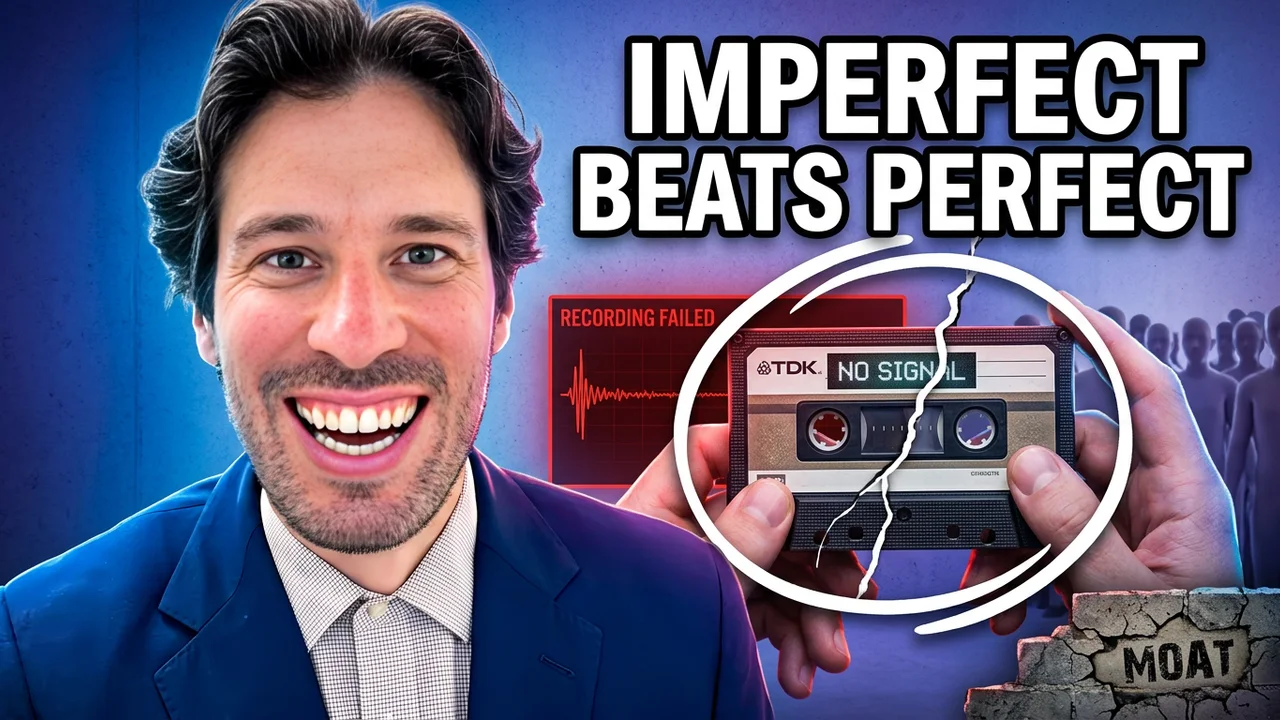
Live Stream Audio Failure: Why My 80‑Minute Stream Went Silent & What I Learned
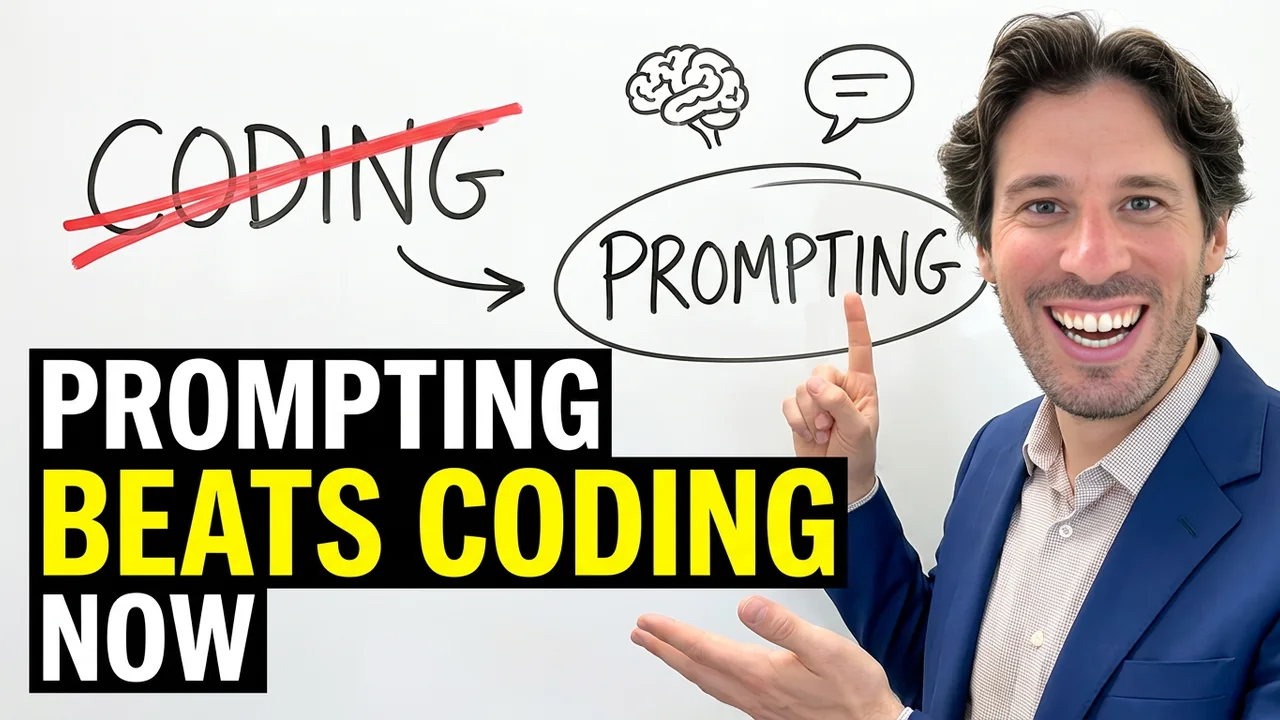
Why AI Prompting Skill Beats Coding Skill in the AI Era
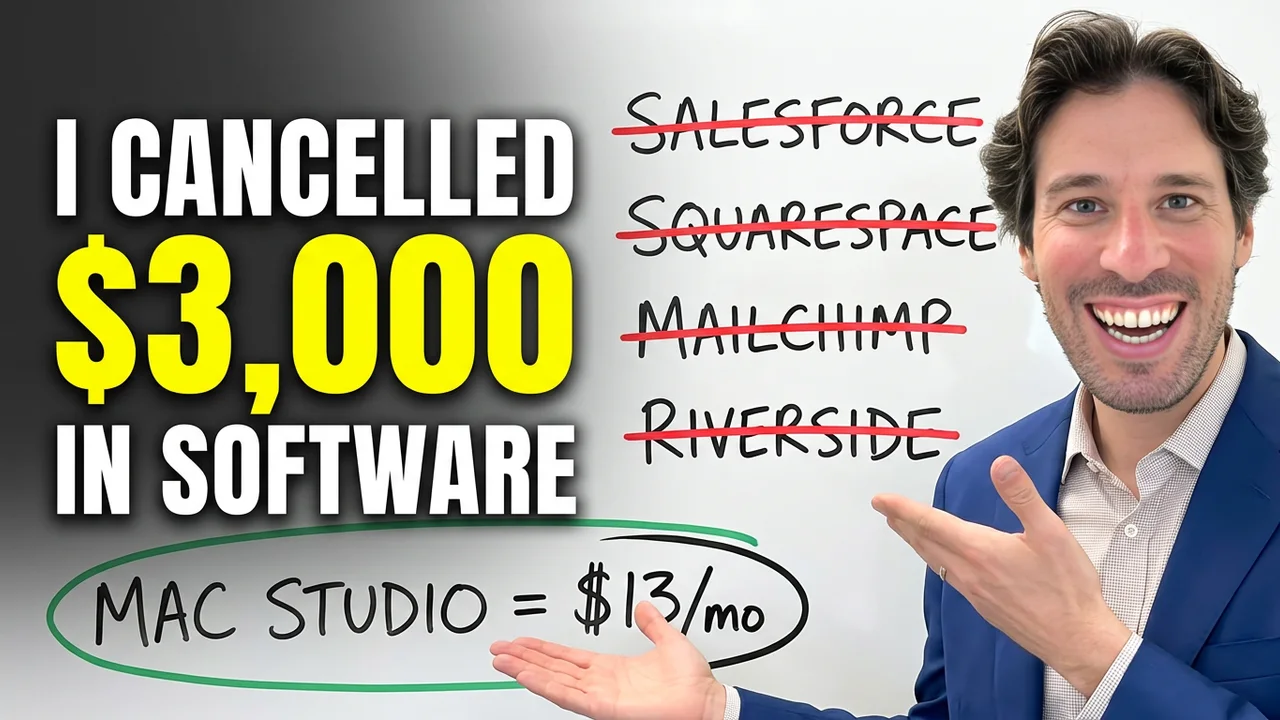
SaaS Cancellation: How I cut $1,800 on day 24 of live vibe coding
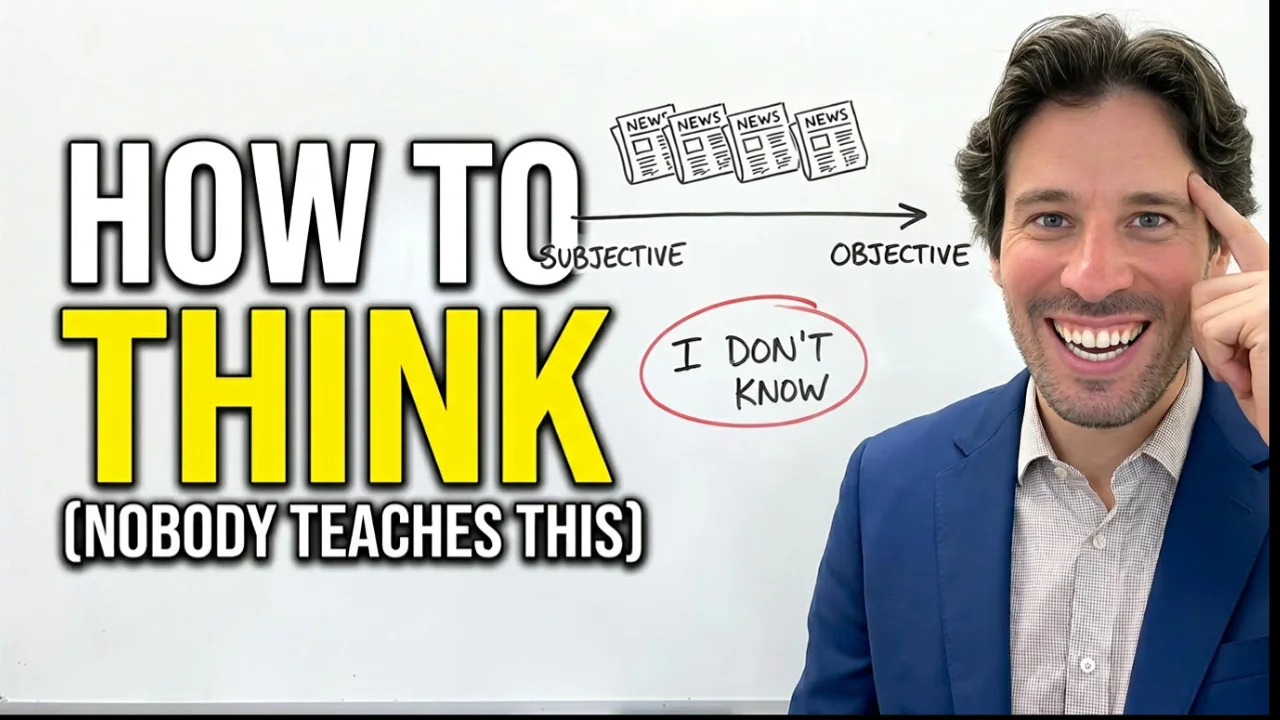
Objective Thinking: How I Learned to Be Objective After 10 Years of Unlearning
What does the comment section actually look like during live vibe coding?
It is not what I expected coming from 17 years of real estate, where professional norms govern most interactions. Online, a stranger can walk into your chat with a fake username and start slinging arrows at you with zero repercussions. I had that happen. Someone entered mid-session and just started going. I was genuinely confused.
The thing I had to internalize is that the comment and chat system is built for that behavior. The internet has its own norms, and I was new to them. My Northeast sarcasm — which lands perfectly in New York City — reads as aggression or rudeness to most of the world. I have had to consciously dial that back, or at minimum flag it clearly so international viewers understand the register.
The chat will also test whether you actually know what you are doing in business. They will ask what you are building, what your MRR is, what your product is. That is not hostility — that is a basic accountability check. You need a real answer.
Should you prioritize camera quality or audio quality when starting out?
Audio, without question. I know creators with hundreds of thousands of subscribers who film on a phone in front of a messy background. Their sound is clean, their content is strong, and their audiences stay. The camera and video quality are secondary.
If you are starting out and you have one investment to make, it is a microphone. Turn on your phone, get on camera, and start creating — but make sure the audio is clear. That is the baseline.
For reference, YouTube's live streaming setup documentation covers the technical requirements, but the human element — showing up consistently with good audio — is what actually builds an audience over time.
How does the "nothing is a big deal" mantra hold up under real pressure?
It got tested hard on Day 26. Someone who had been active and engaged in my community did something that broke my trust. I am not going to detail it, but it was the kind of thing that, in a real-world professional context, would have rattled me for days.
The mantra I landed on — nothing is a big deal — is not about dismissing problems. It is about refusing to let a single incident derail the larger project. Matt Miller went through a DDoS attack while streaming. He set up Cloudflare live on camera, then turned the whole incident into a piece of content the next day. That is the model: absorb the hit, keep building, make the problem part of the story.
The internet is not the real world in the sense that trust operates differently here. I am a trusting person by nature. That is a liability online if I do not pair it with clear expectations about what the internet actually is.
What kind of community is Charles building, and who is it for?
I am not building a product in the traditional SaaS sense. I am building a community of like-minded people — builders, designers, data architects, back-end developers, and yes, a few good-faith hackers who stress-tested my security until I had to upgrade it. The community spans expertise levels and domains.
What holds it together is a shared interest in making sense of AI — not the fear-driven narrative about data centers and enterprise models, but the practical reality that if you own a Mac Studio and run your own server, you can build whatever you want on your own data. I connect dots between world events and what they mean for people who are actually building things.
One regular in my chat is a construction worker. He builds physical things every single day. He shows up because creativity and creation are the common thread, not the specific domain.
Why does Charles believe creators will define the next economic era?
The 20th century, as documented in the Adam Curtis documentary Century of Self, was organized around consumption — more, better, newer, bigger. The logic was: acquire. The next era, as I see it, is organized around creation. Not content-farming or AI slop generation, but genuine creative output: design, construction, writing, building, making.
The people who will be economically durable are the ones who make things — not the ones who consume AI output passively and do whatever they are told. A creator is someone who designs an interface, builds a bench, writes something real, or codes something that did not exist before. That is the category I want to be in, and it is the category I want my community to belong to.
What questions do builders ask about live vibe coding?
What equipment do I actually need to start live vibe coding? A microphone is the single most important investment. Camera quality is secondary — creators with hundreds of thousands of subscribers film on phones with messy backgrounds and succeed because their audio is clean and their content is strong. Start with what you have, but prioritize sound. YouTube's algorithm responds to watch time, and bad audio kills watch time faster than anything else.
How do I handle hostile comments during a live session? Understand that the comment and chat system is built for uninhibited behavior. People behind fake usernames say things they would never say in person. That is not personal — it is structural. The practical response is to not engage the hostility directly on stream. Acknowledge it briefly if you must, then redirect your energy to the people who are there in good faith.
Does YouTube reward consistent live streaming even when sessions perform poorly? By Charles's account, yes — but not in a predictable way. A session he rated as a failure was distributed to 700 viewers by YouTube. The algorithm appears to evaluate watch time and engagement signals independently of the creator's self-assessment. The implication is that showing up consistently matters more than any single session's perceived quality.
How do I maintain energy across a long live coding session? Charles uses a version of Tony Robbins's doorway reframe — a deliberate mental switch before going live. The bigger issue is pre-stream routine: doom-scrolling for 30 minutes before a session will degrade on-camera energy visibly. A consistent pre-stream routine that avoids mood-depressing inputs is more reliable than trying to manufacture energy once you are already live.
What should I say when viewers ask "what are you building?" Have a real answer. The chat will test whether you have a genuine business direction. Charles's answer is a community of AI-focused creators and builders — not a SaaS product with an MRR figure, but a defined purpose with a defined audience. Vague answers or deflection signal to the chat that you are not serious, and they will call it out.
0 Comments
Log in to comment
Not a member yet? Join the community
Pick a meme
KlipyHave a great take?
Drop your email — we'll send a magic link so you can post it. No password.
Not a member of the community? Join today.
Join the community →