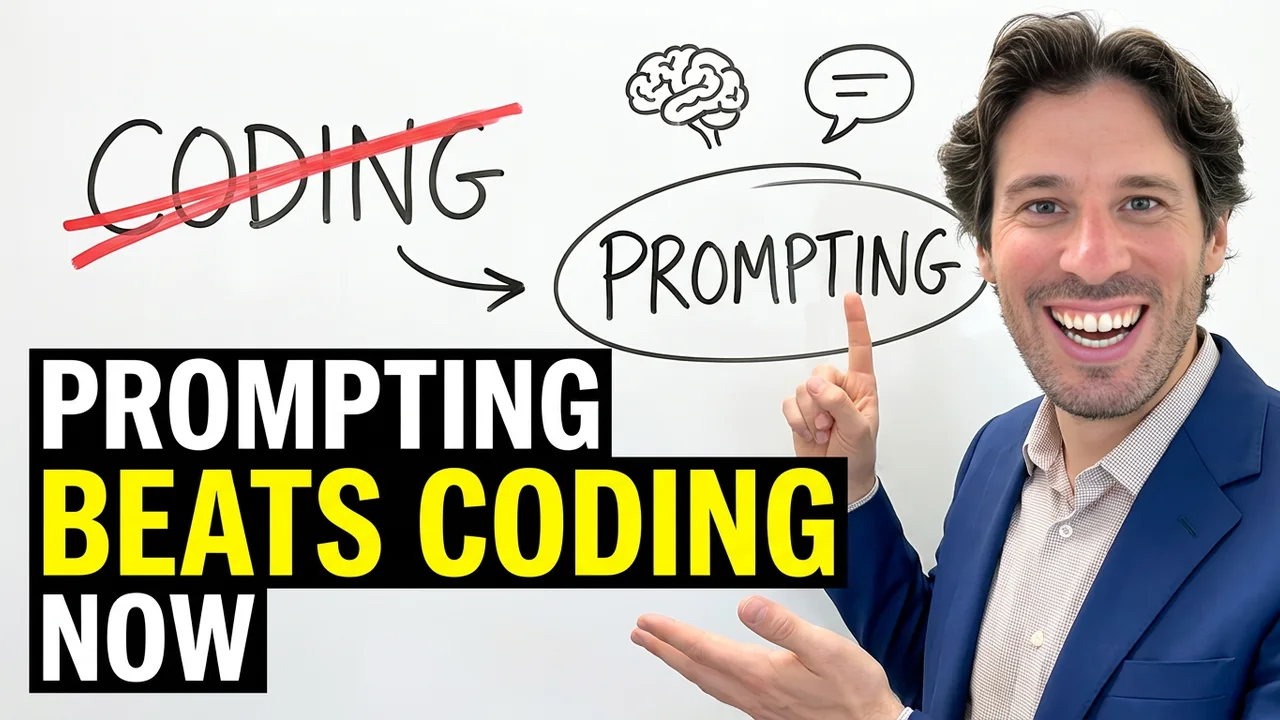
What does "whoever prompts better wins" actually mean?
Prompting is the new competitive moat — not syntax, not framework knowledge, not years of backend experience. On Day 307 of my live vibe-coding run, I keep coming back to one idea I've been turning over for about three weeks: the person who can describe what they want with precision will outbuild everyone who can only write code. That shift is already happening, and I've watched it in my own workflow every morning.
The analogy I keep reaching for is the interstate highway system. The car existed before the 1950s, but the highway network made it possible to go anywhere. AI is doing the same thing for ideas right now. Any app, any design, any feature — the infrastructure is there. The question is whether you can give it clear enough directions.
Why are soft skills becoming the new hard skills?
I was listening to the Moonshots podcast when this framing clicked. The episode made the point that soft skills are becoming the new hard skills — and I think that's exactly right when applied to prompting.
At [0:52] I said: "soft skills is the ability to explain your idea" — and that single sentence reframes what it means to be a good builder in 2025.
Steve Jobs is the clearest historical example. He didn't write the iOS kernel. What he did was articulate why the iPhone mattered — the pain points, the desires, the emotional need the device filled — with enough precision that teams could execute on it. That's the skill. When you're prompting Claude or Gemini to build a feature, you're doing the same thing. You're the Jobs. The model is the engineering org.
When I say "make it better" to an AI, nothing useful happens. Better-looking? Faster? More colorful? More responsive on mobile? "Make it better" is noise. But when I say "this is my target audience, this is the pain point, this is why the feature needs to exist, and here are the constraints" — that's a prompt that produces something real.
How does vague prompting actually fail in practice?
The failure mode is embarrassingly simple. I've hit it dozens of times. You type something like "improve the design" and the model changes three things you didn't want changed and ignores the one thing you did. The output isn't wrong because the model is bad — it's wrong because the instruction was empty.
Good prompting starts before you open the chat window. I now run a brainstorming session with Claude before I write a single feature prompt. I ask it to help me define what the feature actually is, who it's for, and what problem it solves. That session becomes the spec. The spec becomes the prompt. The prompt produces something close to what I had in my head.
You might also like
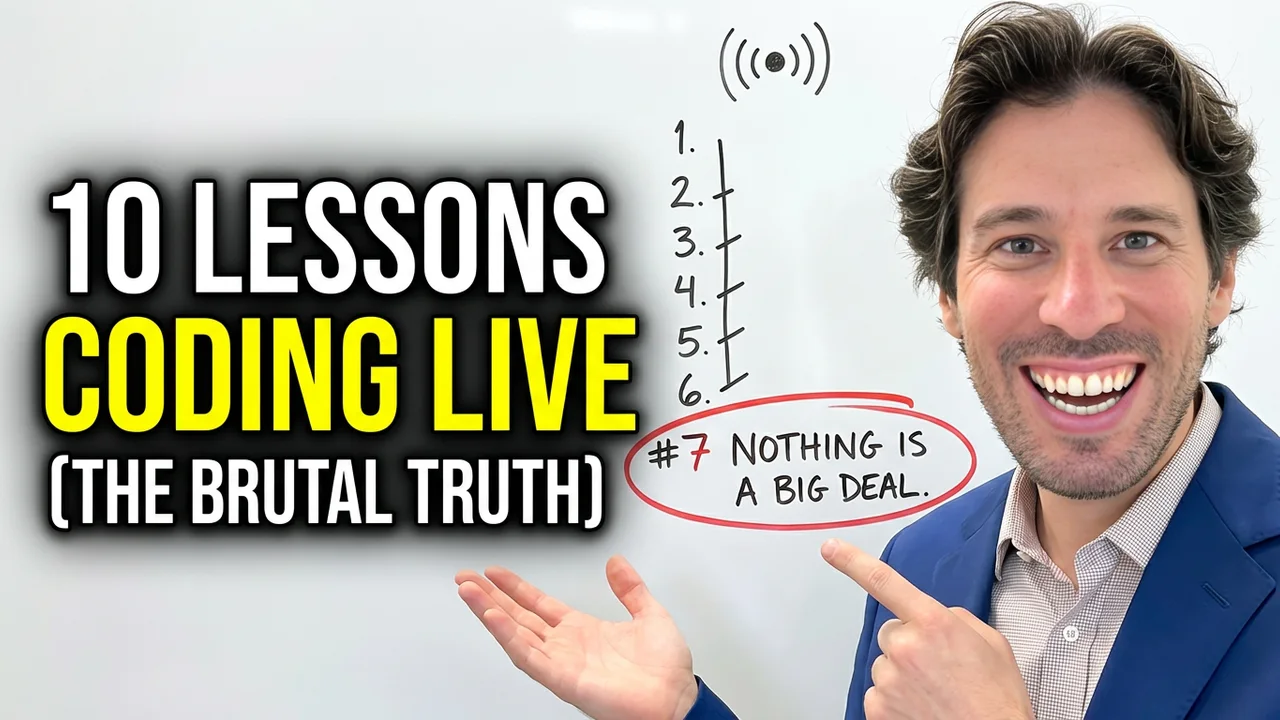
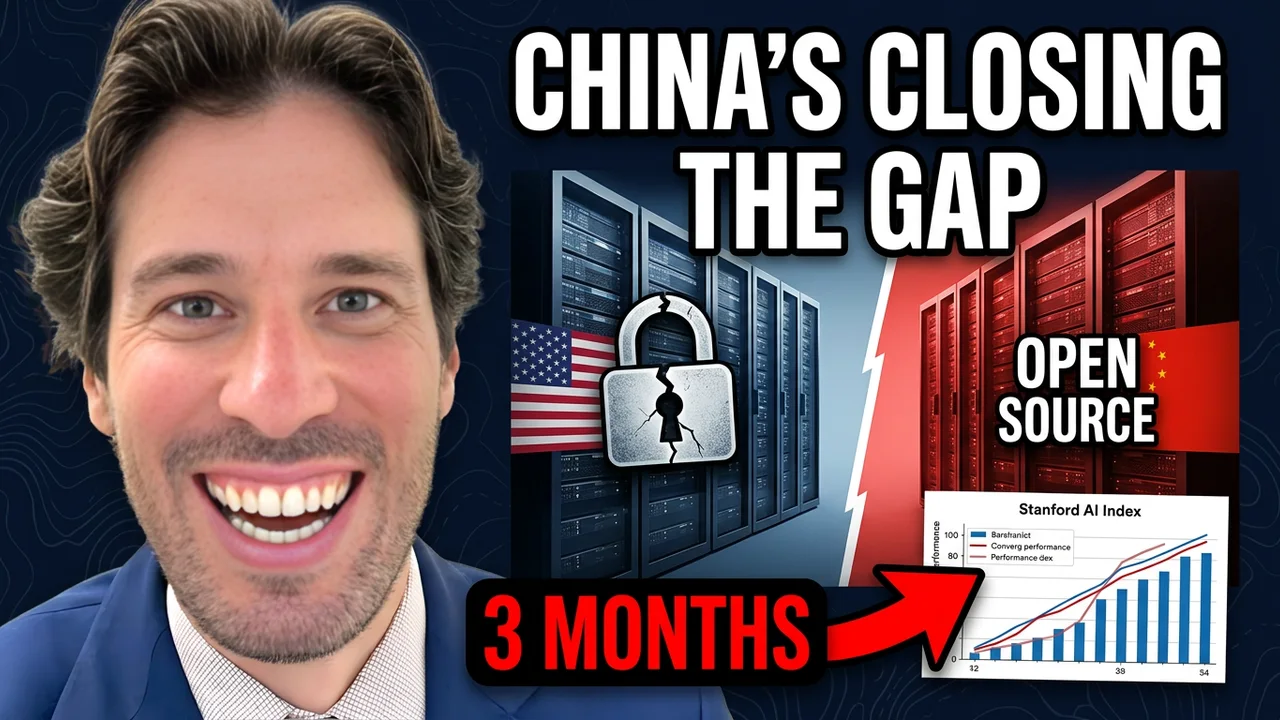
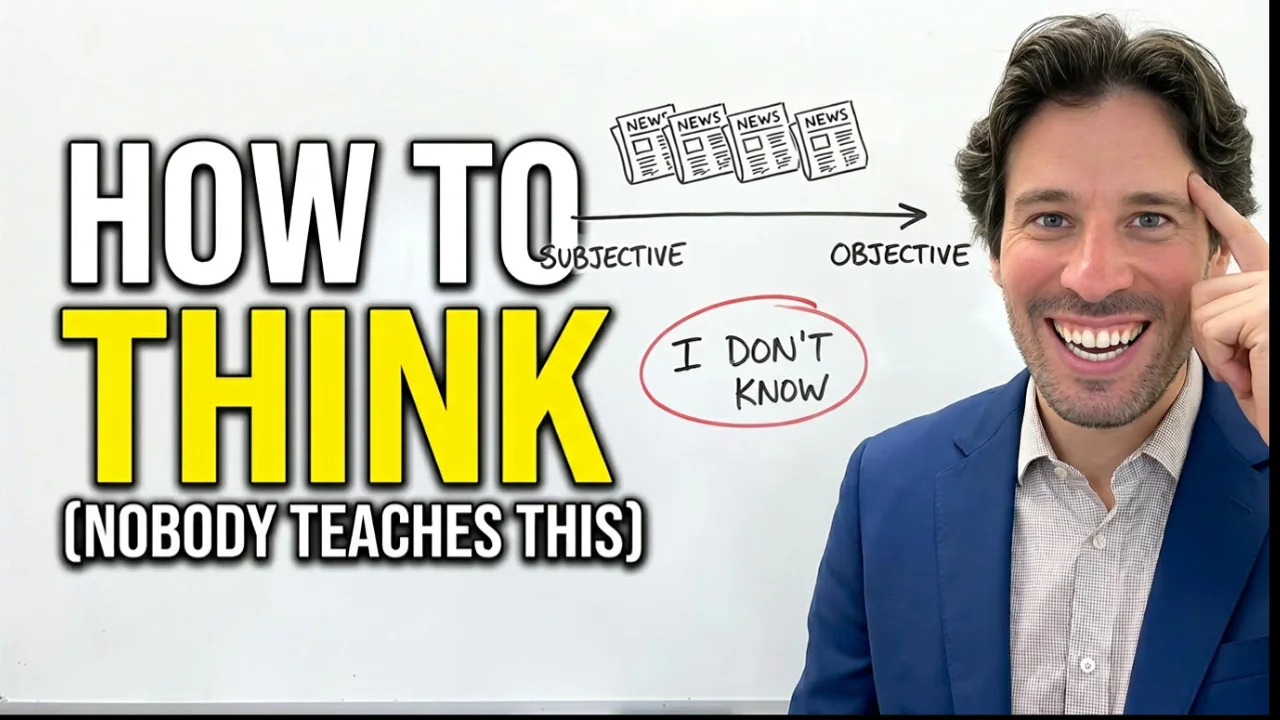
This morning I asked Claude: "In the eyes of the members in my community, what do you think they want right now? Give me the five top priorities." It came back with 5 ideas. One of them — a to-do list for people vibe-coding alongside me, with optional coaching tracks — was genuinely good. I wouldn't have surfaced that without the prompt.
What did Google and Anthropic reveal about AI writing code?
The numbers here are striking, even if I hold them with some skepticism. Charles cited a figure that 75% of Google's code is now written by Gemini or AI — and I'll be honest, I said on stream that I can't believe it's even 75%. That's how fast this is moving. Google's own Gemini model capabilities page gives a sense of what the underlying system can do.
On the Anthropic side, the head of Claude Code — I believe his name is Boris — reportedly hasn't written a line of code himself in a year. Maybe he reviews it. But he's not authoring it. You can read more about how Claude Code official documentation describes the tool's intended workflow. The pattern is consistent: the human role is shifting from writing to directing.
If that's where the leaders of these tools are operating, the question isn't whether coding as a primary skill gets commoditized. It already is. The question is what you're building on top of that foundation.
How did I use prompting to fix a live security vulnerability?
This one was unplanned and a little alarming. I noticed a bug today where someone was able to tap into something they shouldn't have been able to access in the members' community. Instead of patching it manually, I used it as a prompting exercise.
I built a blueprint of every visitor pattern coming into the community — essentially a map of where vulnerabilities show up based on bugs users encounter. Then I prompted Claude to do a full security analysis against that blueprint. The result was a complete security suite now sitting behind the members' community. All of it came from prompting, not from me writing security logic by hand.
Cloudflare security fundamentals documentation was part of my research frame here — I asked Claude how Cloudflare approaches its own security so I could apply the same logic to my build. That's the prompting move: find the best example in the world of what you're trying to do, use it as a reference, and ask the model to apply that standard to your context.
What is AEO and why does it change how I structure articles?
AEO (Answer Engine Optimization) is the practice of structuring content so that AI systems — Perplexity, ChatGPT Search, Google AI Overviews — can extract and surface your answers directly, not just rank your page.
The structural shift is real. AI scrapers don't read an article the way a human does. They read the top. So the old hook-paragraph model — where you tease the reader into reading further — is largely dead for AI retrieval. What works now is putting all the key takeaways at the top, with internal links down to each section for the model to follow if it needs more depth. This video will become an article built exactly that way.
I also built a tool to review every article I publish against SEO and AEO standards — essentially a Claude-powered version of what SEMrush does when it checks whether a page meets Google's crawl standards. I prompted it myself. The proofreader now rejects articles that don't meet the structural bar before they go out.
Why does owning your own stack matter more now than it did before?
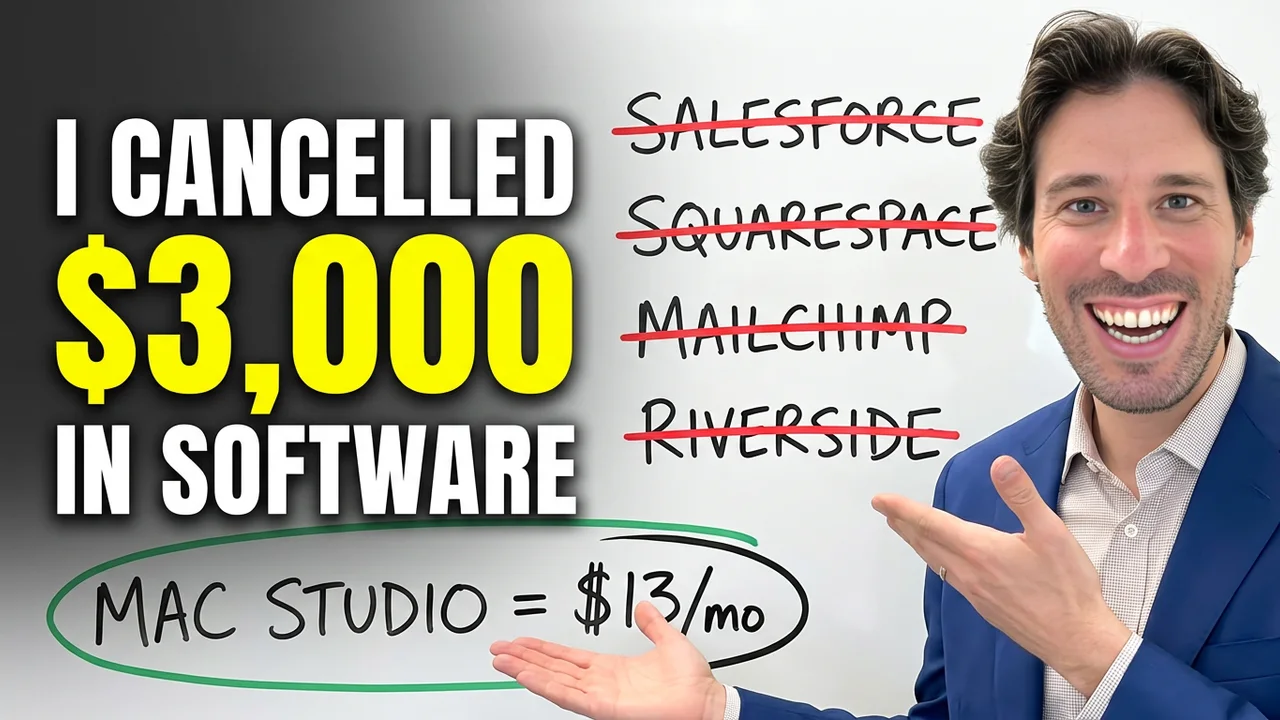
The old content business looked like this: Squarespace for the website, MailChimp for the newsletter, Cloudflare protecting both, everything talking through API calls you didn't fully control. You were renting infrastructure from three different companies and hoping they stayed compatible.
With good prompting, I can build the website myself. I use Resend API keys for email — I own the inbox. I still use Cloudflare for protection, but the core product is mine. The reason this is newly possible isn't that the technology changed dramatically. It's that I can now describe what I want with enough precision that Claude builds it. The entrepreneur has always wanted to own the product end to end. Prompting is finally what makes that realistic.
Before AI, bringing a product to life required money, backers, a team, and time. It was infinitely harder, infinitely longer, infinitely more expensive. Now the constraint is imagination and the quality of your prompts.
What do builders most often ask about prompting with AI?
What's the single biggest prompting mistake beginners make? Being too vague. Phrases like "make it better" or "improve the design" give the model nothing to work with. The fix is specificity: name the audience, name the constraint, name the outcome you want. A prompt that includes "my target audience is X, the pain point is Y, the constraint is Z" produces usable output. A prompt that doesn't include those things produces noise.
How do I know what features to build next when I'm stuck? I ask Claude directly. This morning I typed: "In the eyes of my community members, what are the top 5 priorities right now?" The model reviewed the context I gave it and returned 5 ranked ideas. One of them — a progress-tracking to-do list for people following along with my vibe-coding sessions — was genuinely good and hadn't occurred to me. Use the model as a thinking partner before you use it as a builder.
Does prompting skill replace the need to understand the technology at all? Not entirely. You still need enough context to recognize when the output is wrong, to spot a security gap, or to know that "mobile ready" and "desktop ready" are different problems. But the bar for technical depth has dropped significantly. Visualization, idea articulation, and understanding your user matter more now than knowing the syntax.
What is the difference between SEO and AEO in practice? SEO (Search Engine Optimization) targets Google's crawl ranking signals — page speed, backlinks, keyword density. AEO (Answer Engine Optimization) targets AI retrieval systems like Perplexity and ChatGPT Search, which extract structured answers rather than ranking pages. In practice, AEO means putting takeaways first, using clear H2 question headings, and linking internally so AI scrapers can follow the structure. Both matter, but AEO is the newer and faster-moving discipline.
How did Charles use Claude to handle a real security incident? After spotting a live vulnerability in the members' community, Charles built a visitor-pattern blueprint and used it as input for a Claude-driven security audit. The model analyzed the blueprint, identified exposure points, and helped build a full security suite — all through prompting, with no manual security code written. The reference frame was Cloudflare's own security approach, which Charles fed into the prompt as a benchmark.
0 Comments
Log in to comment
Not a member yet? Join the community
Pick a meme
KlipyHave a great take?
Drop your email — we'll send a magic link so you can post it. No password.
Not a member of the community? Join today.
Join the community →