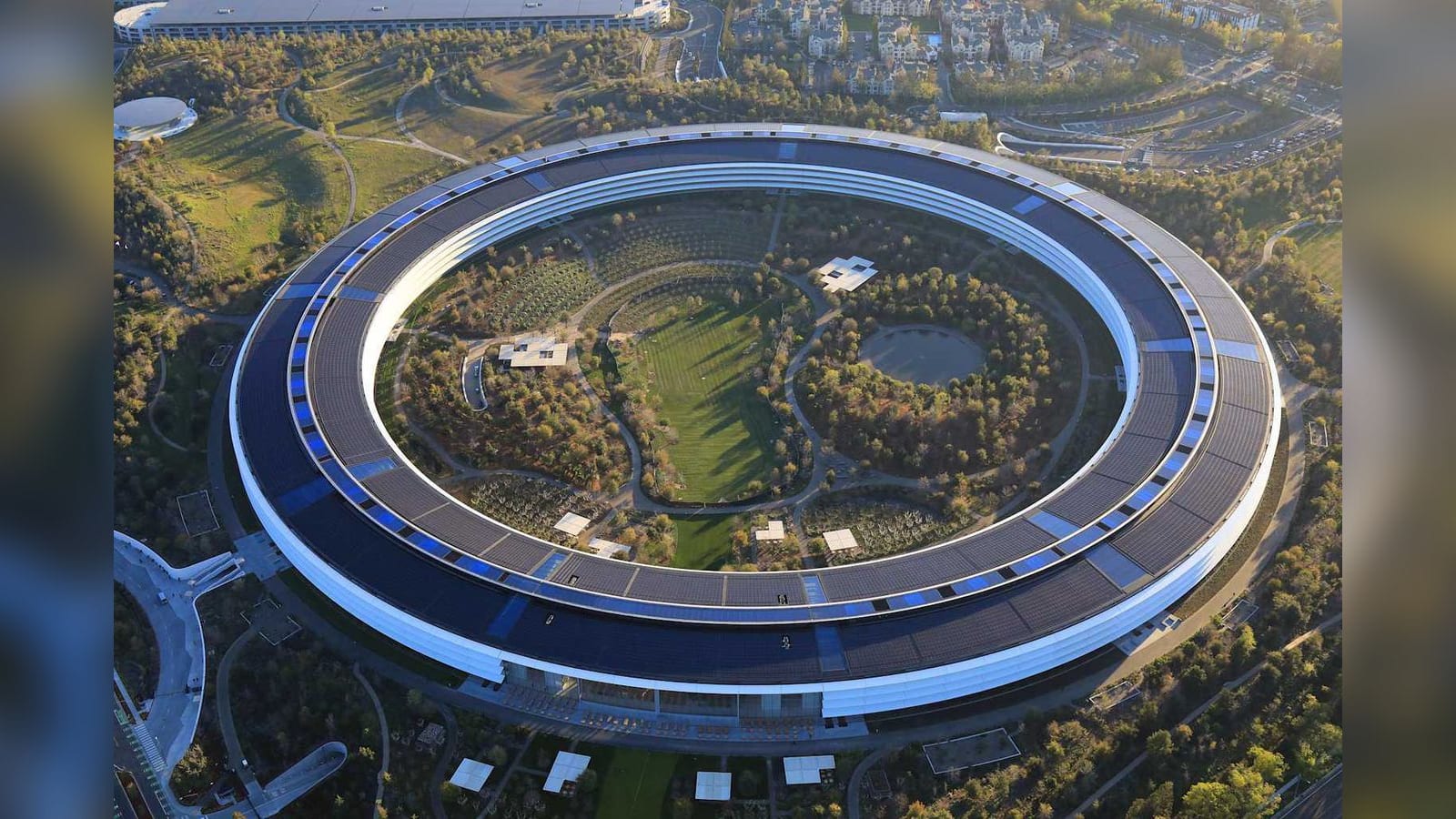
Apple Raises Foldable iPhone Target to 10 Million Units
Apple told suppliers to prepare for about 10 million foldable iPhones in 2026. That is up from an earlier forecast of 7 to 8 million units, according to Nikkei Asia. The company has already locked in components for roughly 80 million smartphones across new models planned for the second half of 2026.
Apple's total smartphone output for 2026 is expected to exceed 220 million units.
The foldable iPhone will launch alongside the iPhone 18 Pro and iPhone 18 Pro Max in fall 2026. The standard iPhone 18 and iPhone 18e are set for spring 2027. The iPhone Fold is expected to cost upwards of $2,000, per MacRumors's iPhone 18 roundup.
Full iPhone 18 Launch Timeline
| Window | Models |
|---|---|
| Fall 2026 | iPhone 18 Pro, Pro Max, iPhone Fold |
| Spring 2027 | iPhone 18, iPhone 18e, possibly iPhone Air 2 |
Why Apple Is Talking to Pentagon-Flagged Chipmakers
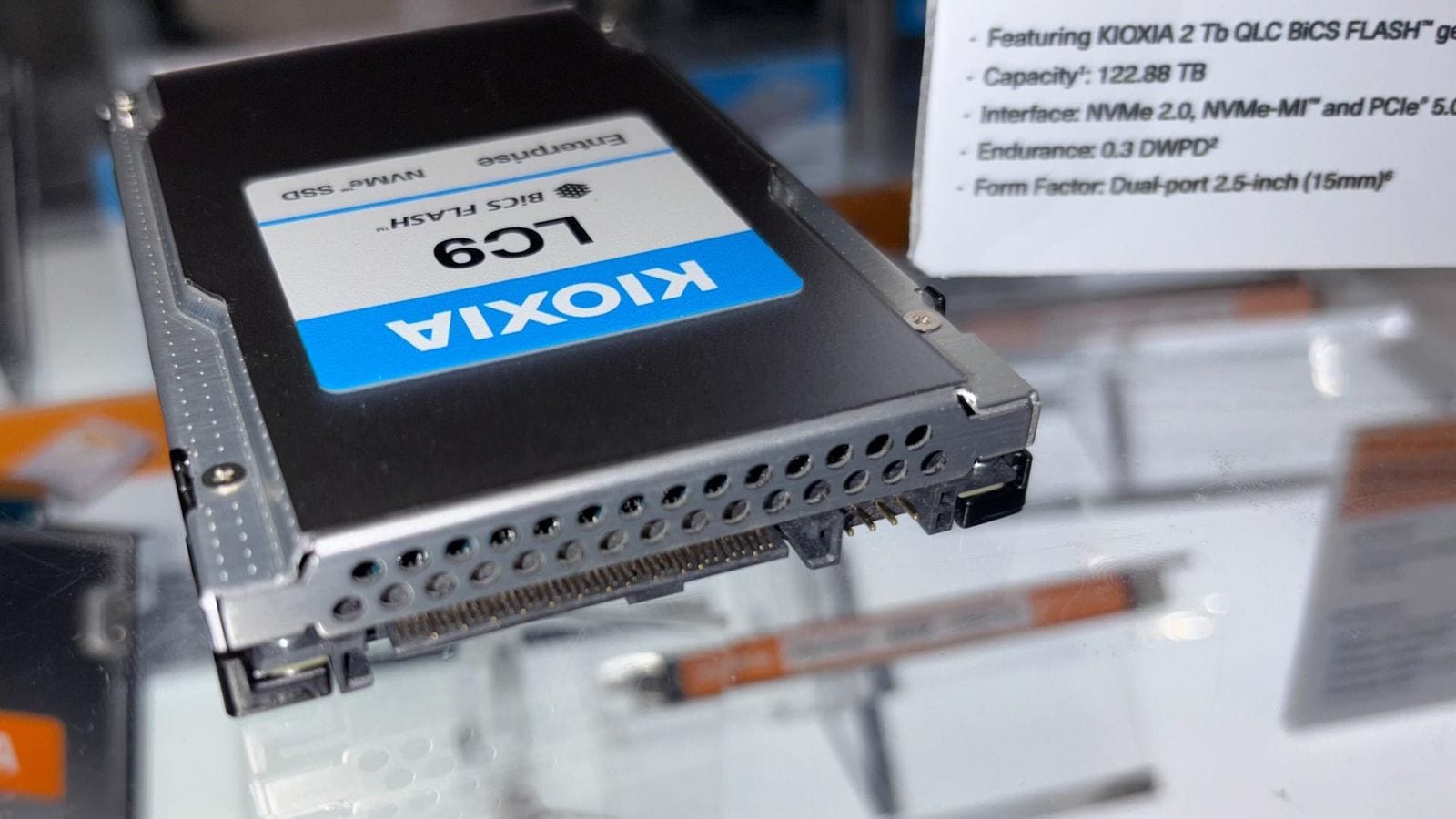
Apple is in active talks to buy DRAM from ChangXin Memory Technologies (CXMT) and NAND flash from Yangtze Memory Technologies Co. (YMTC). Both firms appear on the U.S. Defense Department's Section 1260H list. That list flags companies alleged to support China's People's Liberation Army.
The chips would go only into devices sold inside China. No deal is final.
Here is where the legal lines sit:
You might also like


- The Section 1260H designation does not legally bar private commercial purchases.
- YMTC has been on the Commerce Department's Entity List since 2022. That bars it from receiving U.S. technology without special licenses.
- CXMT is not currently on the Entity List.
Tim Cook has made direct appeals to Trump administration officials, including Treasury Secretary Scott Bessent. He is asking for assurance that CXMT will not be added to the Entity List. Apple tried a similar move with YMTC in 2022 for China-market iPhones. It dropped the plan after congressional backlash. Now it is trying again, with a harder economic case behind it.
We're watching this closely — some officials have objected, while others appear open to a geographically limited deal. The full picture is covered in our reporting on Apple's CXMT lobbying.
What Is Driving the Memory Shortage
The shortage traces back to one decision: Samsung, SK Hynix, and Micron all shifted production toward high-bandwidth memory (HBM) for AI accelerators. HBM earns chipmakers 3–5 times more margin per wafer than standard DRAM. Hyperscalers are paying whatever it takes. Consumer electronics buyers get what is left.
Counterpoint Research puts the result plainly: memory and storage prices have roughly quadrupled over three quarters. New conventional DRAM capacity takes 2–3 years to come online. Analysts at both Micron and Intel say meaningful consumer relief is unlikely before 2027–2028.
Adding CXMT and YMTC would expand Apple's memory supplier base from three to five. That gives Apple some pricing leverage. It does not fix the underlying supply math. This is the same AI memory chip shortage hitting hardware makers across the board.
Apple's Price Hikes and Market Reaction
On June 25, Apple raised prices across its Mac and iPad lines. The changes:
| Product | Price Increase |
|---|---|
| MacBook Air | +$200 (from $1,099 to $1,299) |
| MacBook Pro | +$300 to +$400 |
| iPad Air | +$150 |
| iPhone, Apple Watch, AirPods | No change yet |
Apple's statement: "The rapid expansion of AI data centers has created an extraordinary surge in demand for memory and storage." CEO Tim Cook told The Wall Street Journal that "price increases are unavoidable" and that Apple is "doing our best to mitigate the huge increases that are being passed to us."
Apple's stock fell 6.12% on June 25 — its worst single session since April 2025. That erased roughly $265 billion in market cap.
Microsoft raised Xbox prices by $100 to $150 the same week. The company said memory costs have "increased by more than 2.5x," with another doubling expected by fall 2027.
How Apple Compares to Chinese Rivals
Apple's scale gives it a real edge. Xiaomi, Oppo, and Vivo have each cut their annual production targets to below 100 million units. A supply chain executive quoted by Nikkei Asia said: "Compared with Apple's bargaining power, the Chinese smartphone makers are in a weak spot in terms of getting more supplies of memory chips."
Apple's position still matters for the broader chip race. The same forces shaping its supplier choices are playing out in AI packaging battles and in how companies like Amazon are building custom AI chips to reduce their own exposure to the open market.
The next confirmed milestone is the fall 2026 launch window for the iPhone 18 Pro, iPhone 18 Pro Max, and iPhone Fold. Sources: CNBC, TFTC, MacRumors.

0 Comments
Log in to comment
Not a member yet? Join the community
Pick a meme
KlipyHave a great take?
Drop your email — we'll send a magic link so you can post it. No password.
Not a member of the community? Join today.
Join the community →