What Did Boston Dynamics Change in the New Atlas?
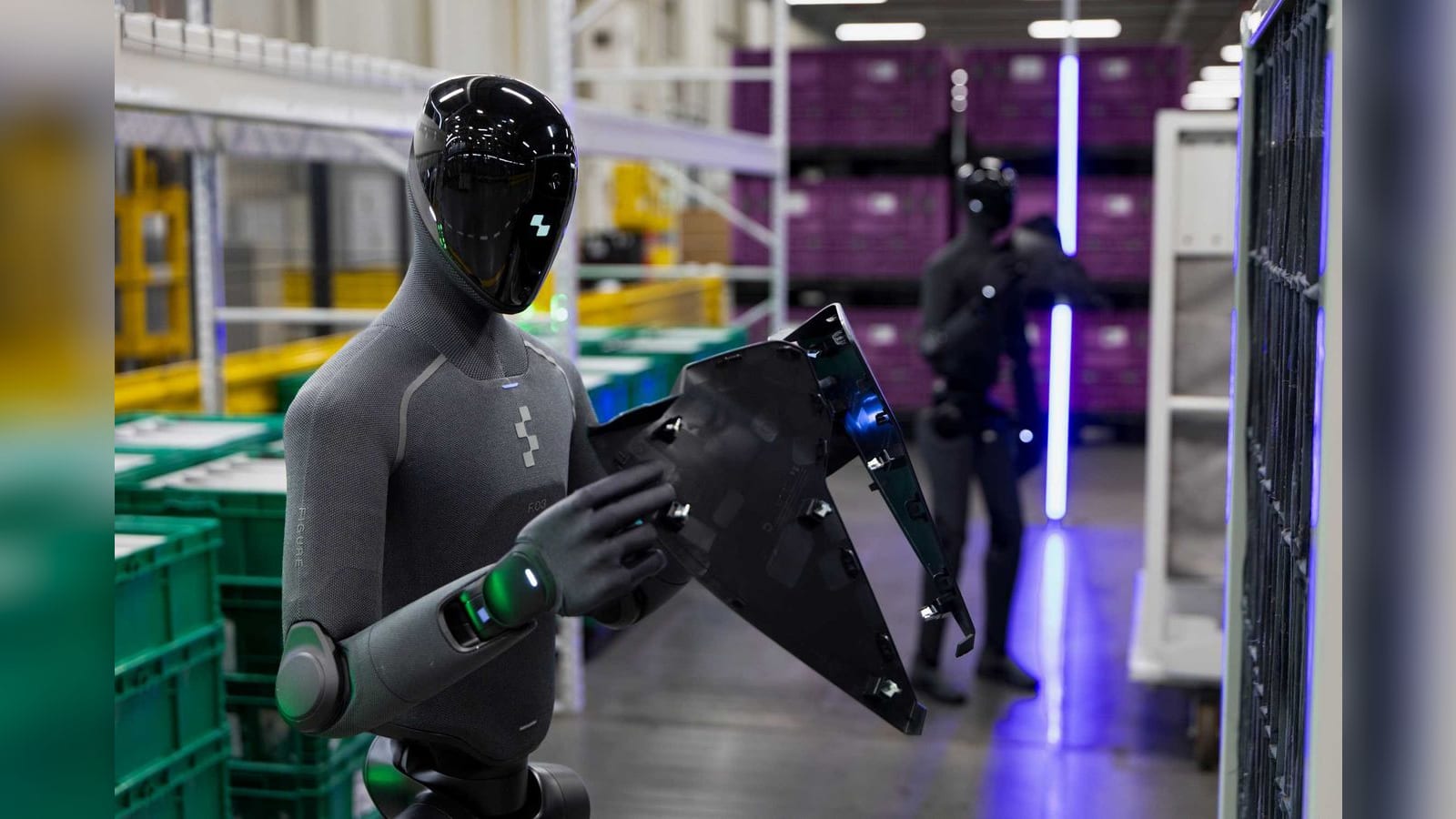
Boston Dynamics' new Atlas has "almost an order of magnitude" fewer parts than the previous generation, according to Alberto Rodriguez, the company's director of robot behavior. Rodriguez made the statement in a conversation with journalist John Koetsier. The reduction covers both total parts and unique parts, making the manufacturing process faster and simpler.
Rodriguez was direct about what that means: "higher reliability and lower cost." He added that the team has already demonstrated the same — or higher — performance from this simpler design, which he says positions Boston Dynamics well for the next step of mass manufacturing.
Is the Hardware or the AI the Bigger Problem Now?
Rodriguez says AI is the primary bottleneck. "The AI capabilities and the control algorithms are still one of the main bottlenecks in getting value out of the hardware," he told Koetsier. He believes Atlas is capable of more than the team has been able to extract from it so far.
This is a notable shift. For years, hardware limitations defined what humanoid robots could do. Rodriguez's position is that the physical platform is now ahead of the software needed to fully use it.
How Does Boston Dynamics Train Atlas?
Rodriguez describes a two-layer AI approach:
- Physical intelligence — handles balance, agility, and physical skill. This includes jumping, grabbing objects, and moving with speed. Rodriguez cites Boston Dynamics' history in parkour, dancing, gymnastics, and soccer as proof of strength in this area.
- Reasoning intelligence — handles task planning and adaptation. This layer understands sequences ("first step one, then step two"), object properties ("this looks heavy"), and how to handle new situations without months of reprogramming.
Rodriguez says Boston Dynamics has been investing heavily in the reasoning layer for the past two years. The goal is a robot that can adapt to a changed factory workflow — or handle a new exception — through experience or demonstration, not through months of manual reprogramming.
You might also like



Here's what we know so far: the physical intelligence layer is where Boston Dynamics believes it has a clear competitive edge, while the reasoning layer is the active area of investment.
Why Does Simplicity Matter for Manufacturing?
Rodriguez's emphasis on simplicity is deliberate. Fewer parts means fewer failure points. A faster manufacturing process means lower cost per unit. Both matter if Boston Dynamics wants to scale beyond small fleets.
The findskill.ai breakdown of Atlas specs puts the current price at around $420,000 per unit, with Hyundai — which owns Boston Dynamics — planning a factory capable of producing 30,000 Atlas units per year by 2028. At that scale, analysts cited in that report expect per-unit cost to drop significantly by 2030.
| Timeline | Price per Unit | Production Volume |
|---|---|---|
| 2026 | ~$420,000 | Limited fleet, fully committed |
| 2028 | ~$200,000 (est.) | 30,000/year factory online |
| 2030 | ~$130,000 (target) | Mass production |
Rodriguez's hardware simplification work feeds directly into that cost trajectory.
What Tasks Is Atlas Doing in Factories Today?
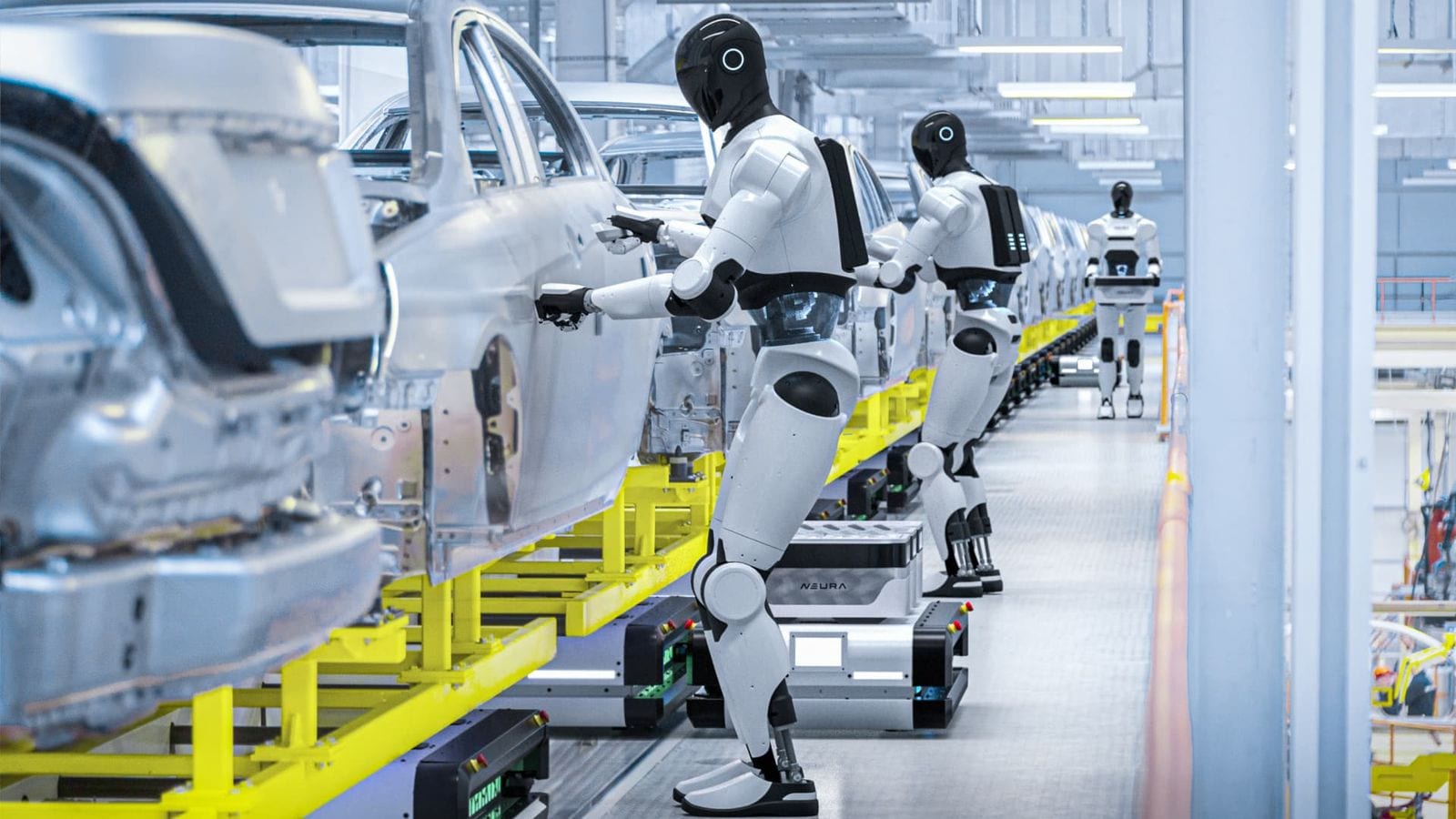
Atlas is being deployed in manufacturing environments. Rodriguez describes the challenge of factory integration: a robot needs to handle not just the original task, but also workflow changes and new exceptions that arise weeks or months later.
The reasoning intelligence layer is designed to address exactly that. Instead of requiring engineers to spend months validating new programming every time a workflow changes, the goal is for Atlas to learn through demonstration — the way a new employee would learn from a coworker.
This connects to broader trends in humanoid robot warehouse deployment and the push toward robots that can handle real-world variability, not just controlled demos.
Does Atlas Use Foundation Models?
Rodriguez confirmed Boston Dynamics is investing in foundation models for robot training. He frames this as part of the reasoning intelligence layer — the component that gives the robot general task understanding rather than hard-coded instructions.
This is consistent with what other humanoid builders are doing. For context on how competitors are approaching similar challenges, China's humanoid robot deployments and AgiBot's production-line results show the range of approaches being tested at scale right now.
Why Does Boston Dynamics Still Use Legs Instead of Wheels?
Rodriguez addressed this directly. Boston Dynamics believes legs outperform wheels in many real-world environments. The argument is practical: factories, warehouses, and other industrial spaces are built for humans, and legs navigate those spaces better than wheeled platforms.
This is also why the physical intelligence layer — balance, agility, terrain adaptation — remains a core investment, even as the team builds out reasoning capabilities.
Battery performance is a related constraint. LG Energy Solution, which supplies cylindrical batteries to more than six major global robotics companies, notes that humanoid robots require high-energy-density NCM batteries capable of handling highly dynamic movements like jumping and running — exactly the kind of motion Atlas performs.
What Comes Next for Atlas Deployments?
The 2026 Atlas units are already fully committed. According to the findskill.ai report, fleets are heading to Hyundai's Robotics Metaplant Application Center in Georgia and to Google DeepMind. Additional customers won't receive units until early 2027.
Rodriguez's near-term focus is on closing the gap between what Atlas's hardware can do and what the AI can currently direct it to do — a gap he describes as the defining challenge for the whole humanoid robotics field right now.

0 Comments
Log in to comment
Not a member yet? Join the community
Pick a meme
KlipyHave a great take?
Drop your email — we'll send a magic link so you can post it. No password.
Not a member of the community? Join today.
Join the community →