What did Quantum Systems just raise?
Quantum Systems, a German autonomous defense startup, raised $1.2 billion in a Series D funding round on July 2, 2026. The round values the company at $8 billion on a post-money basis. It was co-led by Blackstone, Noteus, Airbus, and Advent.
Additional investors included BOND, Fidelity Management & Research Company, Wellington Management, A.P. Moller Holding, and Elephant Lake Ventures. Longtime backers Balderton Capital and HV Capital also participated, according to Tectonic Defense.
Who leads Quantum Systems?
Quantum Systems was founded in 2015 by a team led by Florian Seibel. The company originally set out to build drones for ISR — intelligence, surveillance, and reconnaissance. Seibel now serves as co-CEO alongside Sven Kruck, who joined in 2022.
"We are building a next generation neo-prime that has the potential to disrupt defence as we know it today," Seibel said in a statement. He added that the company is profitable and now holds more than $1.2 billion in dry powder to execute its plans.
How will Quantum Systems use the $1.2 billion?
The company says the capital will go toward expanding production capacity, strengthening supply chain resilience, and scaling delivery across allied markets. It will also fund continued investment in software and autonomous defense systems AI capabilities.
You might also like

CFO Jonas Jarosch said in a statement: "This financing unlocks our next phase of growth as we industrialise our multi-domain platform, scale production across allied markets and continue investing in the technology infrastructure that defines our long-term competitive position."
A key strategic goal is accelerating the transition to MOSAIC UXS — Quantum's command-and-control platform for autonomous systems — and deepening its partnership with Airbus, announced earlier in June 2026.
What is Quantum Systems' product lineup?
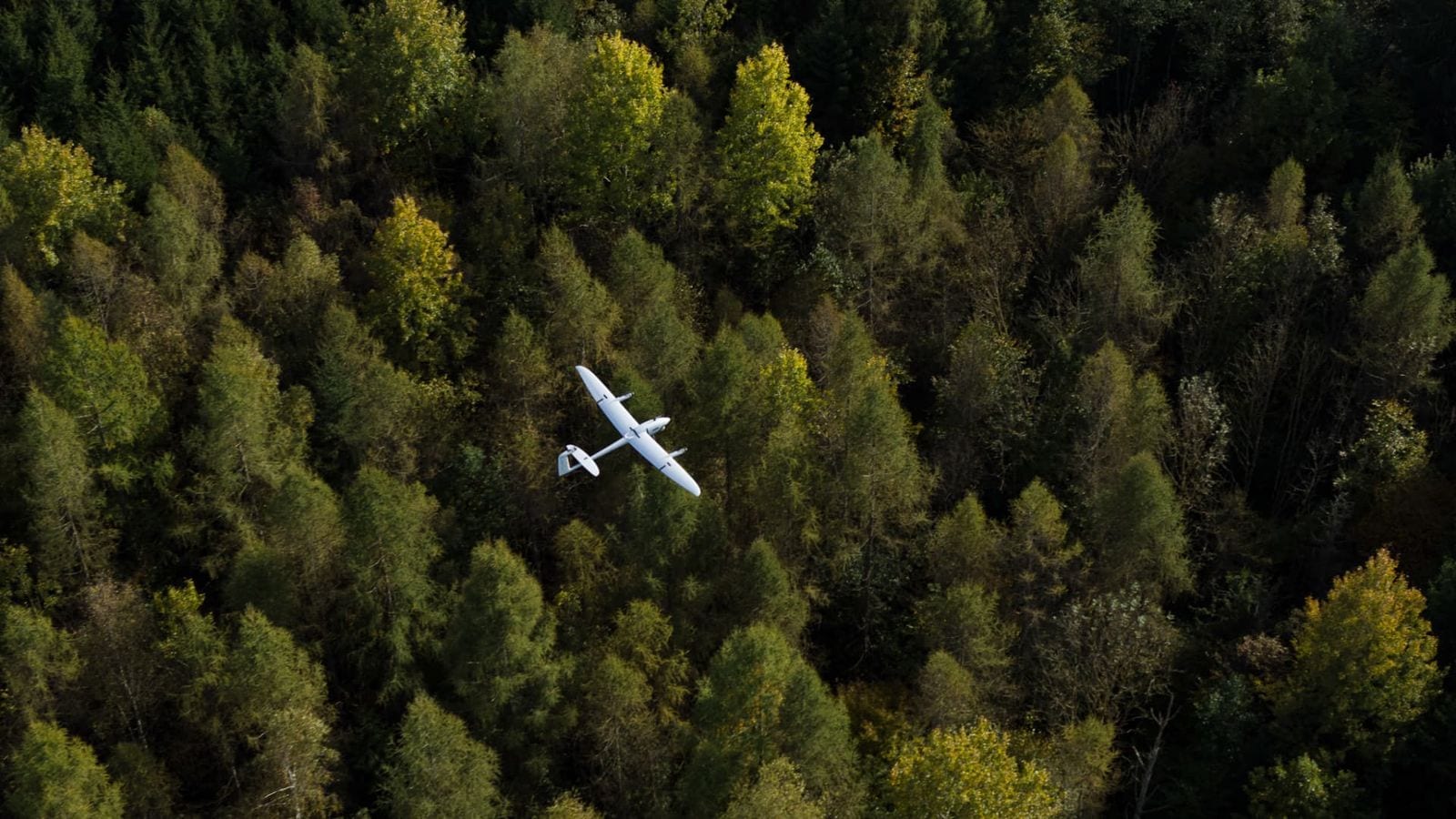
Quantum Systems builds unmanned systems for land, air, and sea. Here's what the company currently fields:
- ISR drones: Vector, Trinity, Twister, and Reliant
- Interceptors: A partnership with Ukrainian company WIY Drones, plus its own Jager model
- Mega-drone: PULSE P19, a large multirole flight system announced weeks before the funding round
- Ground autonomy: Acquired autonomous trucking company FERNRIDE; partnerships with Ukrainian UGV producer Tencore and Daimler
The company has moved well beyond its ISR origins into a multi-domain autonomous platform. As we read the sources, the breadth of that lineup is a key reason investors at this scale came to the table.
Could Quantum Systems merge with Stark?
The Financial Times reported that Quantum Systems may use part of the new capital to merge with Stark, its attack drone sister company. Stark raised €500 million (approximately $570 million) the week before this round closed.
Stark was founded by Seibel in 2024 as a separate entity, partly because some of Quantum's original investors were not comfortable funding lethal weapons development. Seibel told the FT that the new capital allowed investors who were not comfortable with the company's new direction to exit. If the merger proceeds, Stark would bring loitering munitions — Virtus and Cascade — along with the Gambit quadcopter and Vanta USV.
How does this fit the broader defense tech funding surge?
Defense tech companies have already raised a record $17.4 billion in 2026, according to CNBC citing Dealroom data. That figure far exceeds the $11.2 billion the sector raised in all of 2025.
| Metric | Figure |
|---|---|
| Defense tech raised in 2025 | $11.2 billion |
| Defense tech raised in 2026 (to date) | $17.4 billion |
| Quantum Systems Series D | $1.2 billion |
| Quantum Systems post-money valuation | $8 billion |
| Stark's recent raise | €500 million (~$570 million) |
Quantum's own fundraising has accelerated sharply. Last year it closed a €160 million Series C and a €180 million Series C extension, both led by Balderton Capital. In February 2026, it added another €150 million in financing before this $1.2 billion Series D.
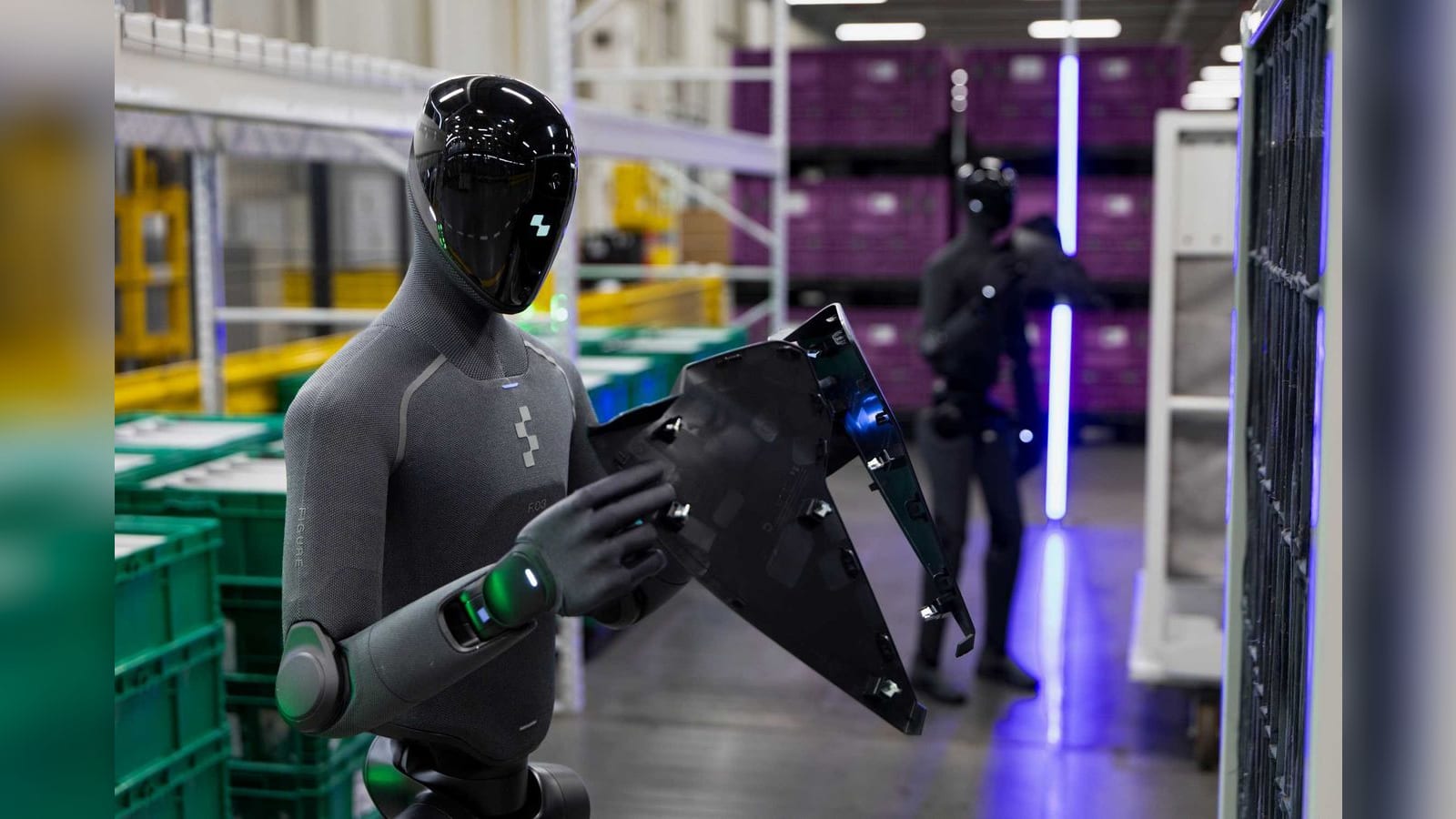
The scale of autonomous defense investment is also visible in adjacent hardware categories. The Boeing MQ-28 Ghost Bat program shows how major primes are also racing to field autonomous air platforms alongside startups like Quantum. Meanwhile, the broader push toward autonomous defense systems reflects a wider industrial shift toward unmanned and robotic platforms that extends beyond the battlefield — including warehouse deployment of autonomous robots and humanoid production lines hitting hundreds of units per hour.
What's next for Quantum Systems?
The company's stated next step is industrializing its multi-domain platform and scaling production across allied markets. A potential merger with Stark — which would add loitering munitions and additional unmanned surface and ground vehicles to Quantum's lineup — remains a reported possibility based on Financial Times coverage cited in the sources.



0 Comments
Log in to comment
Not a member yet? Join the community
Pick a meme
KlipyHave a great take?
Drop your email — we'll send a magic link so you can post it. No password.
Not a member of the community? Join today.
Join the community →