What is causing the 2026 global memory chip shortage?
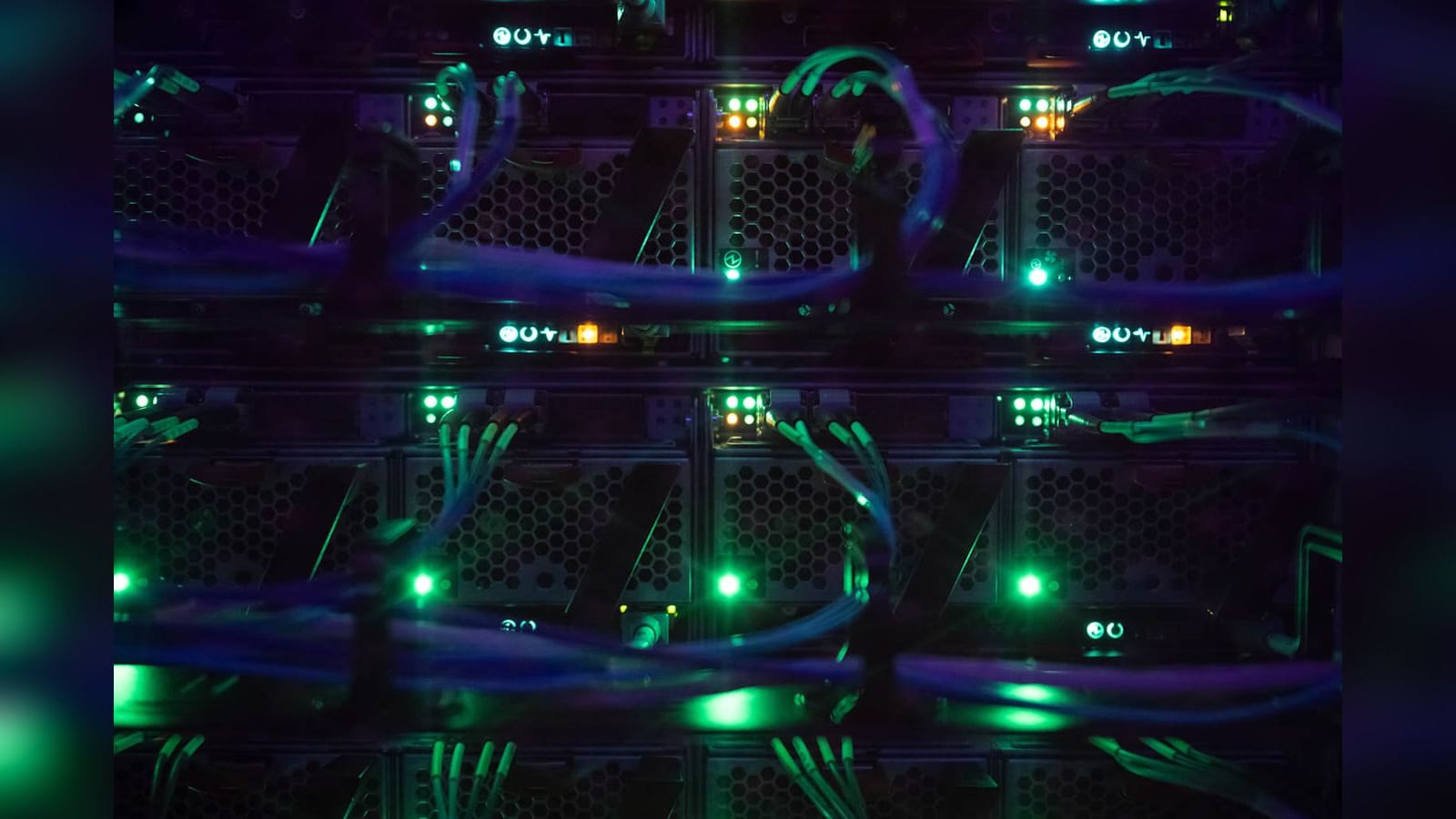
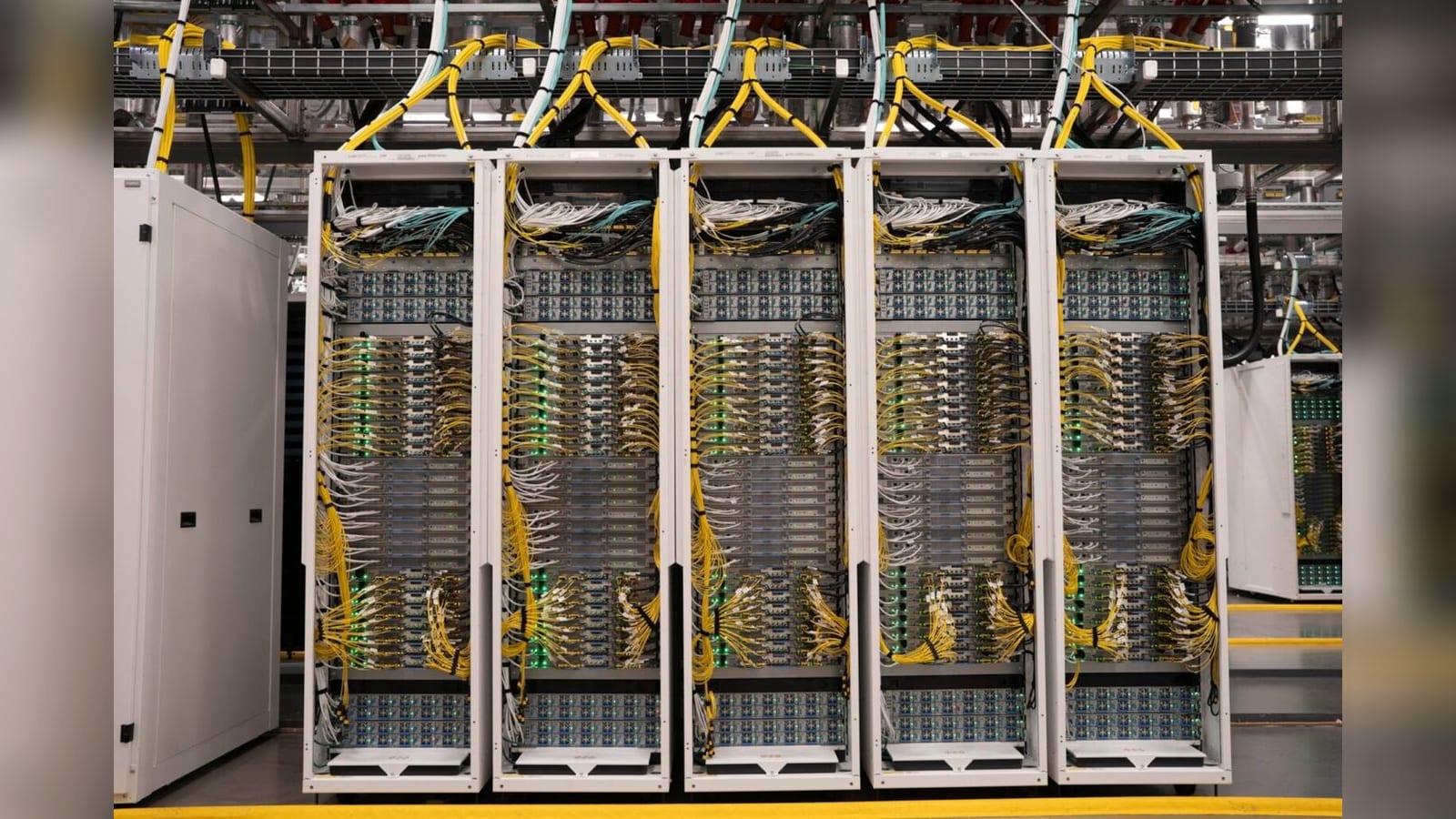
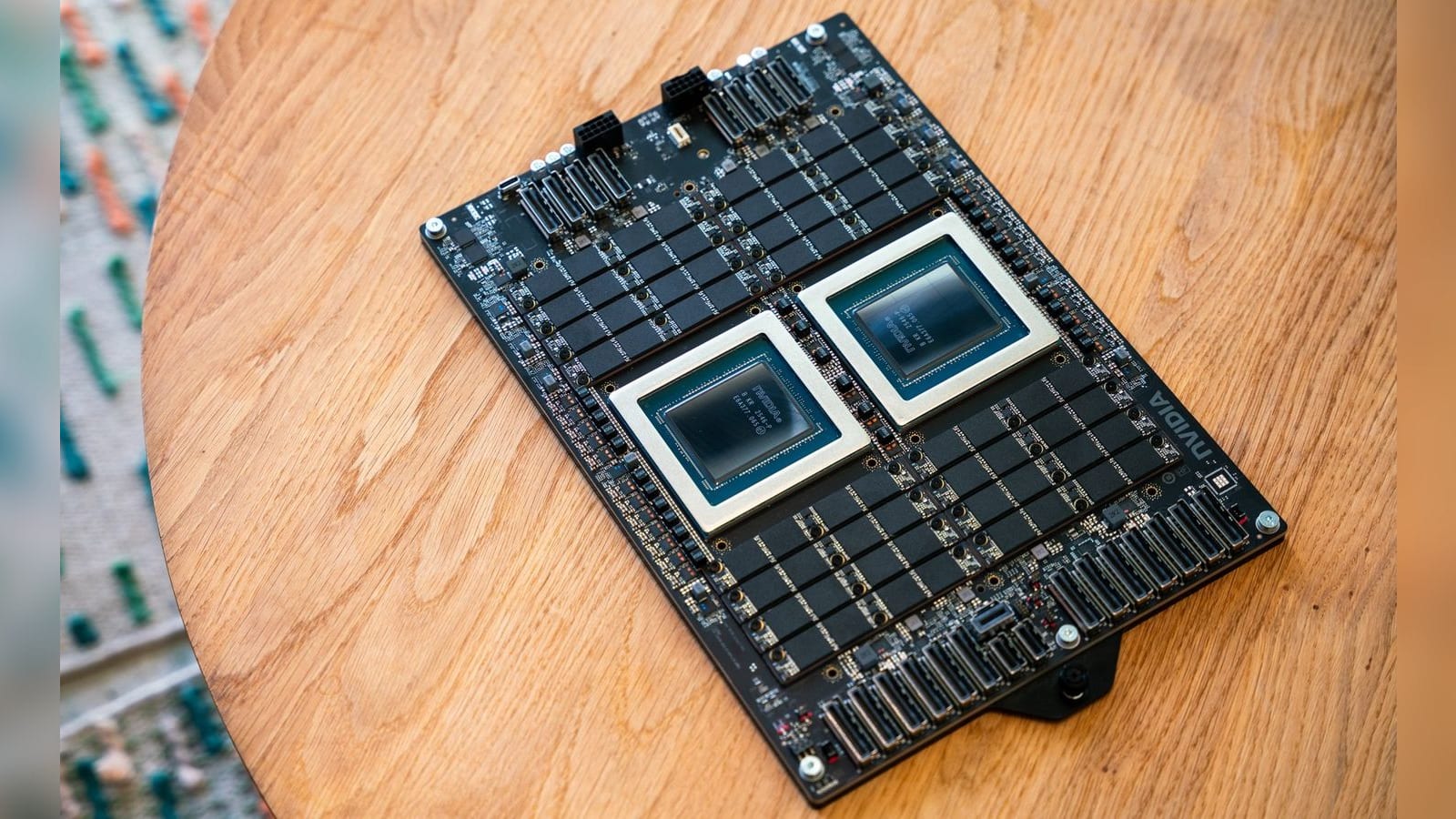
AI data center construction is consuming the world's memory chip supply. According to Everstream Analytics, recent reports indicate that up to 70% of all memory chips produced globally in 2026 will go to AI data centers. That leaves automotive, consumer electronics, and medical device makers competing for what's left.
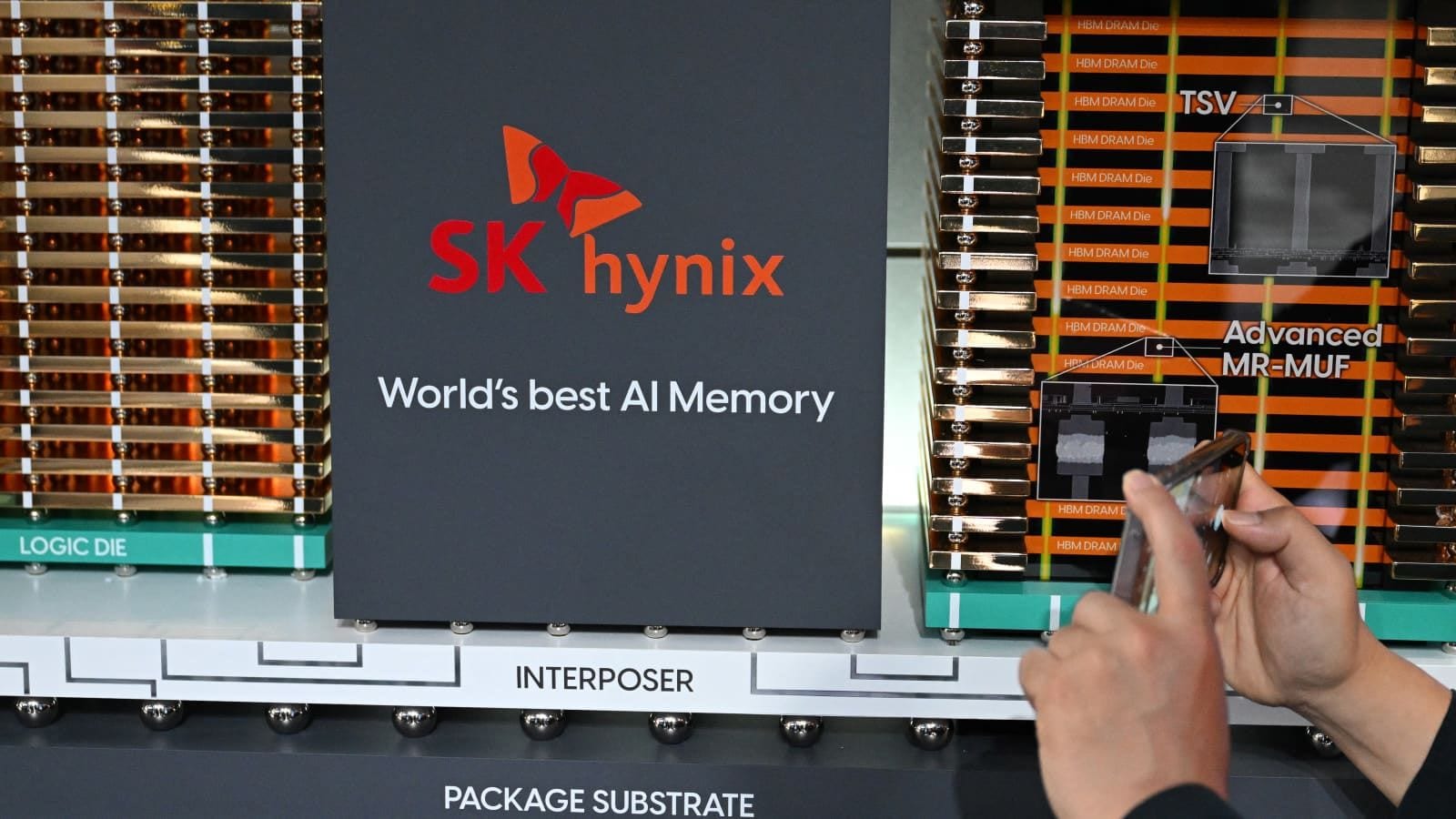
The AI boom traces back to November 2022, when ChatGPT launched and triggered a wave of data center construction. Those data centers rely heavily on high-bandwidth memory (HBM) — a three-dimensional stack of dynamic random-access memory (DRAM) chips that delivers faster data throughput for AI workloads.
Why is HBM production squeezing out standard DRAM?
HBM is more resource-intensive to make. One gigabyte of HBM consumes four times the wafer capacity of standard DRAM. But HBM also generates higher profits, so manufacturers are shifting production lines toward it.
That shift directly cuts supply for traditional DRAM used in cars, laptops, and medical equipment. Producers are also choosing DRAM lines over NAND flash lines, even as demand for NAND from AI infrastructure has risen.
Who controls the global memory market?
Three companies control over 90% of the global DRAM market:
- SK Hynix Inc.
- Samsung Electronics Co., Ltd.
- Micron Technology, Inc.
Their production decisions set the tone for the entire industry. Here's what each has done recently:
You might also like




| Company | Action | Timing |
|---|---|---|
| Micron | Halting PC memory production; shifting to HBM | Ongoing into 2026 |
| SK Hynix | Converting a main DRAM line to HBM | Announced 2024 |
| SK Hynix | Sold out all 2026 HBM, DRAM, and NAND capacity | October 2025 |
| Micron | Sold out all 2026 AI memory contracts | January 2026 |
| Samsung | Cutting NAND production to free capacity | Ongoing |
How bad has the inventory drop been?
The numbers are stark. DRAM inventory levels fell from 17 weeks in late 2024 to just 2 to 4 weeks by October 2025, according to Everstream Analytics. That is a near-total drain in under a year.
Micron stated in January 2026 that it can only meet about two-thirds of medium-term memory requirements for some customers — even after selling out its 2026 AI memory contracts entirely.
How much have memory prices increased?
Memory prices have moved sharply in a short window:
- DRAM prices rose 50% in Q4 2025 alone.
- Prices are expected to rise a further 40-50% by the end of Q1 2026.
- Samsung's NAND prices jumped roughly 20% quarter-over-quarter in January 2026.
NAND price increases remain lower than DRAM increases, but the gap is narrowing as Samsung and SK Hynix cut NAND production to free up capacity for more profitable memory lines.
Which industries face the highest disruption risk?
Companies in the electronics and automotive sectors face the highest risk of operational disruptions through 2026. Both sectors depend on standard DRAM and NAND products that manufacturers are now deprioritizing.
The medical device sector is also exposed. All three industries are downstream of the same three suppliers — SK Hynix, Samsung, and Micron — who are redirecting capacity toward AI customers.
This dynamic is directly relevant to anyone tracking Micron AI memory demand cycles, which analysts have flagged as a multi-year structural shift.
How does this connect to broader chip supply pressures?
The memory crunch is one layer of a wider chip supply problem. Builders and procurement teams watching Nvidia banned chips pricing on secondary markets are seeing the same demand-versus-supply imbalance play out across different chip categories.
On the manufacturing side, advances like IBM's Nanostack chip density work are still years from commercial scale. For now, the three dominant memory makers hold the supply keys.
Apple has separately been exploring alternative sourcing. Earlier reporting covered Apple lobbying the Trump administration to approve CXMT chips as a RAM source — a move that signals how acute procurement pressure has become even for the world's largest consumer electronics company.
As we see it, the data from Everstream tells a clear story: the memory market tightened faster than most supply chain models anticipated, and the 2026 crunch is already locked in by contracts that are fully sold.
The most immediate confirmed milestone: Micron's January 2026 announcement that 2026 AI memory contracts are sold out and that it can fulfill only about two-thirds of some customers' medium-term needs.
0 Comments
Log in to comment
Not a member yet? Join the community
Pick a meme
KlipyHave a great take?
Drop your email — we'll send a magic link so you can post it. No password.
Not a member of the community? Join today.
Join the community →