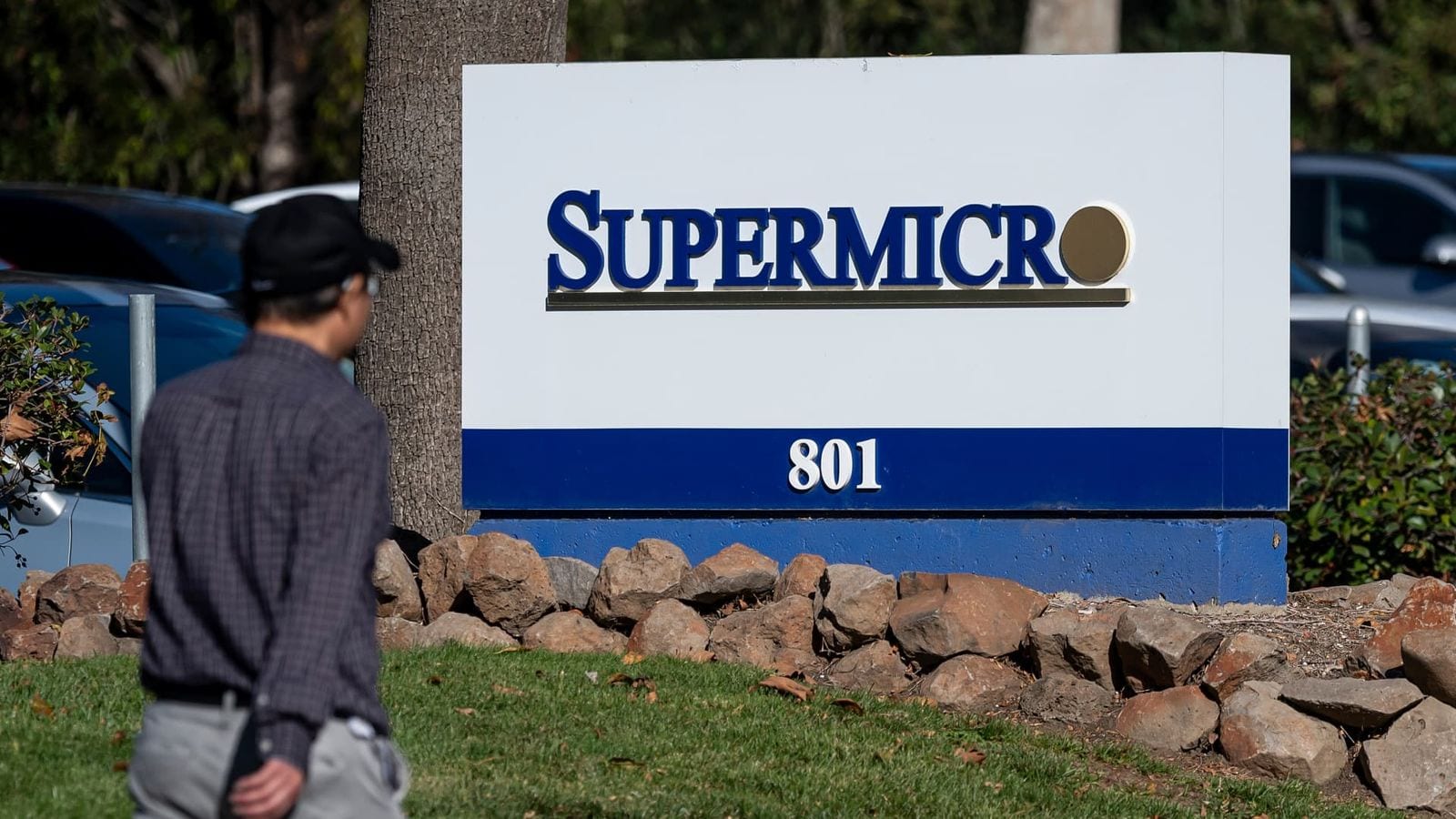
Taiwan Raids Super Micro Over Nvidia Chip Smuggling
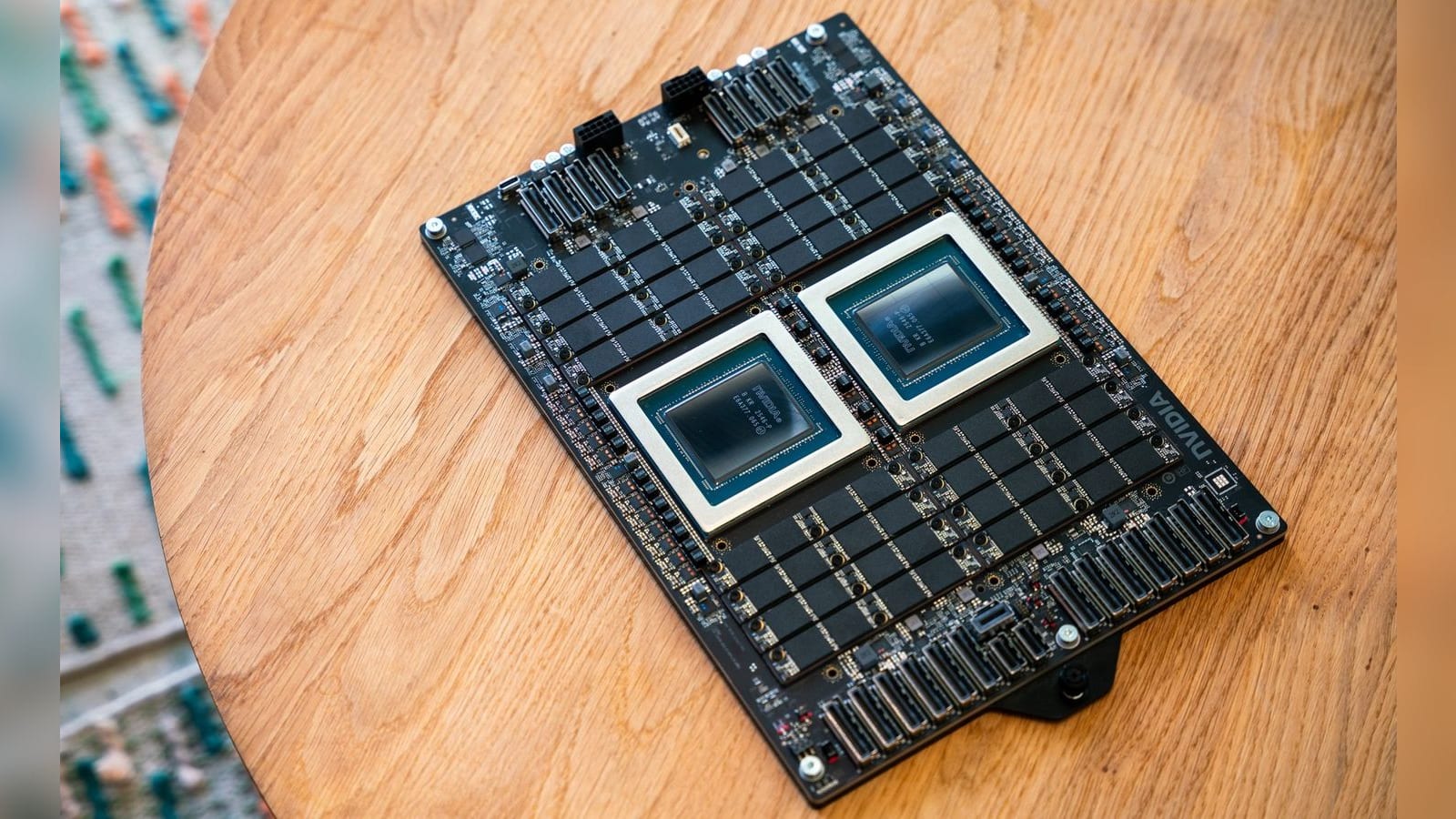
On June 29, 2026, Taiwanese authorities raided Super Micro Computer's Taiwan office. The probe centers on alleged smuggling of Nvidia chips to China through Super Micro's AI servers. Super Micro shares dropped as much as 9% after the news broke, then recovered some losses. [1]
We are tracking this story closely, as it marks a significant escalation in AI chip export enforcement.
Who Was Raided?
The Keelung District Prosecutors Office confirmed the operation. Investigators searched three affiliated companies and the residences of six individuals. The office declined to name those searched. Three companies were confirmed as targets: [1:1]
- Super Micro Computer — AI server maker; Taiwan office raided
- Chief Telecom Inc. — Data center operator; office raided
- Albatron Technology Co. — Super Micro distributor; office raided
The prosecutors office summoned all six individuals for interviews. Super Micro has said it is cooperating with Taiwanese authorities. [1:2]
Why Do U.S. Rules Apply Here?
The U.S. banned exports of advanced AI chips to China in 2022. Washington's concern is that Nvidia's high-end processors could strengthen Beijing's military. Most of these chips are made in Taiwan, which puts the island at the center of enforcement. [2]
You might also like

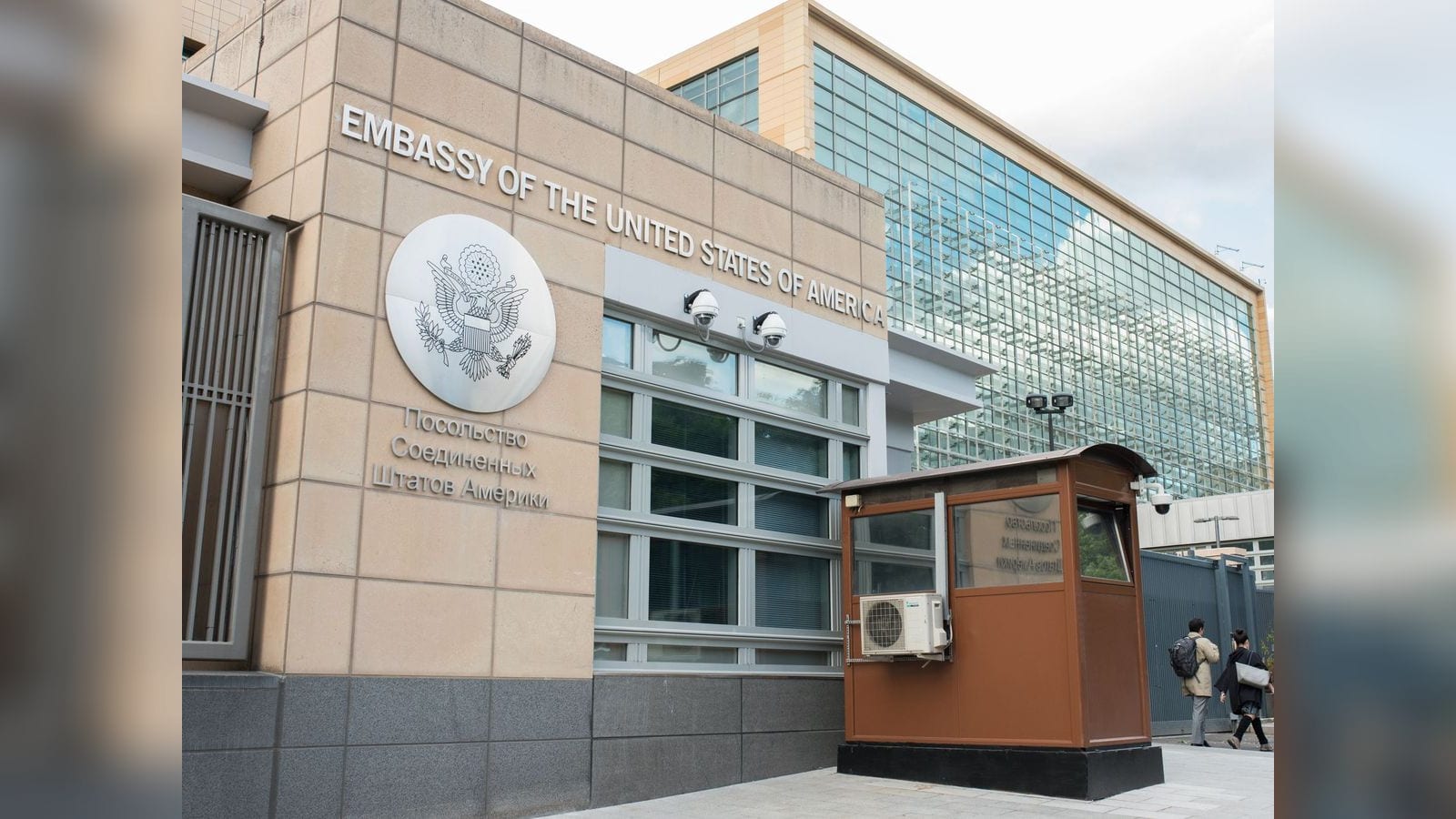


Companies must get Washington's permission before selling restricted chips to Chinese buyers. These rules already apply globally. Taiwan, however, does not treat unauthorized AI chip exports to China as a crime under its own laws. [2:1]
That legal gap matters. Taiwan's prosecutors can warn sellers they may be breaking U.S. rules. But they can only charge suspects under existing local laws — not under any AI chip export statute. This limits what they can actually do in court. [1:3]
Nvidia banned chips have already been found circulating in China, a dynamic that adds pressure to the current enforcement push.
What Legal Changes Is Taiwan Considering?
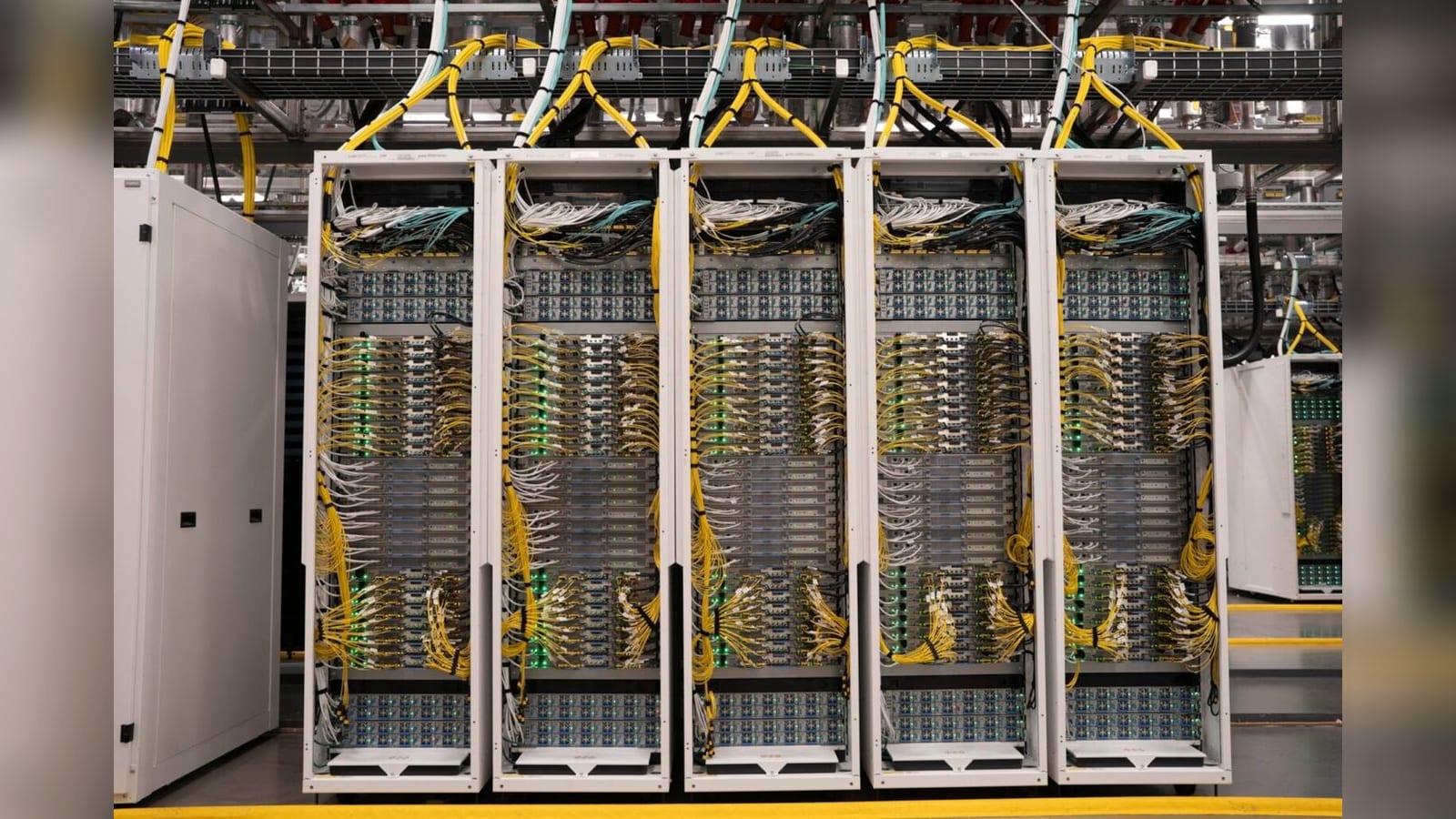
Taiwan is now weighing much stricter export controls on AI chip sales to China. The goal is to give prosecutors more legal tools to address diversion of advanced hardware, including AI servers with Nvidia chips. [2:2]
Making such exports a criminal offense would align Taiwan more closely with U.S. measures. The move risks drawing a rebuke from Beijing. Right now, the only path is to charge suspects under other existing local laws — a workaround that limits reach. [2:3]
This matters for anyone watching the AI chip export supply chain. New legislation would give Taiwan's courts direct jurisdiction over chip diversion cases for the first time.
Key Entities in the June 29 Raids
| Entity | Role | Action Taken |
|---|---|---|
| Super Micro Computer | AI server maker | Taiwan office raided |
| Chief Telecom Inc. | Data center operator | Office raided |
| Albatron Technology Co. | Super Micro distributor | Office raided |
| Six individuals | Unnamed | Residences searched; summoned for interviews |
| Keelung District Prosecutors Office | Taiwan law enforcement | Confirmed raids, issued statement |
Why This Raid Is Significant
These raids mark an expansion of Taiwan's first public enforcement action against AI chip diversion. The U.S. first imposed export curbs on advanced Nvidia processors in 2022. Since then, enforcement has relied on U.S. rules rather than Taiwanese law. [1:4]
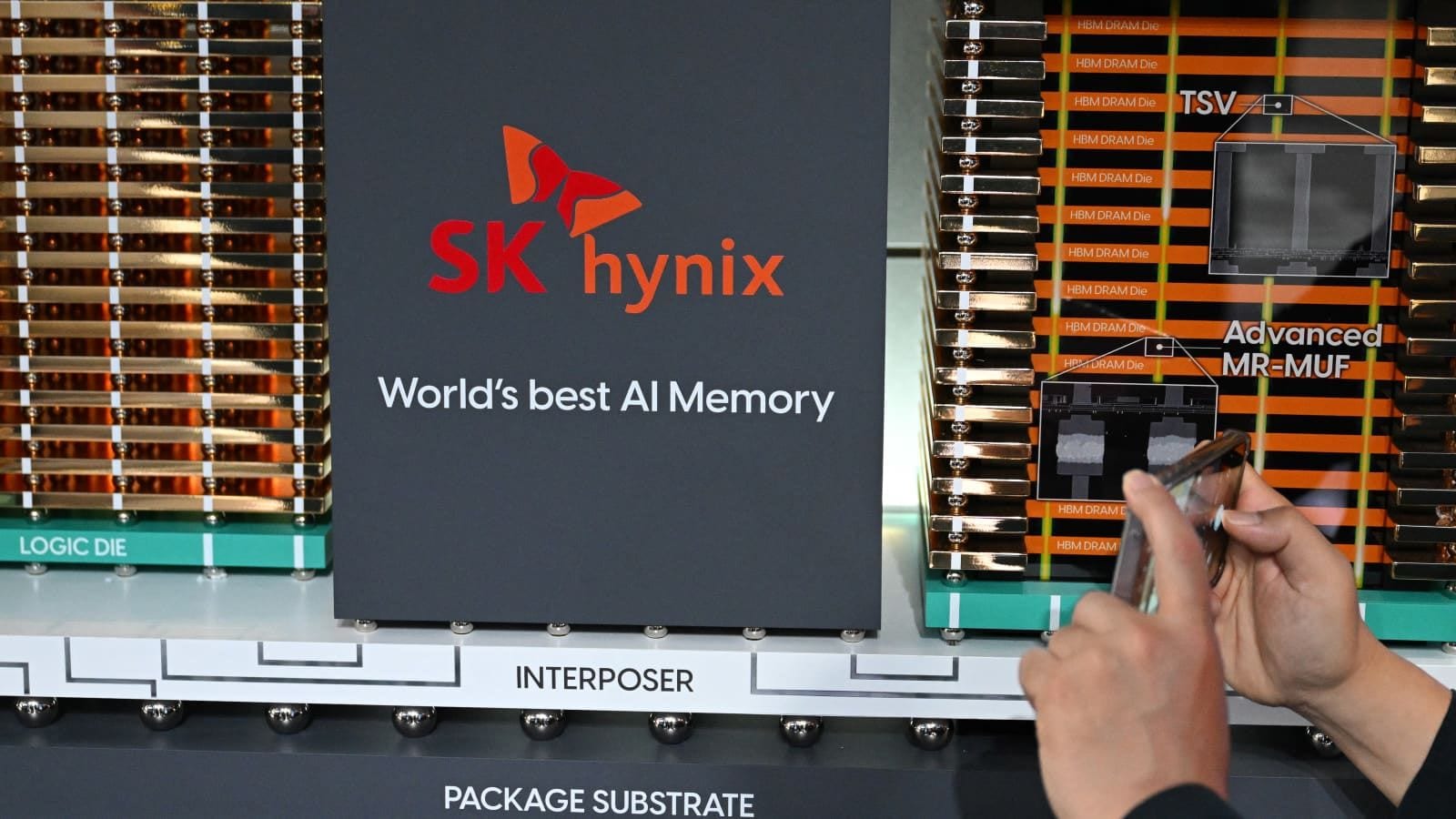
Taiwan sits at the center of global chip production. Its enforcement posture directly affects how well U.S. restrictions hold. Analysts tracking the AI memory supercycle should note that chip diversion enforcement adds a new variable to hardware availability.
The broader chip supply chain is under pressure from multiple directions. Samsung HBM4 sales and data center optics are both tied to the same advanced AI hardware ecosystem now under scrutiny.
0 Comments
Log in to comment
Not a member yet? Join the community
Pick a meme
KlipyHave a great take?
Drop your email — we'll send a magic link so you can post it. No password.
Not a member of the community? Join today.
Join the community →