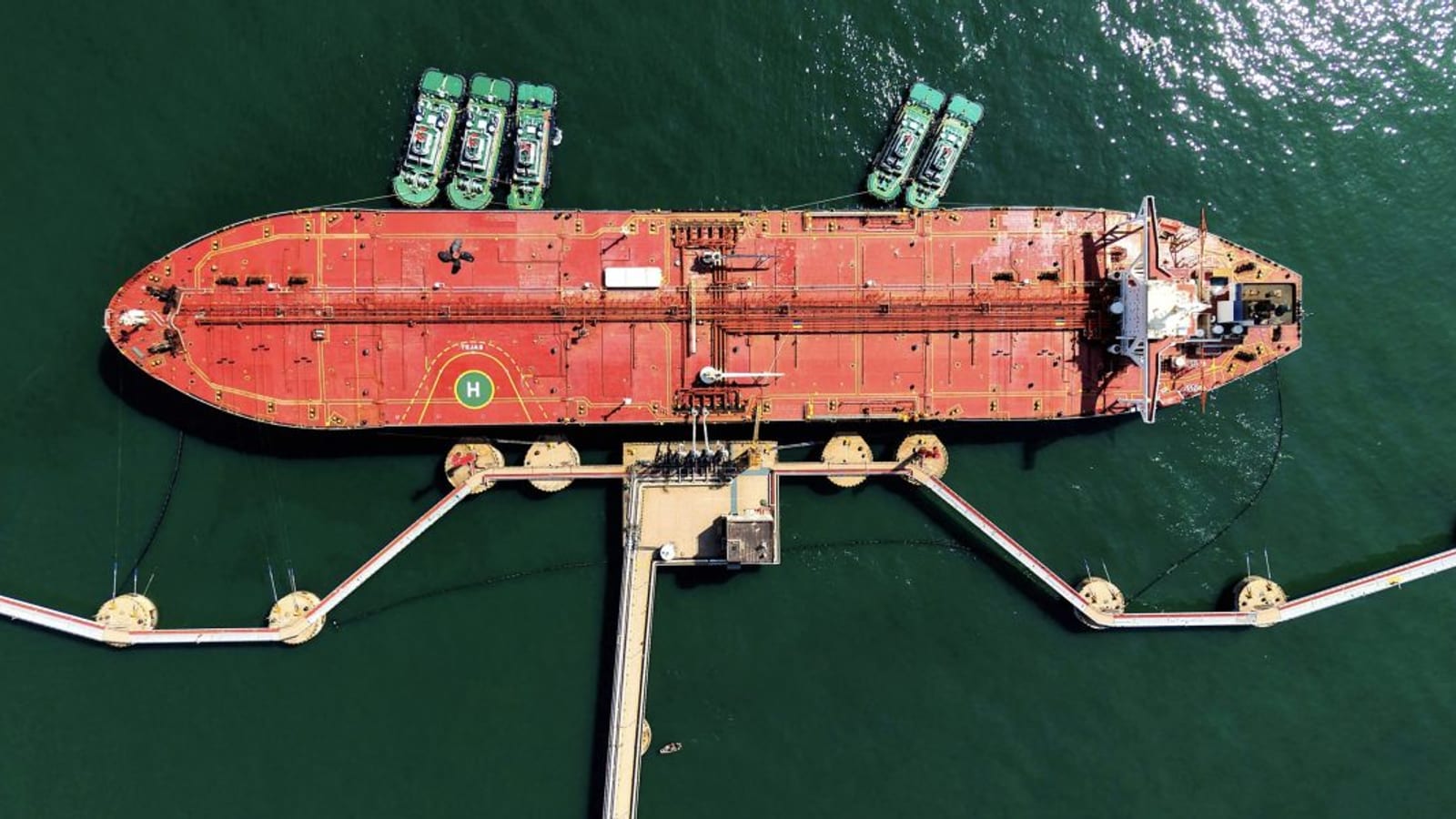
What actually happened to oil prices after Hormuz closed?
Dated Brent crude is trading below $100 a barrel, more than three months after the Strait of Hormuz was effectively blocked — cutting over 10 million barrels a day of Middle Eastern supply. That is far below the $200-per-barrel level many analysts had warned about. President Trump noted on Friday that oil was at $96 a barrel, saying people had expected $300.
The waterway's closure has been called the worst supply shock in modern history, according to Fortune's reporting on the crisis. Yet a combination of factors has kept prices from spiraling.
Why hasn't the price spiked higher?
Three main forces have offset the lost supply.
First, US crude and fuel exports in May were more than 2 million barrels a day above last year's full-year average. American production has boomed to record highs thanks to the shale revolution, turning the US into a net exporter.
You might also like
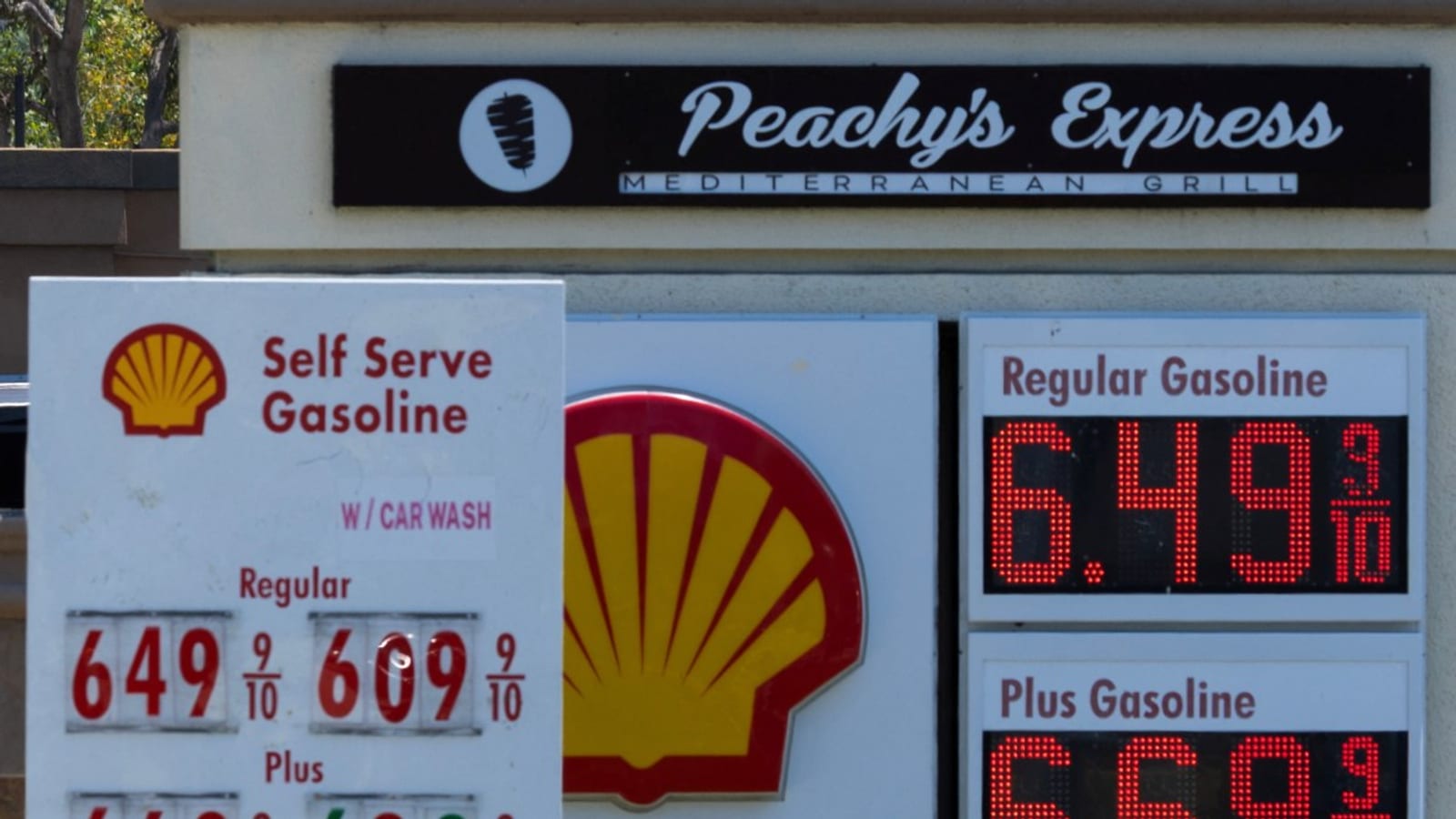


Second, China — the world's largest oil importer — slashed inbound shipments by almost 40% in May compared to last year's average, according to data from Vortexa Ltd. That reduction alone offsets between one-third and one-fifth of the barrels lost to the war, depending on the estimate used.
Third, governments coordinated a historic release of strategic reserves. The Trump administration pledged to release 172 million barrels from the US Strategic Petroleum Reserve. In one week last month, the stockpile fell by 1.4 million barrels a day. Nearly half of those released barrels have gone to Europe and other overseas destinations.
Some tankers have also continued moving cargoes through the strait using increasingly opaque methods to avoid military threats, and Gulf producers have rerouted shipments through alternative export routes.
What did the CEO of the largest Greek shipowner say?
Maria Angelicoussis, CEO of Angelicoussis Group — described as the largest Greek shipowner by number of vessels — made rare public remarks this week. "Over three months into this conflict, the world has proven surprisingly resilient," she said. She noted commodity prices are up 50% to 60%, and Asian LNG prices are up 90%, but not at the extreme levels she personally expected.
How long can these buffers hold?
Greg Sharenow, who helps manage nearly $24 billion as head of PIMCO's commodity portfolio investment team, warned the situation is tightening fast. "Each week that goes by, the system is tightening by 70 to 80 million barrels. You can't do that forever," he said. He added that within a few months, "you'll really be staring at a system that could be lacking flexibility because the buffers have been really depleted."
Global inventories are drawing down at a record pace. Even relatively small outages could trigger sharp price spikes as spare supplies shrink.
What is the US Energy Secretary saying?
US Energy Secretary Chris Wright said on June 9 at the Atlantic Council Energy Forum in Washington, DC, that it could take "many months" for energy flows to return to normal. Wright told the forum that disruptions extend beyond oil and gas to include sulfur, helium, lubricants, and other products flowing through the region.
Wright also said ship traffic through the Strait of Hormuz is rising "very meaningfully." He pointed to production growth in Alaska, the Gulf of Mexico, Venezuela, Guyana, and expansion plans by US partners including Kuwait as signs of a well-supplied energy future.
He argued the energy costs would be "wildly worth paying" if Iran ceased to pose a threat to regional stability and energy flows.
The most immediate confirmed milestone: Wright's own timeline of "many months" before energy flows normalize through the region.




0 Comments
Log in to comment
Not a member yet? Join the community
Pick a meme
KlipyHave a great take?
Drop your email — we'll send a magic link so you can post it. No password.
Not a member of the community? Join today.
Join the community →