What did the April 2026 CPI report show?
US consumer prices rose 3.8% year-over-year in April 2026 — the largest annual increase since May 2023 — according to the Bureau of Labor Statistics. The monthly gain was 0.6%, following a 0.9% increase in March. The annual rate came in 0.1 percentage point above the Dow Jones consensus, per CNBC.
Excluding food and energy, core CPI rose 0.4% for the month and 2.8% annually. That monthly core reading was the highest since January 2025. The Federal Reserve targets 2% inflation and considers core CPI a better gauge of longer-term trends.
Real average hourly wages slipped 0.5% for the month and fell 0.3% annually.
Why did energy prices spike so sharply?
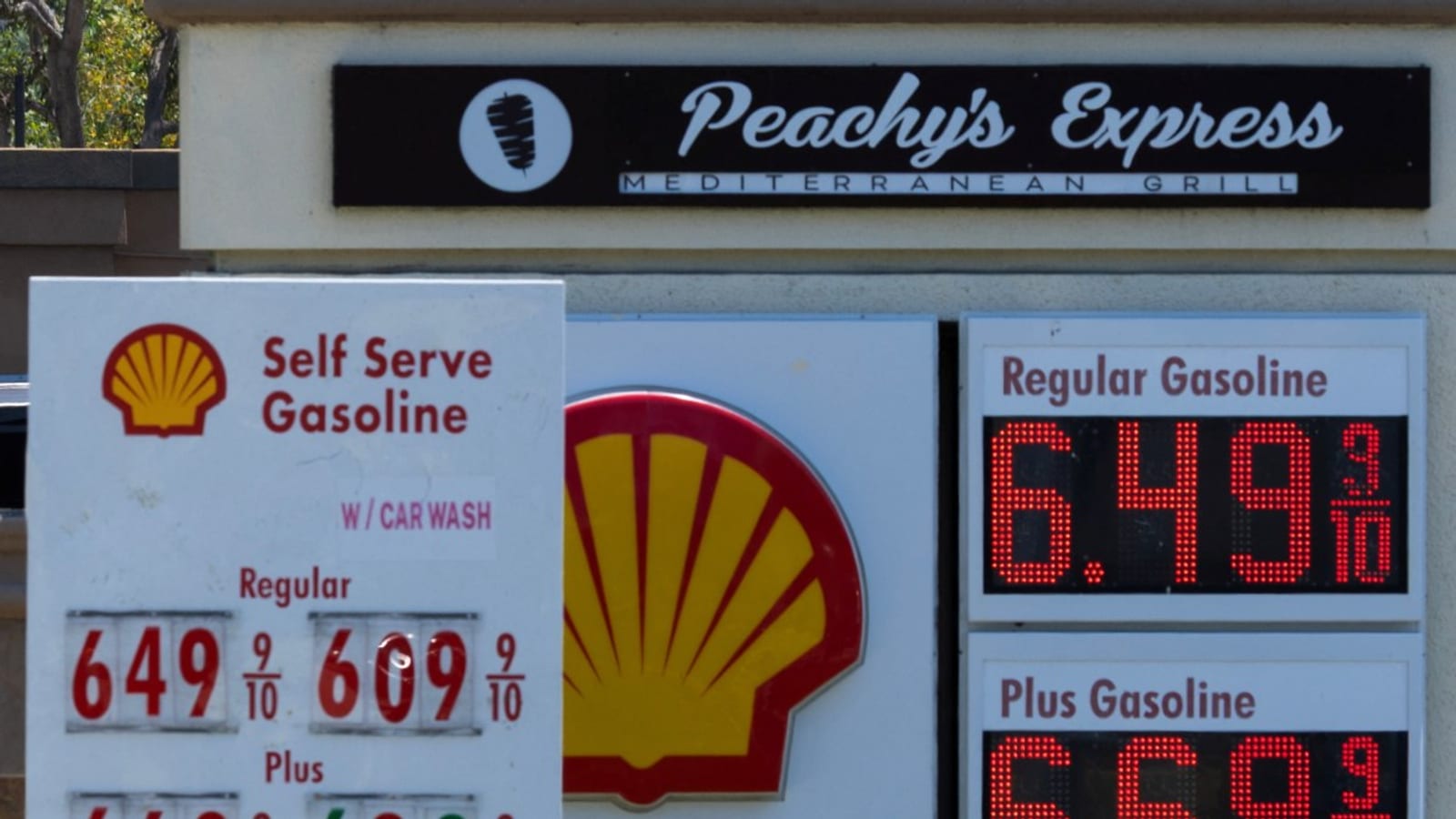
Energy prices surged 17.9% over the past 12 months. Gasoline alone rose 28.4% year-over-year and 5.4% month-over-month. The average price for a gallon of gasoline reached $4.50 as of May 12, according to the American Automobile Association. When the US and Israel first struck Iran on February 28, that average was $2.98, Al Jazeera reports.
The White House called the price increase temporary. "President Trump has always been clear about temporary disruptions as a result of Operation Epic Fury," White House spokesperson Kush Desai told Al Jazeera.
When asked if Americans' financial situation was a factor in pursuing a deal with Iran, President Trump said: "Not even a little bit. The only thing that matters when I'm talking about Iran: They can't have a nuclear weapon."
You might also like


How did energy costs affect other prices?
Higher jet fuel costs pushed airfares up 2.8% month-over-month. Spirit Airlines ceased operations earlier this month after 34 years in business, citing "recent geopolitical events" as the driver of heightened fuel costs in court documents.
"The passthrough of higher energy costs to non-energy prices was most apparent in airfares," Bernard Yaros, lead US economist for Oxford Economics, said in a report provided to Al Jazeera.
Tariff-exposed categories also rose. Clothing prices jumped 0.6%. Electronics overall increased, with bedroom furniture and toys each up 0.8%.
What happened to grocery prices?
Grocery prices rose 0.7% for the month. Meat, poultry, fish, and eggs climbed 2.7%. Beef specifically jumped 2.7%. Fruit and vegetable costs surged 1.8%.
Tomato prices jumped nearly 40% year-over-year and more than 15% from the prior month alone. Coffee rose 18.5% annually and 2% month-over-month.
"Every day the war continues, prices climb higher and will stay there for months after it ends," Alex Jacquez, a former member of the White House National Economic Council under President Biden, said in a statement to Al Jazeera.
Egg prices were a notable exception: down 39% year-over-year, a figure the White House highlighted on social media. However, egg prices did tick up 1.5% month-over-month.
Were there any price decreases?
Healthcare costs fell. Overall drug prices dropped 0.4% month-over-month and 0.5% year-over-year. Prescription drug prices were flat month-over-month and down 0.9% annually.
Smartphone prices fell 12% year-over-year, though they rose 1% from the prior month. Smartphones were exempt from the tariffs Trump imposed last year.
How did markets and the Fed respond?
US markets fell after the report. The Nasdaq dropped 1.4%, the S&P 500 fell 0.8%, and the Dow Jones Industrial Average declined 0.6% in midday trading.
The Federal Reserve is expected to hold rates steady through the rest of the year. The central bank voted last month to keep its benchmark rate at 3.5–3.75%. Jerome Powell's term as Fed chair ends this week; Kevin Warsh is expected to be confirmed by the Senate as his replacement.
"A firmer economy and stickier inflation will keep the Federal Reserve on a prolonged hold — we now expect the next rate cut in December, rather than June," Michael Pearce, chief US economist at Oxford Economics, said in a note published Tuesday.
Oxford Economics' Yaros added: "We still look for CPI inflation to peak this quarter at a pace well below its pandemic-era heights."

0 Comments
Log in to comment
Not a member yet? Join the community
Pick a meme
KlipyHave a great take?
Drop your email — we'll send a magic link so you can post it. No password.
Not a member of the community? Join today.
Join the community →