What did SemiAnalysis report about the Kyber NVL144?
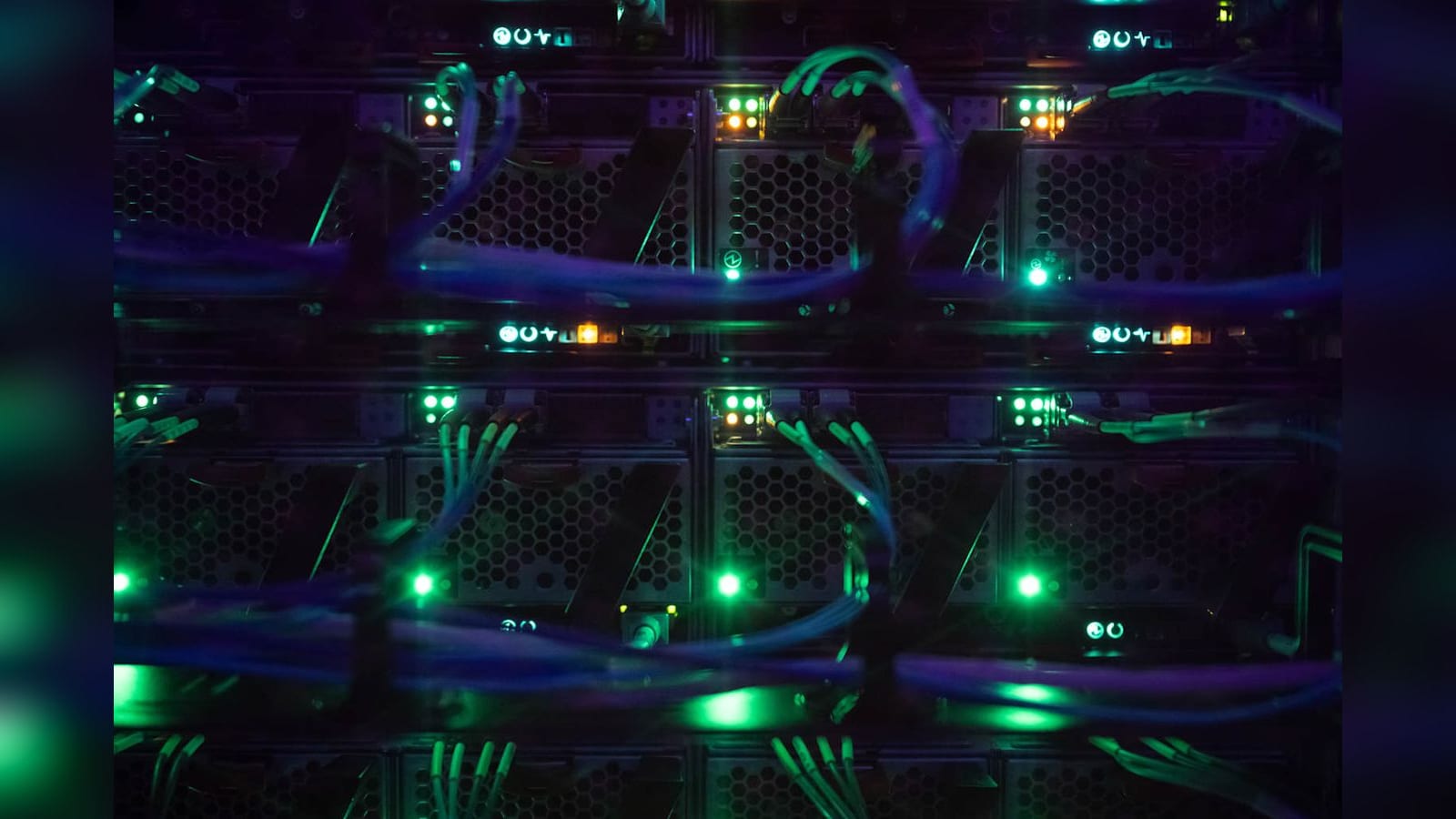
Nvidia's Kyber NVL144 rack architecture is delayed by more than 12 months, pushing its launch to 2028 — just three months after Jensen Huang showcased it at GTC. Semiconductor research firm SemiAnalysis posted six consecutive tweets on X on July 6, 2026, disclosing the delay and a series of related cancellations. The firm stated bluntly: "Major delay: Just three months after Jensen Huang showcased the Kyber NVL144 at GTC, the product has suffered a major setback, with delays exceeding 12 months, pushing its launch to 2028."
What is the Kyber NVL144 and why does it matter?
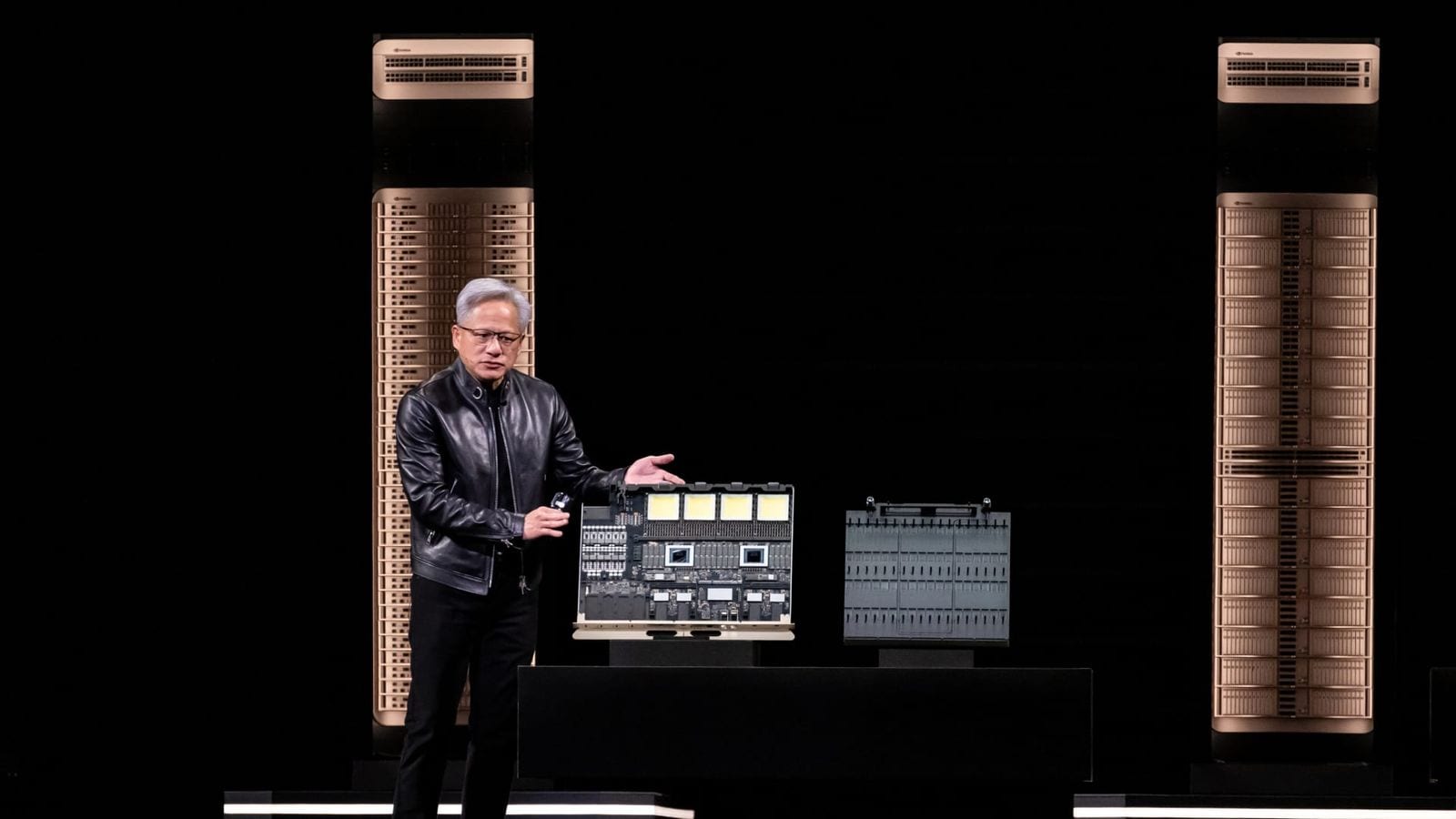
The Kyber NVL144 is Nvidia's rack architecture designed to interconnect 144 GPUs within a single domain, targeting large-scale AI training. It is part of the Rubin Ultra generation of hardware. Using conventional copper cabling for 144 GPUs would require over 20,000 cables, increasing weight by more than 30% and causing severe signal attenuation — which is why the midplane PCB is central to the design.
Why is the midplane PCB causing the delay?
The midplane PCB — which Nvidia officially calls the "orthogonal backplane" — is the board that enables 90-degree vertical interconnects between compute trays and switch trays inside the Kyber rack. Manufacturing it has proven extremely difficult. According to SemiAnalysis as reported by Futunn, the board uses a hybrid material of M9-grade copper-clad laminate, quartz fabric, and PTFE. It has 78 layers — formed by laminating three 26-layer boards together — with trace widths and spacings of 25μm or less to meet signal integrity requirements at SerDes rates exceeding 448G. That combination sits at the current limits of PCB manufacturing technology.
This is directly relevant to the broader AI memory chip shortage affecting the supply chain, as SemiAnalysis noted the delays will impact memory, PCB, and ODM supply chains.
You might also like



What happened to the NVL72x2 backup plan?
Nvidia had developed an interim solution called the NVL72x2, a back-to-back rack design that placed two Oberon racks together and used pure copper NVLink interconnects to scale the domain — bypassing the midplane PCB problem entirely. That plan was canceled. SemiAnalysis said it was dropped "due to strong objections from cloud service providers and hyperscale data center operators over its unconventional design and heavy operational burden."
Here is a summary of what has been delayed or canceled across the Rubin Ultra platform:
| Component | Status | Reason |
|---|---|---|
| Kyber NVL144 rack | Delayed 12+ months → 2028 | Midplane PCB manufacturing failures |
| NVL72x2 back-to-back rack | Canceled | Rejected by cloud and hyperscale operators |
| Rubin Ultra four-die version | Canceled | Not specified beyond product-level change |
| NVL576 (8-rack CPO system) | Likely delayed or limited volume | CPO production readiness uncertain |
What is the NVL576 and is it also affected?
The NVL576 is a larger-scale system that connects eight Oberon racks via CPO (Co-Packaged Optics), forming a two-tier fully connected network. SemiAnalysis, as covered by GuruFocus, stated the NVL576 "may also face delays or be limited to low-volume shipments given the current challenges facing CPO." CPO-enabled NVSwitches will not be fully ready until the Feynman generation, according to SemiAnalysis's March 2026 research report.
What happened to the four-die Rubin Ultra chip?
SemiAnalysis reported that the four-compute-die version of Rubin Ultra has been canceled. Only the two-compute-die version remains, which delivers roughly half the performance of the original four-die configuration. Nvidia's stated response is to offset this by "significantly increasing sales of Oberon Rubin racks and Oberon Rubin Ultra racks."
The cancellation matters for AI chip packaging strategies across the industry, as multi-die configurations are central to scaling compute density.
Which competitors could benefit from Nvidia's delay?
SemiAnalysis named two potential beneficiaries. The firm stated: "NVIDIA currently lacks a proven solution to scale the Oberon Rubin Ultra's scalability domain, creating an opening for competitors such as the AMD MI500X or Google's TPUv8i Broadfly to surpass Rubin Ultra in scalability capabilities." The window exists specifically in large-scale training scenarios where rack-level scalability is critical.
Here's what we know so far: Nvidia has no confirmed interim solution between the canceled NVL72x2 and the delayed Kyber NVL144, leaving a gap in its scalability roadmap until CPO NVSwitch arrives with the Feynman platform.
How did markets react?
The SemiAnalysis report moved Asian PCB stocks in pre-market trading on July 6, 2026, according to Bloomberg's coverage. The manufacturing challenges with the Kyber midplane directly reflect technical bottlenecks for high-end PCB suppliers, and SemiAnalysis confirmed the delays will affect the memory, PCB, and ODM supply chains.
The supply chain pressure connects to trends already visible in Micron's HBM expansion and broader custom AI chip development efforts across the industry.
According to Nvidia's current roadmap, CPO NVSwitch will not be introduced until the next-generation Feynman platform — making 2028 the earliest realistic target for the Kyber NVL144.
0 Comments
Log in to comment
Not a member yet? Join the community
Pick a meme
KlipyHave a great take?
Drop your email — we'll send a magic link so you can post it. No password.
Not a member of the community? Join today.
Join the community →