What did TSMC's CEO say about chip pricing at the shareholder meeting?
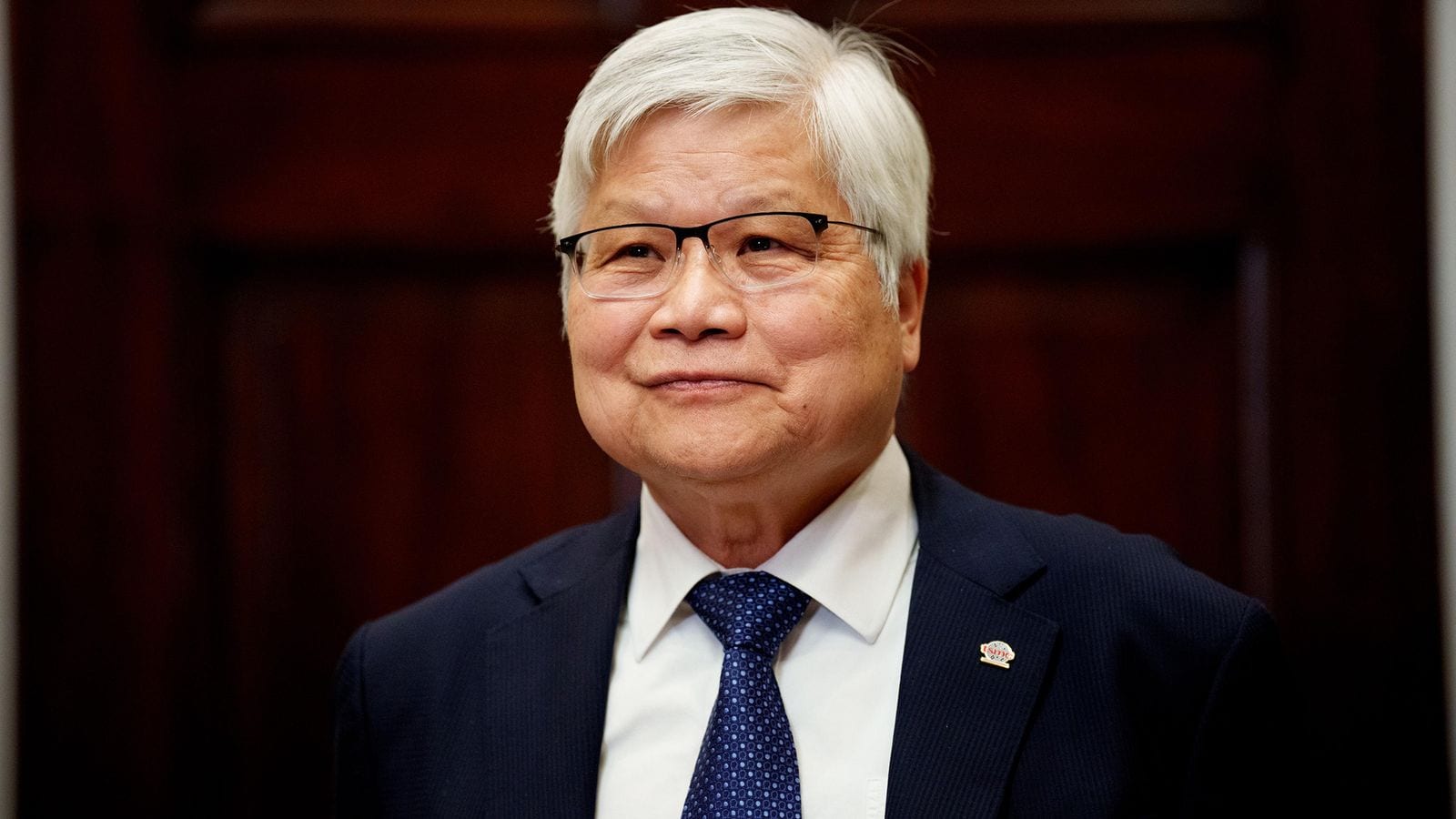
TSMC CEO C.C. Wei told shareholders on June 4 that he would not copy the aggressive pricing moves made by memory chip makers, even as AI demand runs ahead of supply. Speaking at the company's annual shareholder meeting in Hsinchu, Taiwan, Wei said: "I envy their 80% gross margins, but I would never do that."
His comments targeted memory makers Micron, SK Hynix, and Samsung, which have turned a chip shortage into record profits. Wei acknowledged he would "like" to raise prices, given how hard demand is running, but ruled out abrupt increases.
Will TSMC raise prices at all?
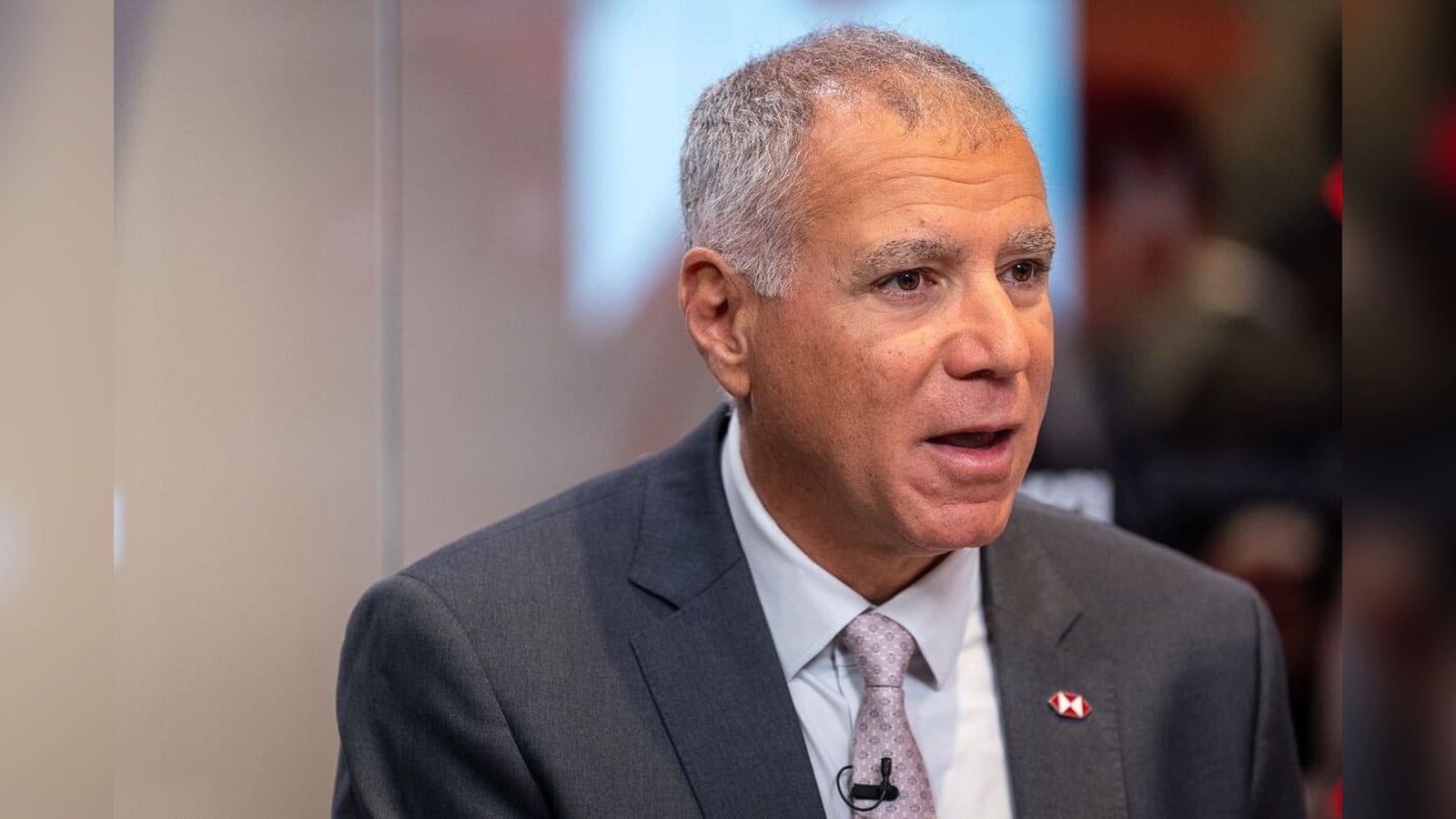
CFO Wendell Huang told the BBC that inflation is pushing up TSMC's costs and did not rule out price increases. He said TSMC would not impose sudden "fourfold, fivefold" increases, but added: "We reflect our value," pointing to the company's technology leadership and manufacturing scale.
You might also like



Despite the public restraint, TrendForce reported in May that TSMC is weighing a 15% price increase on 3nm wafers in the second half of 2026, with a further 5 to 10% increase expected in 2027. Earlier reports indicated TSMC planned to raise sub-3nm prices 3 to 10% across 2026, with increases mapped through 2029.
How bad is the AI chip shortage?
Wei said the global chip supply will trail AI demand for years, even after TSMC completes its U.S. expansion. Huang told the BBC: "We're doing everything we can, wherever we can, and however we can." TSMC reported $35.9 billion in revenue for Q1 2026, up 41% year-on-year, with advanced technologies at 7nm and below accounting for 74% of wafer revenue.
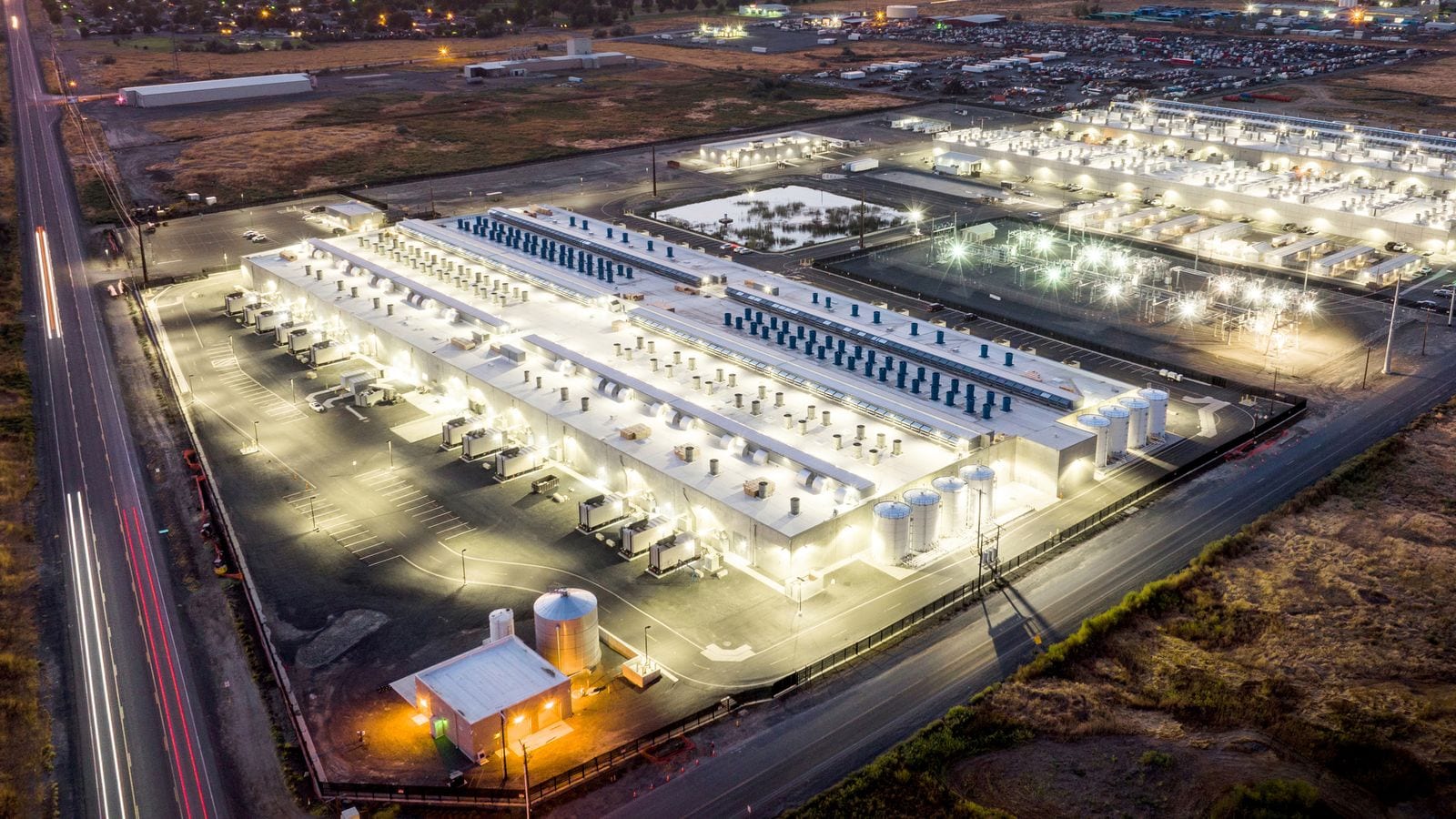
The demand is being driven by an AI infrastructure spending wave. Hyperscalers' combined capital expenditure is projected to exceed $690 billion in 2026. That spending flows directly to TSMC's order book.
Where is TSMC expanding manufacturing capacity?
TSMC has committed $165 billion to its Arizona operations, which include six fabrication plants, two advanced packaging facilities, and a research and development centre. The company is also expanding in Germany and Japan alongside Taiwan.
Huang said the most cutting-edge production will remain in Taiwan. Moving the full manufacturing ecosystem to the United States, he said, would take "five or 10 years, or even longer." The first Arizona fab is producing 4nm chips, but 2nm production at that site is not expected until the end of the decade.
Who does TSMC make chips for?
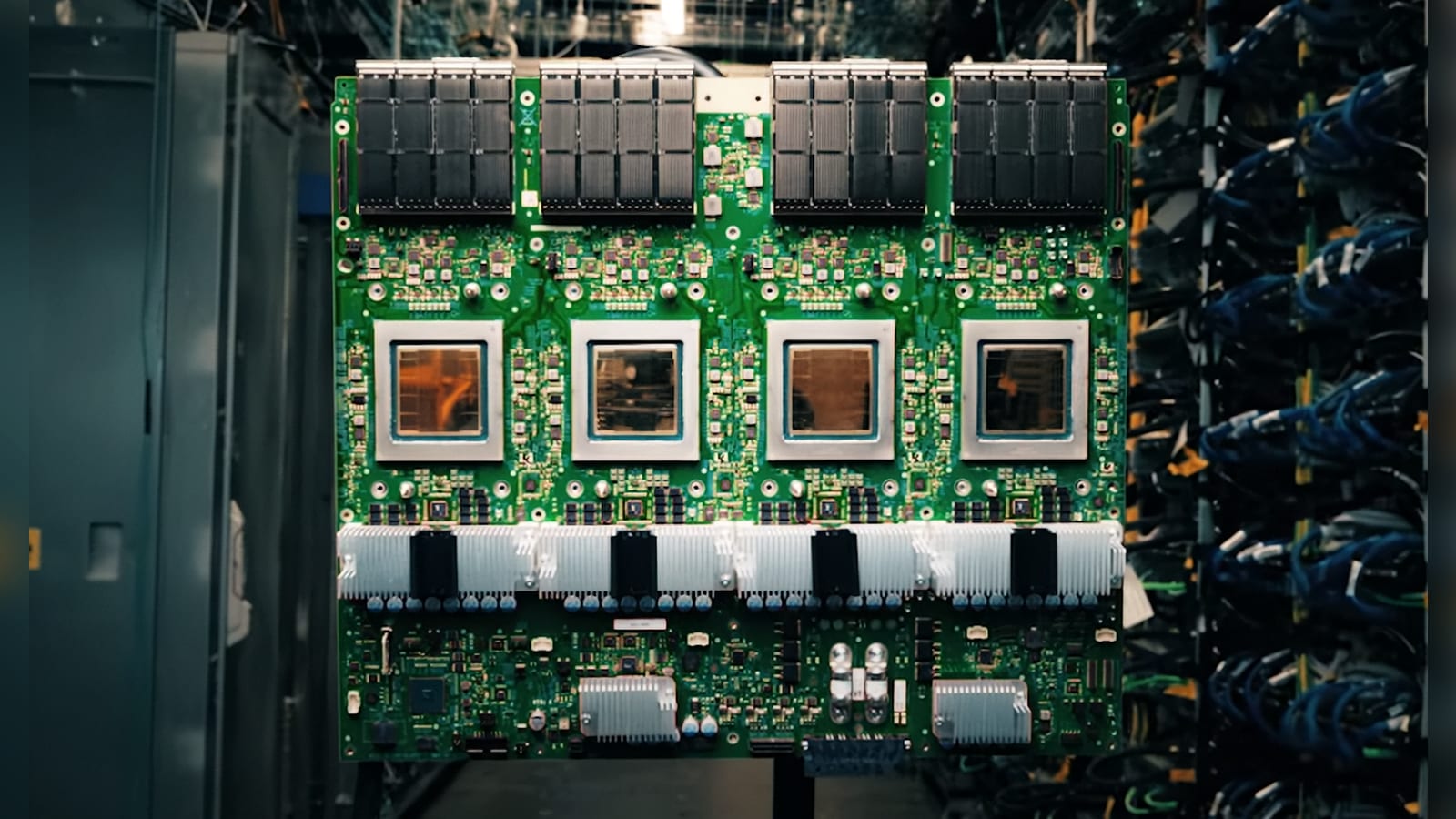
TSMC makes the most advanced chips designed by Nvidia, AMD, and Apple, controlling more than 90% of the market at the most advanced manufacturing nodes. Any pricing increase ripples through to the cost of AI infrastructure and potentially to the prices consumers pay for electronic devices.
Huang denied that the AI boom is a bubble. "Our conviction in this AI megatrend is very strong," he said, citing conversations with customers and hyperscalers. "These companies are financially very strong with a lot of financial resources, so we believe that they're able to continue to invest."
TSM's U.S.-listed shares slipped about 2% in premarket trading after Wei's comments at the shareholder meeting.


0 Comments
Log in to comment
Not a member yet? Join the community
Pick a meme
KlipyHave a great take?
Drop your email — we'll send a magic link so you can post it. No password.
Not a member of the community? Join today.
Join the community →