
How many Americans oppose AI data centers near them?
Seven in 10 Americans — 71% — oppose constructing AI data centers in their local area, according to a Gallup survey conducted March 2–18. Nearly half, 48%, say they are strongly opposed. Only about a quarter of Americans favor these projects, with just 7% strongly in favor.
This is the first time Gallup has asked about data center construction. The results reflect fierce opposition that has already surfaced in communities across the country.
How does that compare to opposition to nuclear power plants?
The opposition to data centers is stronger than resistance to nuclear plants. In the same March survey, 53% of Americans said they oppose building a nuclear energy plant in their area. That is well below the 71% who oppose data centers. Gallup has tracked the nuclear question since 2001, and opposition has never exceeded 63% in that time.
Why are people concerned about AI data centers?
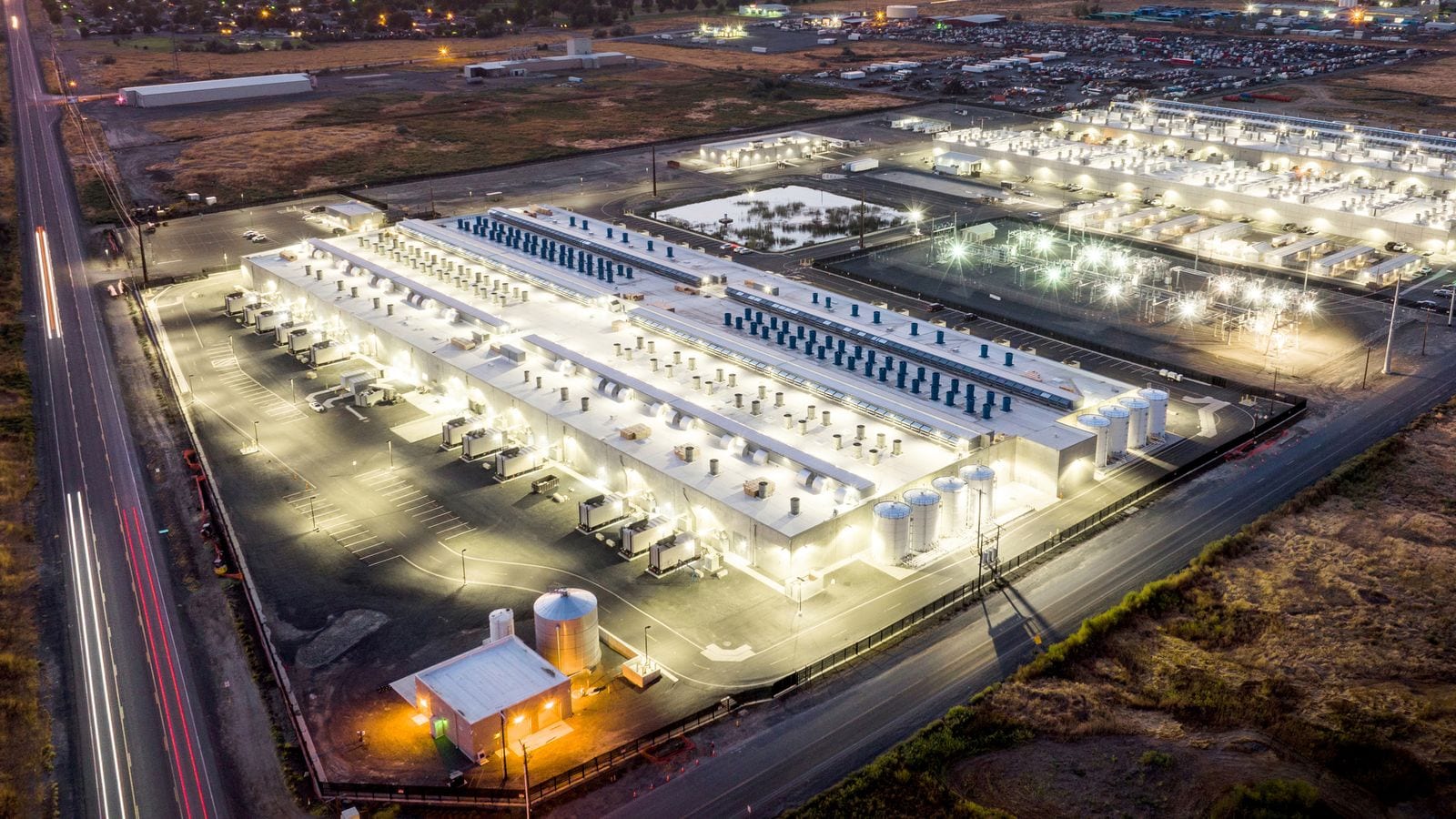
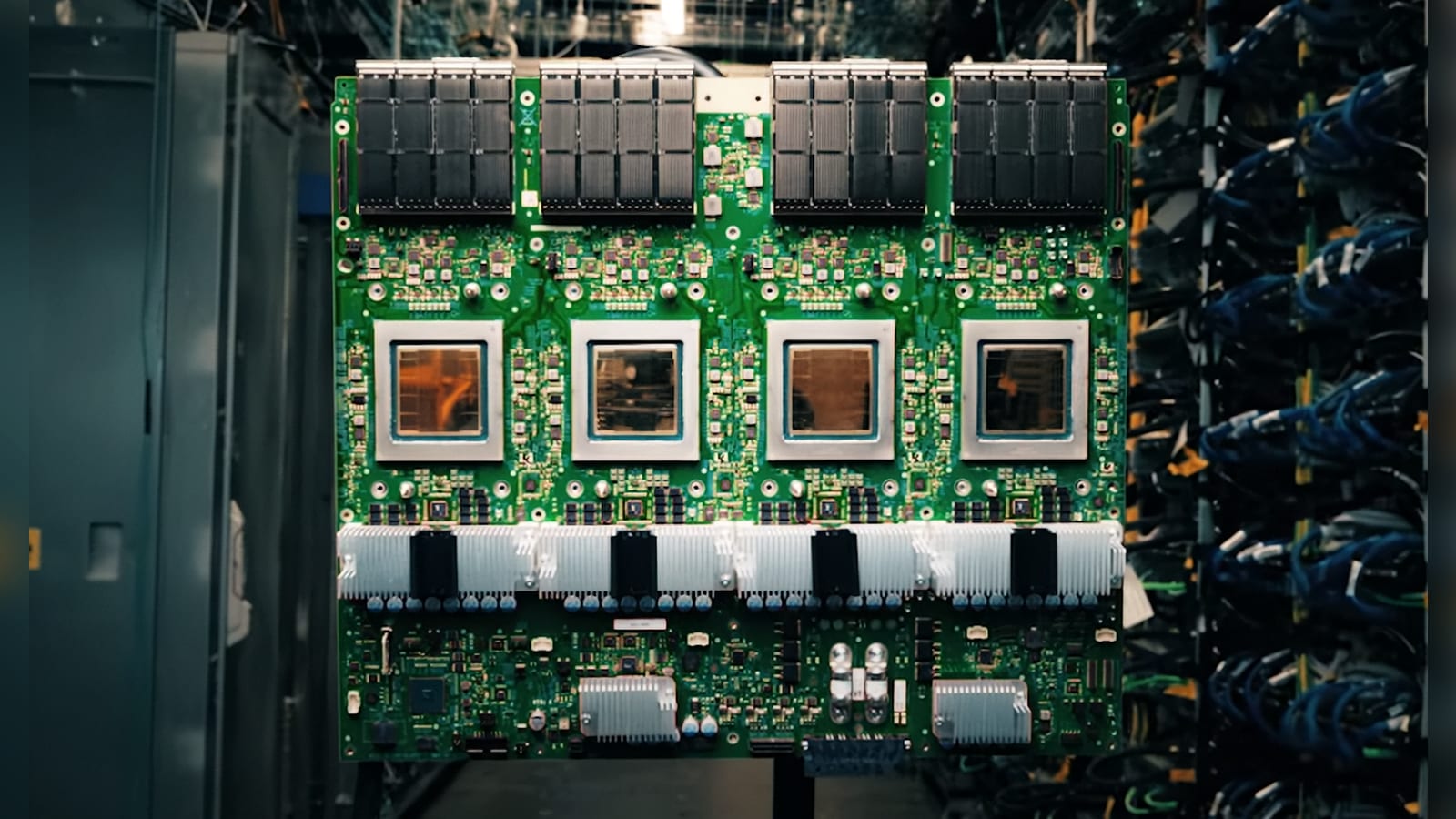
Data centers house the computing equipment that powers AI technology used by businesses, universities, and other institutions. They cover large areas of land, require large amounts of electricity to operate, and need substantial water to cool their equipment.
Gallup also asked about environmental concerns directly. Forty-six percent of Americans say they worry a great deal about the environmental impact of AI data centers, and 24% say they worry a fair amount. For more on the water footprint of this infrastructure, see Amazon data center water usage figures from 2025.
You might also like




What is Ohio doing about data center costs?
Ohio has more than 200 data centers, with dozens more planned — more than half of them in central Ohio, according to NBC4i. As communities push back, state legislators are proposing bipartisan consumer protections.
House Bill 706 would ban electric companies from charging other consumers for costs incurred by data centers. It was introduced by state Reps. Tristan Rader (D-Lakewood) and David Thomas (R-Jefferson). Under H.B. 706, data centers would have to agree to pay at least 85% of their energy costs for no less than 12 years before construction can begin.
What prompted H.B. 706?
The bill builds on an existing AEP Ohio rate structure approved last July. The Public Utilities Commission of Ohio allowed AEP Ohio to create rates specifically for data centers. Under that agreement, new data centers requiring more than 25 megawatts of power per month must pay at least 85% of all energy costs.
AEP Ohio said the early effect of that rate structure is "working as designed." A company spokesperson said consumer bills rose an average of $27 a month last summer due to data center generation costs.
"Working families and small businesses should not be forced to pick up the tab for private infrastructure built to serve some of the largest corporate customers in the world," Rep. Rader said.
What else are Ohio lawmakers considering?
A separate bill, House Bill 646, would establish a bipartisan commission to investigate the impacts of data centers and issue recommendations to the state. Unlike H.B. 706, which focuses on costs, H.B. 646 also examines health effects, noise and light pollution, and safety concerns.
The next concrete step is legislative action on both bills in the Ohio statehouse.
Frequently asked questions
Q: What percentage of Americans oppose AI data centers in their area? A: According to a Gallup survey conducted March 2–18, 2026, 71% of Americans oppose constructing AI data centers in their local area. That includes 48% who are strongly opposed. Only 7% are strongly in favor.
Q: Is opposition to AI data centers higher than opposition to nuclear plants? A: Yes. The same Gallup survey found 53% of Americans oppose a nuclear plant in their area — well below the 71% who oppose data centers. Opposition to nuclear power has never exceeded 63% since Gallup first asked the question in 2001.
Q: What is Ohio's House Bill 706? A: H.B. 706 is a bipartisan Ohio bill introduced by Reps. Tristan Rader and David Thomas. It would ban electric companies from passing data center costs to other consumers and require data centers to pay at least 85% of their energy costs for a minimum of 12 years before construction.
Q: How much did AEP Ohio consumer bills rise because of data centers? A: AEP Ohio said consumer bills rose an average of $27 a month last summer due to data center generation costs, following a new rate structure approved by the Public Utilities Commission of Ohio in July.
Q: What does Ohio's House Bill 646 do? A: H.B. 646 would create a bipartisan commission to study data center impacts in Ohio, including costs, health effects, noise, light pollution, and safety, and then issue recommendations to the state.

0 Comments
Log in to comment
Not a member yet? Join the community
Pick a meme
KlipyHave a great take?
Drop your email — we'll send a magic link so you can post it. No password.
Not a member of the community? Join today.
Join the community →