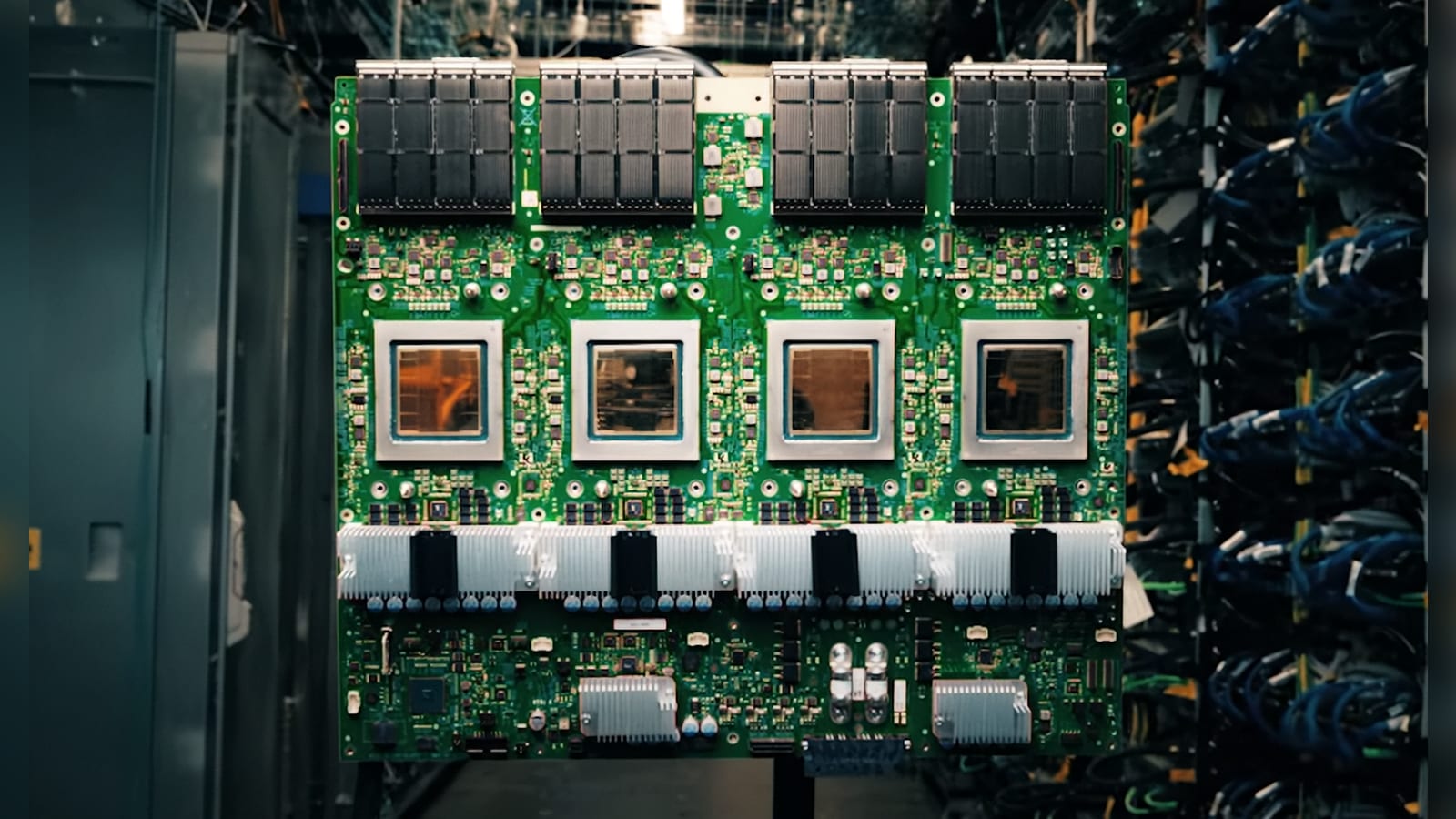
What did Google and Samsung agree to on AI chips?
Google is turning to Samsung to manufacture a future AI chip, The Information reports. The move comes as capacity at leading chip fabrication facilities tightens amid surging AI demand across the industry.
The report does not name the specific chip Google intends to produce at Samsung, but the headline framing — Google turning to Samsung for a future AI chip — makes clear this is a forward-looking production arrangement, not a legacy design. The driver, according to The Information, is straightforward: available slots at advanced fabs are shrinking as AI workloads push demand for leading-edge manufacturing to new highs.
Why is Samsung in a position to take on this work?
Samsung is not sitting still while capacity tightens. The company planned to spend $73 billion on chip expansion and research in 2026, according to Bloomberg. That figure covers both manufacturing expansion and R&D, signaling a broad commitment to competing at the leading edge of chip fabrication.
You might also like
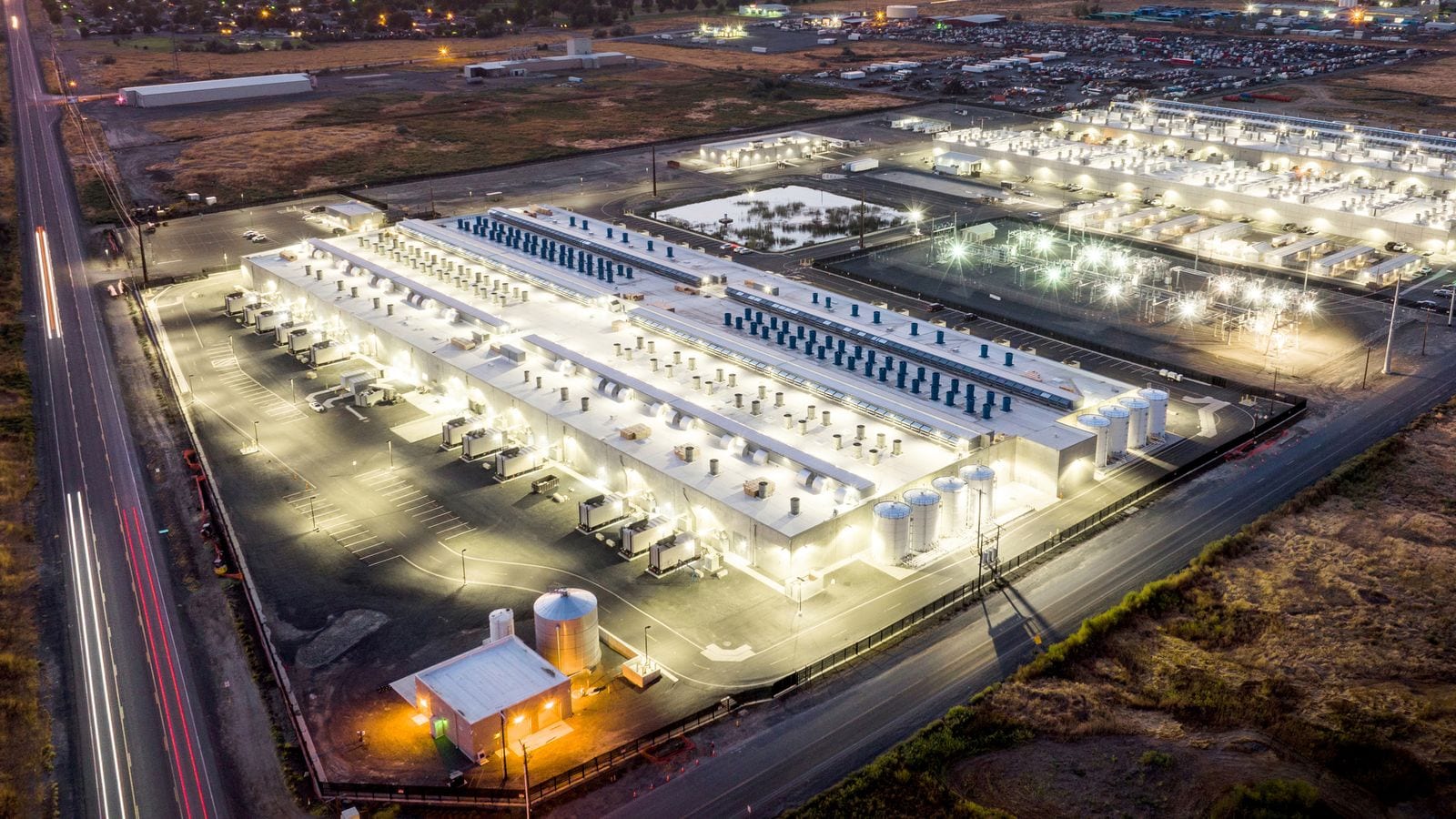

That level of investment puts Samsung in a stronger position to absorb new foundry customers like Google, particularly at a moment when rival TSMC is facing its own allocation pressures from a long queue of AI chip customers.
Is Google also eyeing other foundries for advanced chips?
Yes. Google is not limiting its options to Samsung alone. TrendForce reported that Google, alongside AMD, was eyeing U.S.-based 2nm production at TSMC. Both companies were named as looking at that option as TSMC builds out domestic U.S. capacity at the 2nm node.
TrendForce also noted that Samsung stands to benefit from TSMC's N-2 rules. As customers explore alternatives to TSMC's tightly allocated N-2 capacity, Samsung becomes a natural secondary option — which aligns directly with The Information's reporting that Google is now turning to Samsung for a future AI chip.
AMD's presence in the same TrendForce report underscores that Google is not alone in navigating a constrained foundry market. Multiple large chip buyers are actively spreading production across more than one fab partner.
What does the broader supply picture look like?
The convergence of these reports paints a consistent picture: advanced chip manufacturing capacity is under sustained pressure. Google is responding by adding Samsung as a production partner for at least one future AI chip. Samsung is responding to that demand signal — and to competitive pressure from TSMC — by committing $73 billion to expansion and research in a single year.
TSMC's N-2 rules, as TrendForce describes them, are themselves a symptom of the same tightness. When a foundry sets allocation rules around a node, it typically reflects demand that exceeds available supply. That dynamic is pushing customers like Google and AMD to look at both TSMC's U.S. fabs and Samsung's foundry operations simultaneously.
The result is a multi-foundry strategy taking shape among the largest AI chip buyers — with Samsung positioned as a key beneficiary.


0 Comments
Log in to comment
Not a member yet? Join the community
Pick a meme
KlipyHave a great take?
Drop your email — we'll send a magic link so you can post it. No password.
Not a member of the community? Join today.
Join the community →