What Samsung Is Building for Neuralink
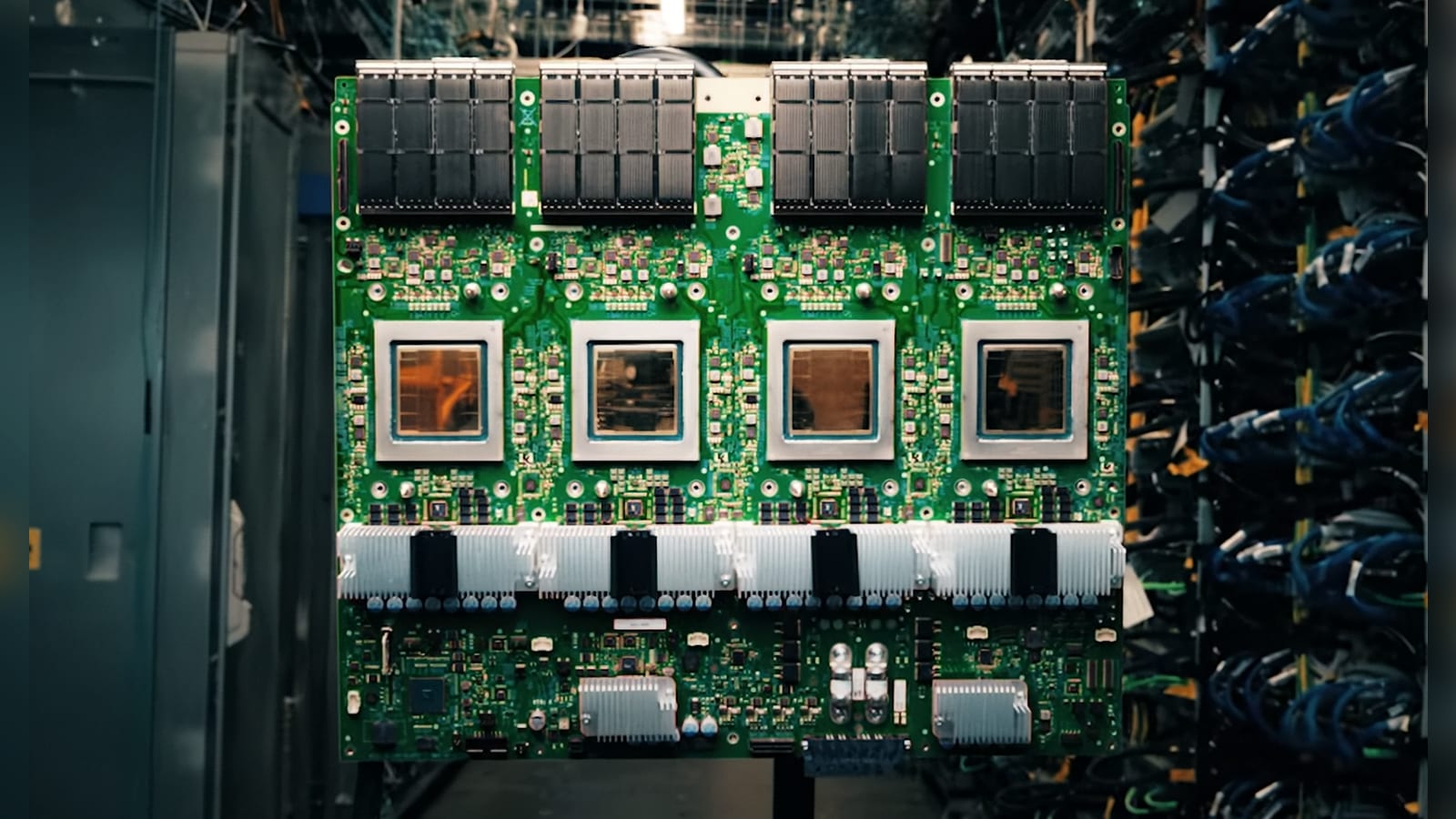
Samsung Foundry is manufacturing the fourth-generation Neuralink chip. It runs on Samsung's 4nm process node. The chip carries the internal codename O1.
Research and development began in late 2025, according to Korean media reports cited by SamMobile. Test production started in May 2026.
Neuralink builds brain-computer interface (BCI) systems. Its implants let users control devices using brain signals alone — no physical movement needed.
What Makes the Fourth-Generation Chip Different
Older Neuralink chips worked in one direction. They read brain signals and sent commands to external devices.
The fourth-generation chip goes further. It supports bidirectional communication. That means it can also send data from devices back into the brain to trigger physical responses.
One example from Wccftech: restoring vision to patients by simulating brain neurons.
You might also like



Production Timeline
Here is what sources have confirmed:
| Milestone | Date |
|---|---|
| R&D began | Late 2025 |
| Test production started | May 2026 |
| First test shipments planned | H1 2027 |
| Mass production target | H2 2027 |
Samsung aims to ship the first test chips in the first half of 2027. If trials go well, mass production starts in the second half of that year.
Why Samsung Chose 4nm Over a Newer Node
The Korea Economic Daily report does not give an explicit reason. But the likely explanation is process stability. Samsung has better yields at 4nm than at its newer nodes.
That stability means more reliable output and on-time delivery — both important for a medical-grade chip.
Samsung's 2nm GAA process has faced yield problems. Bulk orders at that node are not yet economically practical. The company's foundry division has set a profitability target of 2028. Winning contracts at stable, mature nodes helps it get there.
Is TSMC Out of the Neuralink Supply Chain?
TSMC made the third-generation Neuralink chip. Based on this new Samsung contract, TSMC appears to have been dropped — though no source quotes Neuralink or Musk giving a direct reason.
One factor noted by Wccftech: AI demand has pushed TSMC's capacity to its limits. Companies like NVIDIA have placed large orders. TSMC has worked to raise its 3nm monthly wafer output, but demand keeps supply lines under pressure. That congestion gives Samsung an opening.
This mirrors a wider shift in the semiconductor supply chain — one also visible in Nvidia's Vera CPU push and Bezos's Prometheus AI industrial compute bet.
Samsung's Broader Relationship With Musk's Companies
This is not Samsung Foundry's first Musk contract. It already produces Tesla's AI6 and AI6.5 self-driving chips under a long-term deal.
We are watching a clear pattern here: Samsung is becoming a preferred foundry partner across Musk's portfolio of companies. Industry experts cited by Mezha expect that collaboration to keep growing.
Key facts about this deal:
- Chip: Fourth-generation Neuralink BCI chip, codename O1
- Process node: Samsung 4nm
- R&D start: Late 2025
- Test production began: May 2026
- Test shipments planned: H1 2027
- Mass production target: H2 2027
- Previous manufacturer: TSMC (third-generation chip)
- Other Samsung–Musk chips: Tesla AI6 and AI6.5 self-driving chips
This deal also matters for Samsung's foundry recovery. High-profile contracts — even at mature nodes — show customer confidence ahead of its 2028 profitability target.
Compute access is becoming a strategic moat across every AI-adjacent sector. That's relevant whether you're tracking Perplexity's hybrid AI infrastructure or Salesforce's AI acquisitions. The Neuralink deal is one more data point in that story.
The next confirmed milestone: Samsung ships the first batch of Neuralink O1 test chips in H1 2027.


0 Comments
Log in to comment
Not a member yet? Join the community
Pick a meme
KlipyHave a great take?
Drop your email — we'll send a magic link so you can post it. No password.
Not a member of the community? Join today.
Join the community →