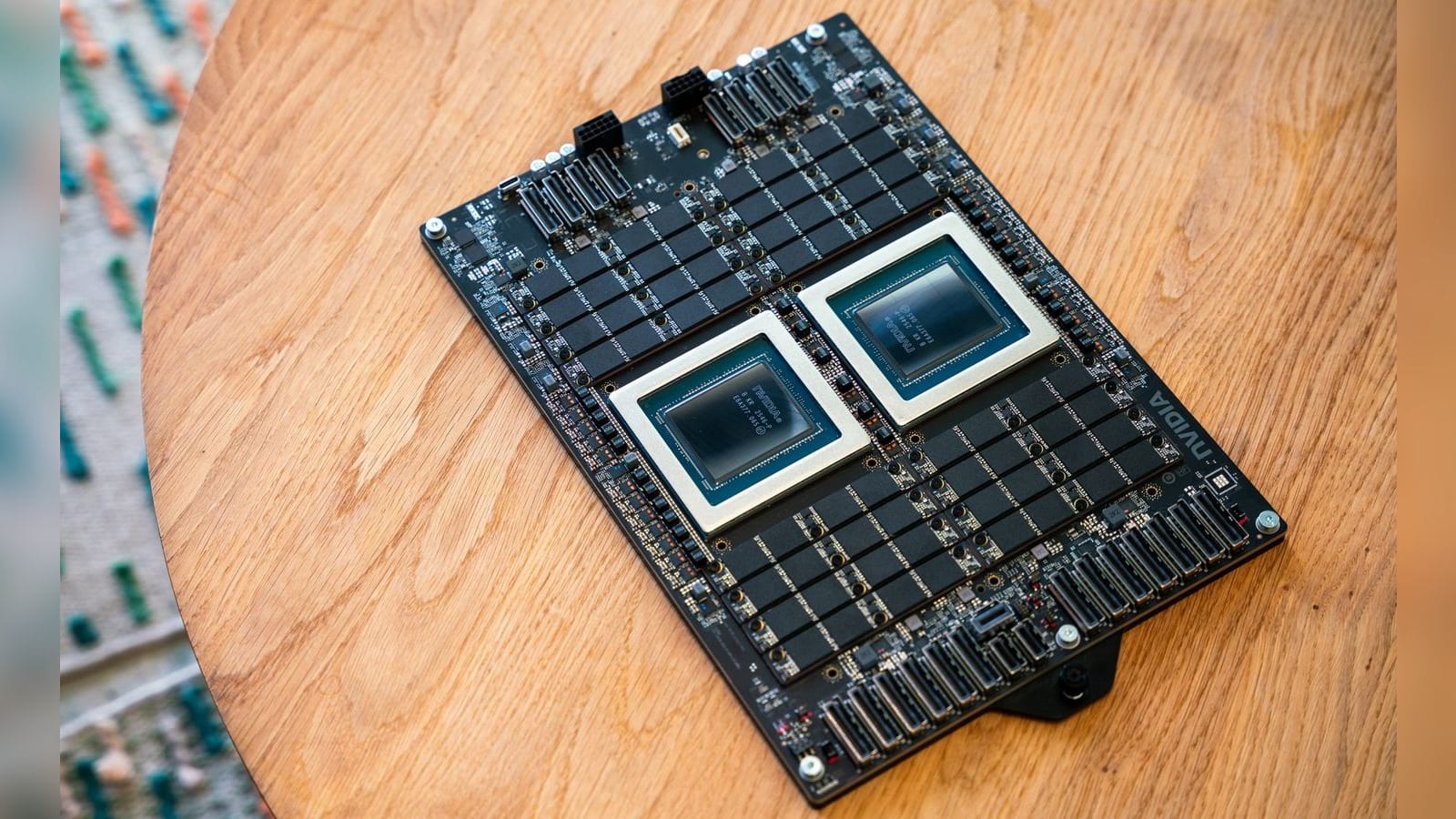
What is Nvidia pitching to China right now?
Nvidia has started pitching its Vera CPU — its first standalone data-centre processor, an Arm-based chip built for agentic AI — to Chinese customers. Orders are open now. Deliveries could begin as early as August 2026, Reuters reported, citing three people familiar with the talks.
The outreach comes as Nvidia's China business has collapsed under US export controls. Jensen Huang said in October that Nvidia's market share in China had fallen to roughly zero.
Why does the Vera CPU face looser export rules than Nvidia's GPUs?
Washington's export controls mainly target high-end GPUs. General-purpose CPUs sit in a different category. That distinction is why Nvidia can pitch Vera in China when its top AI chips remain blocked.
It is not a clean pass. It remains unclear whether Nvidia would even need an export licence for an advanced CPU like Vera. The contrast with GPUs is sharp: the US licensed about 10 Chinese firms to buy the H200, yet not one has been delivered, with Beijing withholding approval to favour domestic chips.
Huang hinted at the opening last month in Taipei. Asked whether Nvidia's CPU forecast included China, he said, "I would think so."
You might also like



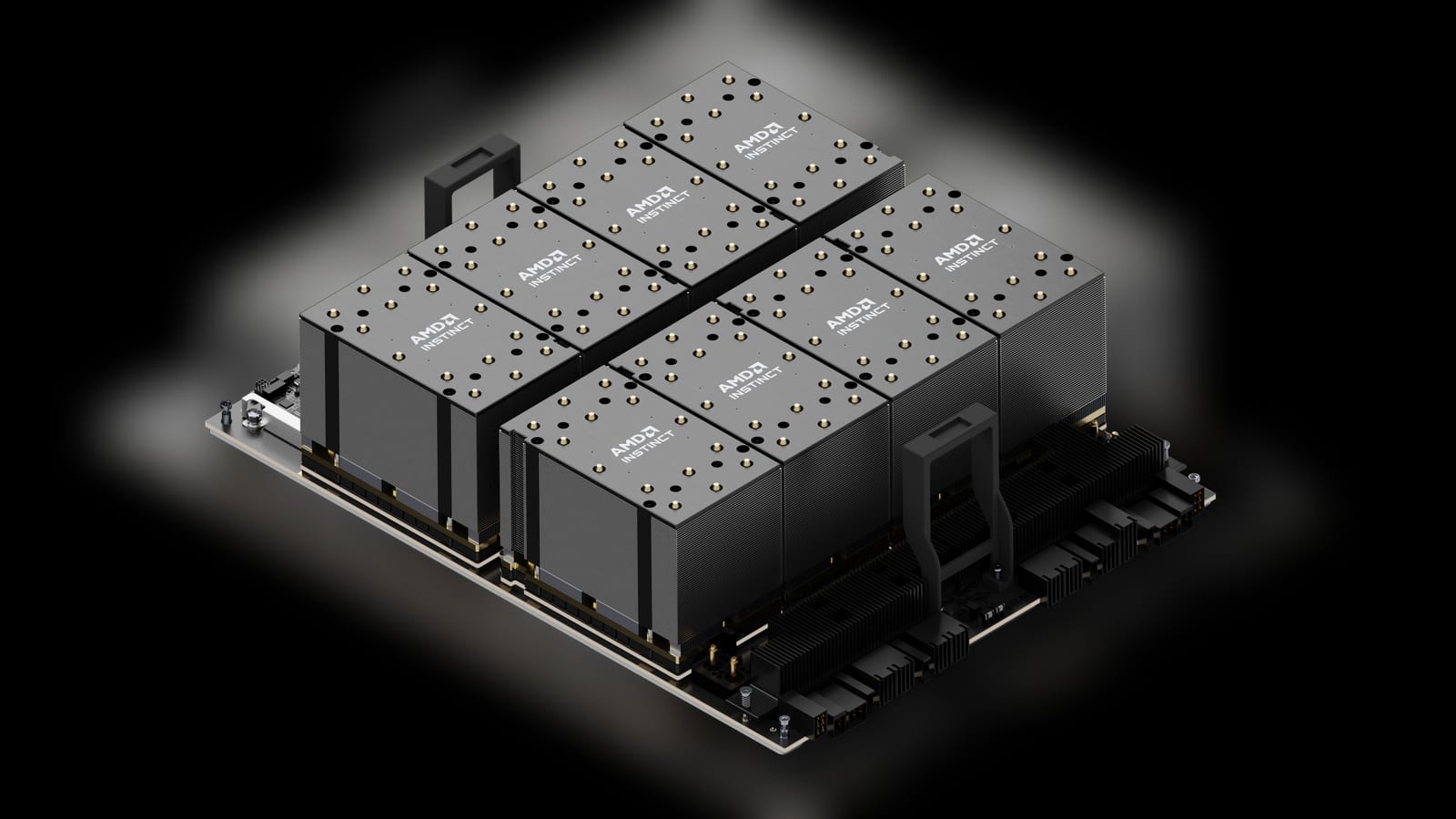
How much does the Vera CPU cost?
| Item | Price |
|---|---|
| Single Vera chip | "Well north" of $20,000 (before discounts) |
| 256-chip rack | About $10 million |
| Nvidia's Vera revenue target (by end of January) | $20 billion |
Nvidia says Vera runs up to 1.8 times faster than rival processors. Anthropic and OpenAI were among its first users, according to The Next Web.
Who are the early Chinese customers?
One major Chinese cloud firm plans to order more than 300 servers, with two Vera chips each, to test the hardware first. For now, Chinese clients plan to run Vera only in their overseas data centres.
Alibaba and ByteDance are named as Vera collaborators, even as China pushes its own chip alternatives. Big deployments are not guaranteed. They depend on software compatibility and the cost of migrating off domestic chips.
How does this fit into the broader AI chip market?
The AI race is shifting from training models to running them. That inference workload leans more on CPUs. Demand is strong enough that Intel has quoted Chinese buyers six-month waits for server CPUs.
Vera puts Nvidia directly into the CPU market that Intel and AMD have long owned with x86 chips. Selling into China, where server CPUs are scarce, widens that competition further.
Beijing is also pushing self-reliance hard. A grey market already exists for blocked Nvidia hardware — B300 servers are reportedly going for about $1 million inside China. Whether Chinese buyers commit to Vera, when they are also building their own alternatives, remains the real question around that August deadline.
Here's what we know so far: Nvidia has a legal route to sell something in China again, but its top GPUs stay blocked, and adoption of Vera depends on factors — software migration costs, Beijing's domestic chip push — that the sources flag but cannot resolve.
What does this mean for Nvidia's China revenue?
Nvidia's H200 shipments to China have stalled for months, per Economic Times reporting. The Vera CPU pitch is a direct response to that stall. Nvidia expects $20 billion in Vera revenue by the end of January — China is too large a market to exclude from that target.
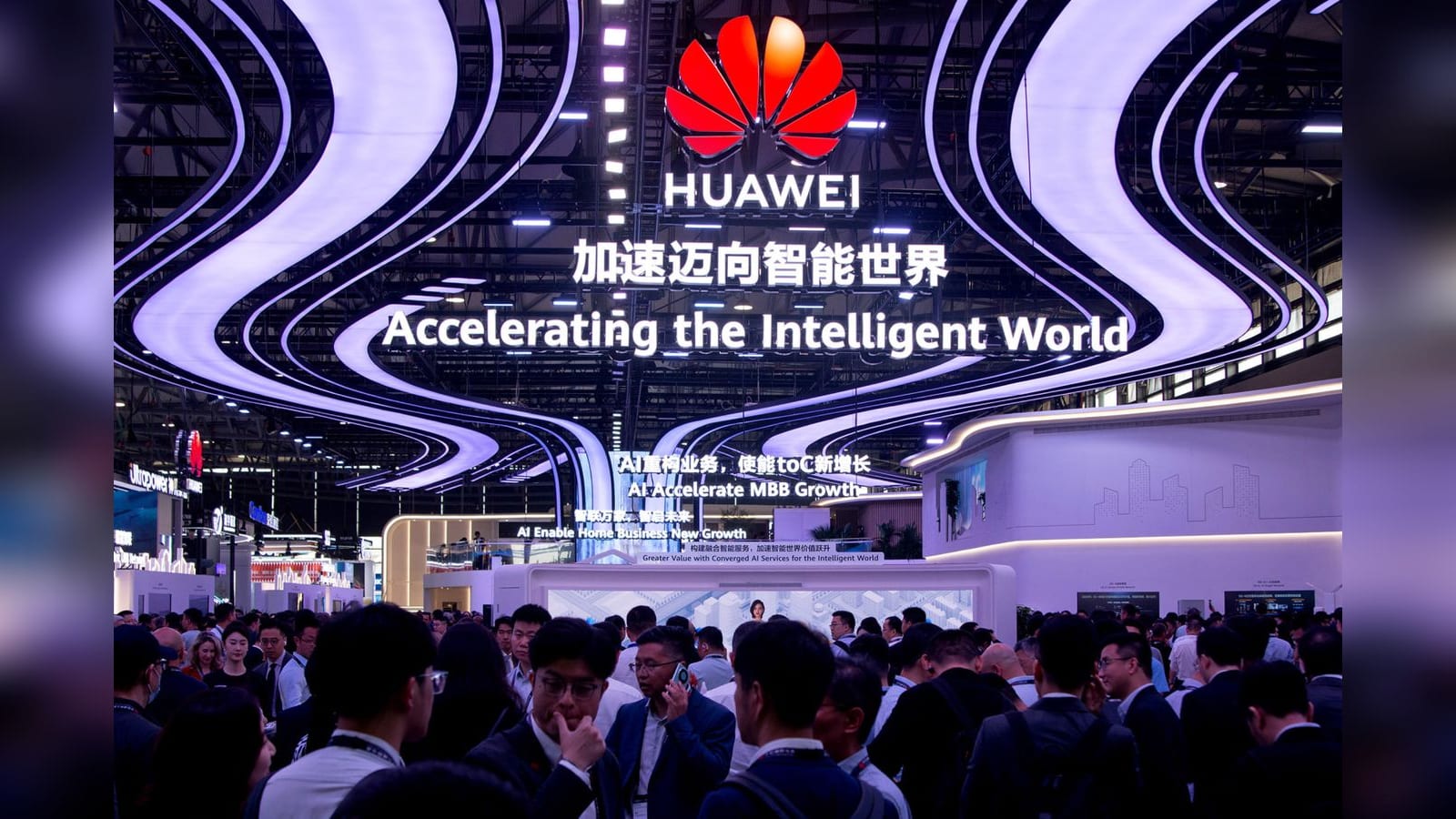
The timing also matters for Nvidia's competitive position. Just as the company faces pressure from domestic Chinese chip efforts — similar to the Huawei HarmonyOS AI push reshaping the local tech stack — it needs alternative revenue streams in the region.
For builders watching US export controls shape the AI hardware landscape, Nvidia's CPU pivot is a concrete example of how chip companies adapt their product mix when GPU sales are blocked. It also echoes the kind of tech sovereignty pressure that governments worldwide are applying to AI supply chains.
The confirmed next milestone: deliveries of the Vera CPU to Chinese customers could begin as early as August 2026.



0 Comments
Log in to comment
Not a member yet? Join the community
Pick a meme
KlipyHave a great take?
Drop your email — we'll send a magic link so you can post it. No password.
Not a member of the community? Join today.
Join the community →