
What did OpenAI just file with the SEC?
OpenAI filed confidential IPO paperwork with the U.S. Securities and Exchange Commission on June 8, 2026. The company is valued at $852 billion. A confidential filing lets a company submit its financials to regulators before those documents become public.
OpenAI said in a statement: "We expect it to leak so we're just announcing it." The company added it has "not decided on timing yet" and that "it may be a while because there are things we want to do that are likely easier as a private company."
Who are the other AI companies racing to go public?
OpenAI is the third in a trio of major AI companies moving toward Wall Street debuts. Here's where each stands:
| Company | Filing Date | Status |
|---|---|---|
| Anthropic | June 1, 2026 | Confidential SEC filing |
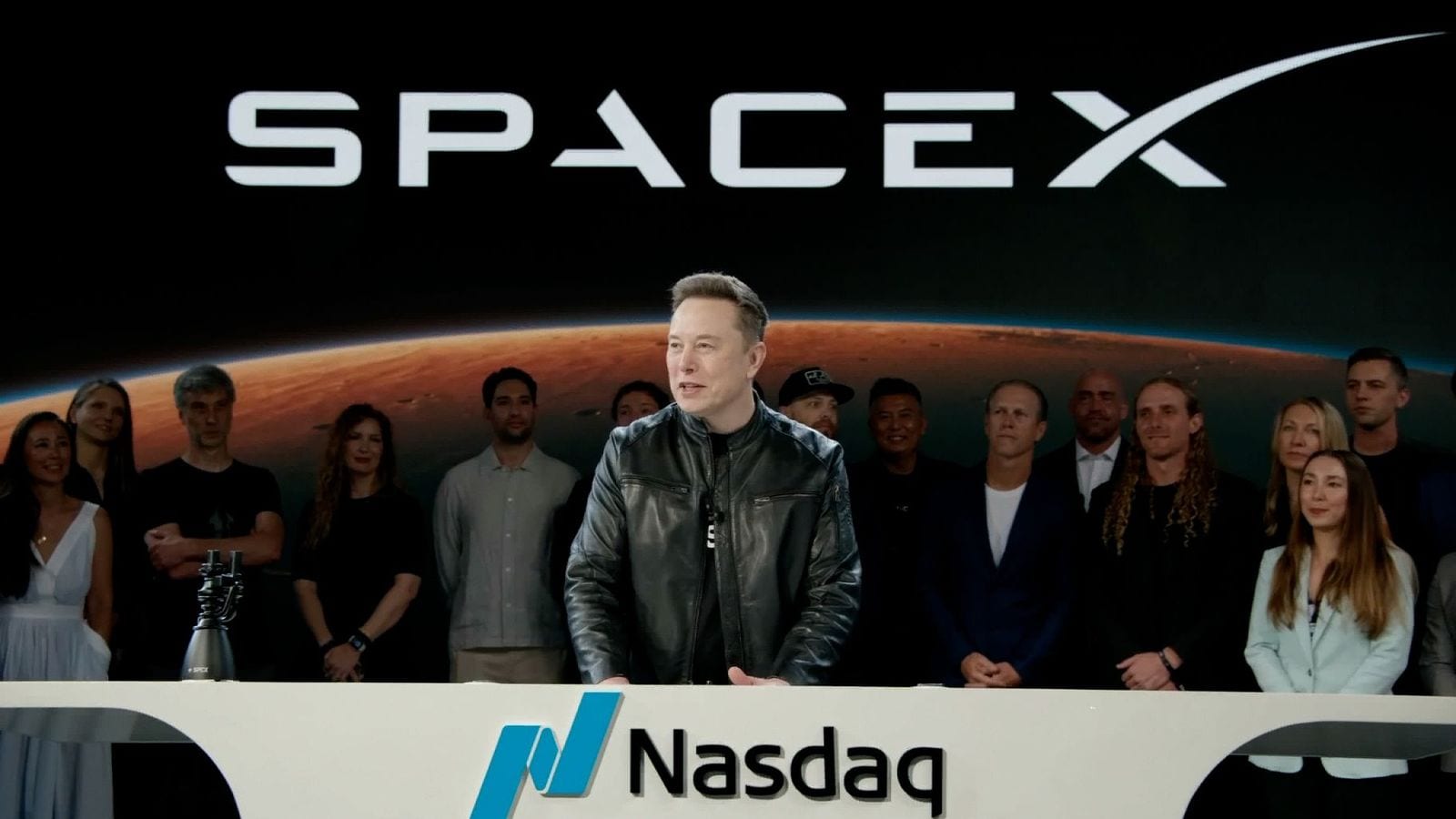
| SpaceX | Before June 8, 2026 | IPO roadshow underway |
| OpenAI | June 8, 2026 | Confidential SEC filing |
According to CNBC's reporting, the three companies could end up leading the three largest IPOs on record.
SpaceX has already started its roadshow, pitching itself as an AI-focused space company. Our read of the filings landscape: this is a concentrated burst of AI IPO activity unlike anything the market has seen before.
When could OpenAI actually go public?
OpenAI has been gearing up to go public as soon as the fourth quarter of 2026, per CNBC. But the company was careful to leave itself room. It said the IPO timing involves "a complicated set of tradeoffs" and that the filing "gives us the option to go public sooner if that ends up being best."
CEO Sam Altman first publicly floated an IPO last fall. He described it as the "most likely path" for the company given its size and the capital required to advance its technology.
You might also like

What did OpenAI's CFO say about going public?
CFO Sarah Friar spoke to both CNBC and the Associated Press in April. She said OpenAI is already "acting with the good hygiene of a public company," including measuring revenue the way a publicly traded firm would report to the SEC.
"I want us to be ready," Friar told the AP. "I think it's good to be able to tap the public markets. They're much bigger than the private markets."
Friar also said OpenAI's current valuation would make it one of the 15 biggest companies in the S&P 500. She described going public as a "credentializing moment," saying: "At that point, people are checking your balance sheet, the SEC is governing you and so on."
What obstacles did OpenAI clear before filing?
Two major hurdles came off the board before the filing. First, OpenAI reorganized its business structure last year, converting itself into a public benefit corporation. It remains technically under the control of a nonprofit.
Second, OpenAI won a federal jury trial against co-founder Elon Musk last month. Musk had sued the company seeking to remove Altman from leadership and unravel the for-profit conversion. A judge dismissed the case after the jury found Musk filed his lawsuit too late.
For context on how SpaceX's IPO has already moved markets, that story is worth reading alongside this one.
What is the competitive pressure OpenAI faces?
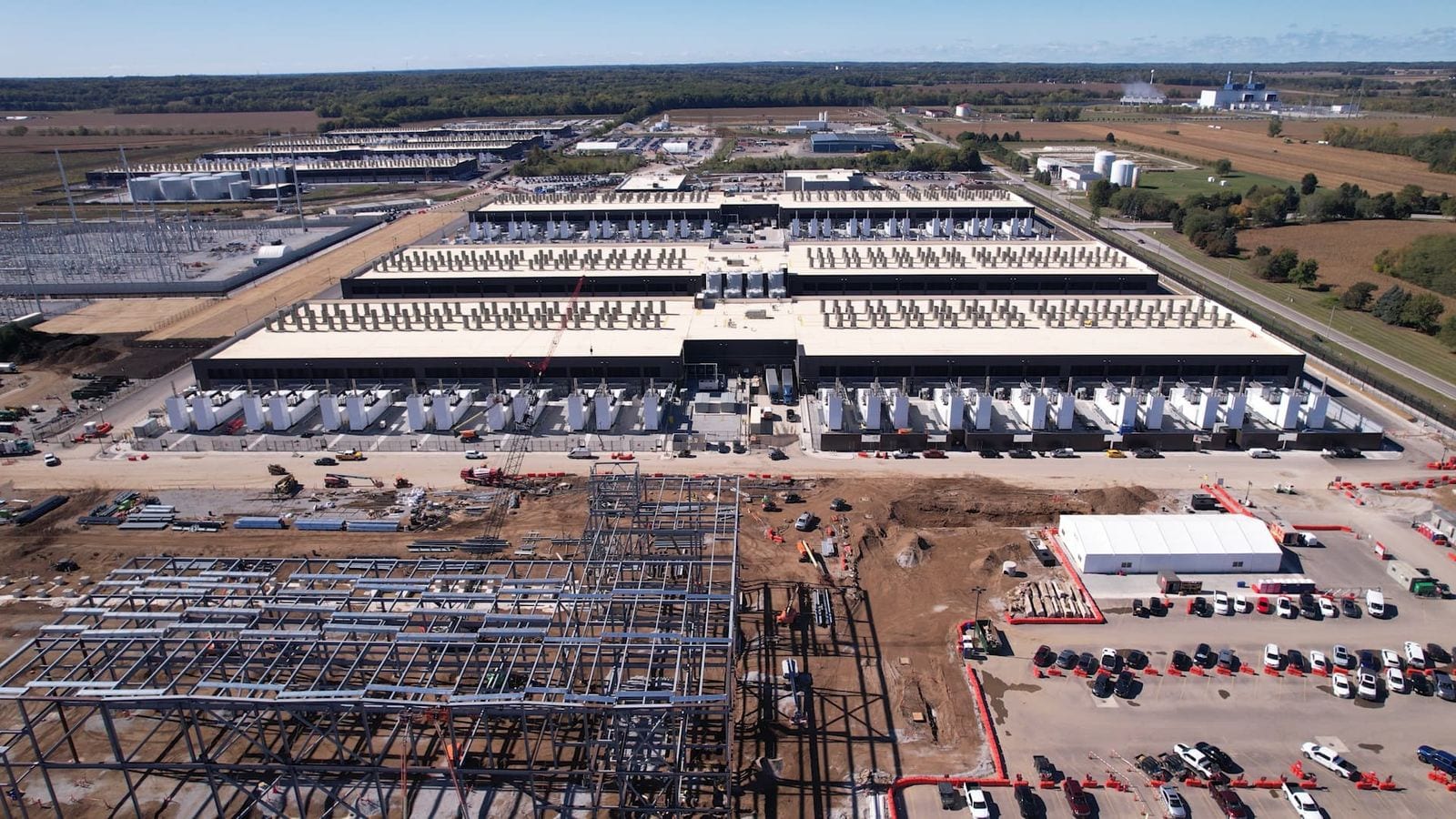
OpenAI has not publicly disclosed how much money it makes or when it plans to turn a profit. Like Anthropic and SpaceX, it spends more than it earns because of the high cost of building AI infrastructure.
Emarketer analyst Nate Elliott said the filing comes at a "precarious moment" for OpenAI. He said the company appears to be losing ChatGPT's early leads with consumers and businesses to Google and Anthropic. "But OpenAI doesn't have a lot of other places to look for the enormous capital required to support its costs," Elliott said, as reported by ABC News.
OpenAI faces direct competition from Anthropic's Claude chatbot and Google's Gemini. The Perplexity CEO's comments on revenue offer useful context on how AI product companies are thinking about monetization right now.
What did Sam Altman say alongside the filing?
Altman published a separate statement the same day as the filing. He outlined three goals for OpenAI: building an automated AI researcher, accelerating economic growth, and giving "everyone on Earth a personal AGI." AGI, or artificial general intelligence, refers to a form of AI that surpasses humans at many tasks.
Altman said OpenAI is moving into a third phase involving a "broad distribution of power" as the economy reshapes around AI. He said the company is "working to ensure the gains are widely shared."
The statement followed Altman's visit with Sen. Bernie Sanders, who is pushing a plan for the public to take a 50% ownership stake in AI companies. President Donald Trump also made comments embracing giving the public a stake in AI's growth.
The ARIAM AI content coalition and Meta's AI workforce moves are two other stories showing how the broader AI industry is positioning itself around public accountability and governance right now.
OpenAI began in 2015 as a nonprofit dedicated to developing AI for the common good. It is now valued at $852 billion and has a potential IPO window opening as early as Q4 2026.


0 Comments
Log in to comment
Not a member yet? Join the community
Pick a meme
KlipyHave a great take?
Drop your email — we'll send a magic link so you can post it. No password.
Not a member of the community? Join today.
Join the community →