What did Goldman Sachs warn about AI trading?
Goldman Sachs trader Lee Coppersmith warned on June 15, 2026 that the era of simply buying every AI-related stock is over. In a report flagged by Futunn and Wall Street CN, Coppersmith said investors have started to "tap the brakes" on AI trades. The broad AI narrative still holds, but internal differentiation is accelerating fast.
Why are investors pulling back on AI trades?
Coppersmith cited three reasons investors are slowing down on AI positions.
- The market needs to consolidate after a strong prior rally.
- Leverage has built up and positions have become overly concentrated.
- Investors are reassessing cyclical opportunities outside AI, helped by easing geopolitical risks, falling oil prices, and reduced rate pressures.
He was clear this is not a wholesale bearish call on AI. Semiconductors remain the most direct beneficiaries of AI infrastructure spending, and demand from hyperscale cloud providers stays robust. Earnings revisions for the AI sector as a whole remain resilient.
How wide has the return gap inside AI stocks become?
The numbers are striking. The standard deviation of returns across an AI-related equity basket surged to 53 percentage points in Q2 2026 — the highest level recorded since ChatGPT launched, according to Bitget's coverage of the Coppersmith report.
Structurally, the split is clear:
You might also like



| Segment | Recent Return Trend |
|---|---|
| Infrastructure-layer companies | Generally positive |
| Application-layer companies | Mixed results |
This split means the old strategy of buying AI stocks indiscriminately no longer works. Investors must now assess where a company sits in the AI value chain before buying.
Here's what we know so far: the divergence is structural, not temporary. Coppersmith says future alpha will depend on granular assessment of value chain position, earnings realization capability, and valuation.
What does Goldman Sachs prime brokerage data show about positioning?
Hedge fund positioning in AI and tech remains historically elevated, even as the broad trade fragments. According to Goldman Sachs prime brokerage data:
- Hedge funds posted net purchases of global equities for four consecutive weeks, sitting 0.8 standard deviations above the one-year average.
- Net buying of U.S. equities accelerated at its fastest pace since November 2025, running 2.1 standard deviations above average.
- Most of that recent buying came from short covering, not new long positions.
- Even during the latest tech selloff, net selling in information technology was modest at just −0.7 standard deviations.
- Semiconductor exposure was largely unchanged through the pullback.
- Gross and net tech exposure sit at the 92nd/98th percentiles on a one-year basis and the 95th/99th percentiles on a five-year basis.
Coppersmith's read: positioning is still net long, but panic selling has not emerged.
Are cloud providers still spending heavily on AI infrastructure?
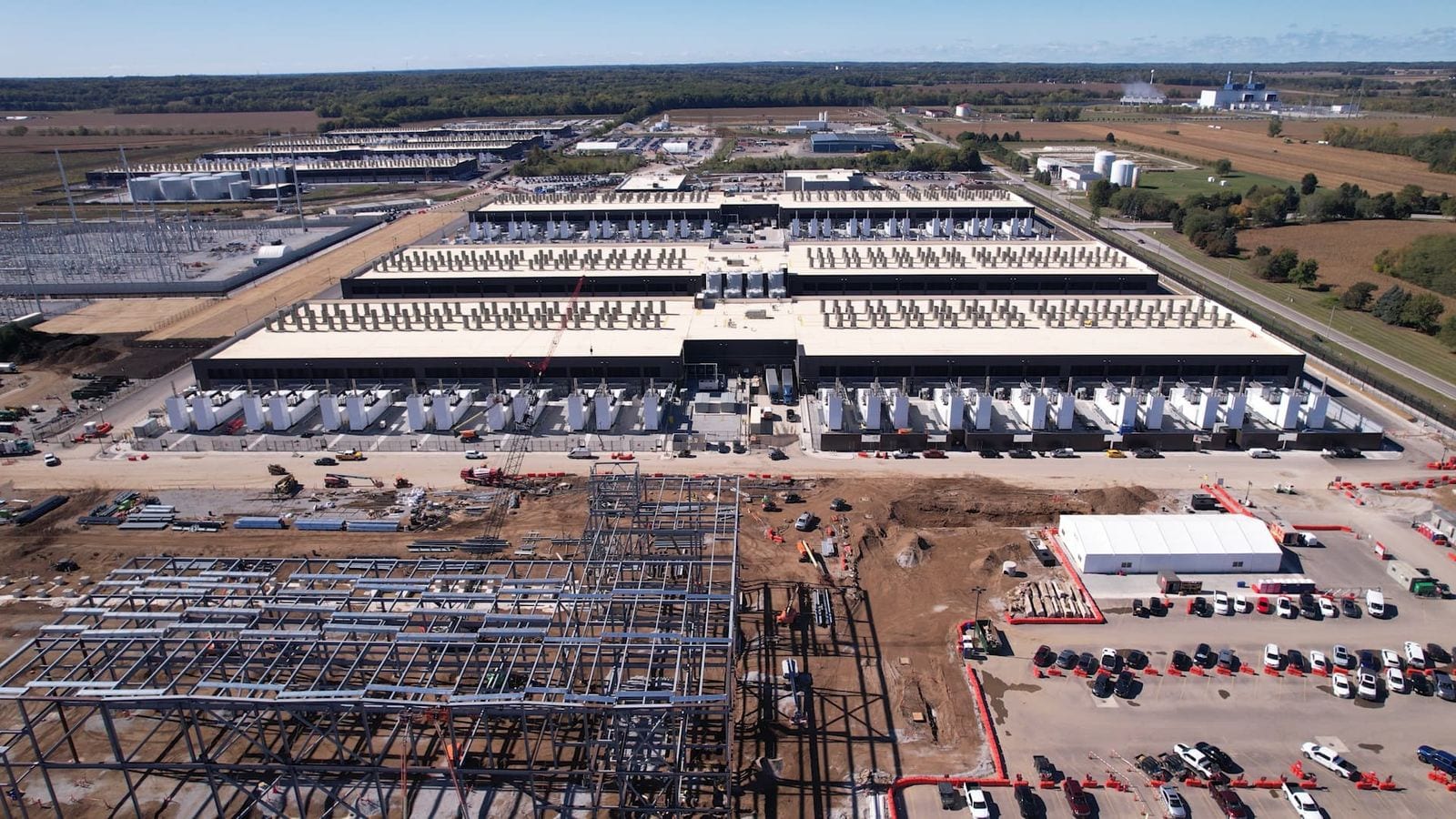
Yes — and that spending is now a pressure point. Consensus expectations put cloud provider AI capital expenditure at roughly $770 billion this year. That figure is nearly equal to their entire operating cash flow.
The financial strain is visible in three ways:
- Share repurchases have shrunk significantly.
- Net leverage has risen by about $170 billion since early 2025.
- Share counts have started rising again — reversing years of buyback-driven reductions.
For a decade, the market paid premium multiples for cloud providers' high-margin, asset-light models and steady buybacks. Massive AI infrastructure outlays are rewriting that logic. Coppersmith said the market reached a key turning point: investors are no longer willing to pay for the "build-out story" and are now demanding visible returns on capital.
What does this mean for AI stock selection?
The shift from broad thematic buying to stock-by-stock selection raises the stakes for every portfolio manager. Goldman Sachs is watching whether the divergence widens further and whether capital rotates into non-AI sectors. This connects to a broader debate about AI investment returns that Goldman Sachs has been tracking publicly.
For builders and founders watching the AI workforce shift at major tech companies, the same dynamic applies: infrastructure bets are being rewarded; application-layer bets are under scrutiny. Companies like those in the AI content coalition space, which sit at the application layer, face exactly the kind of investor skepticism Coppersmith describes.
The Perplexity revenue story is a useful contrast — a company that has shown concrete revenue growth in the application layer at a time when most app-layer AI stocks are delivering mixed results.
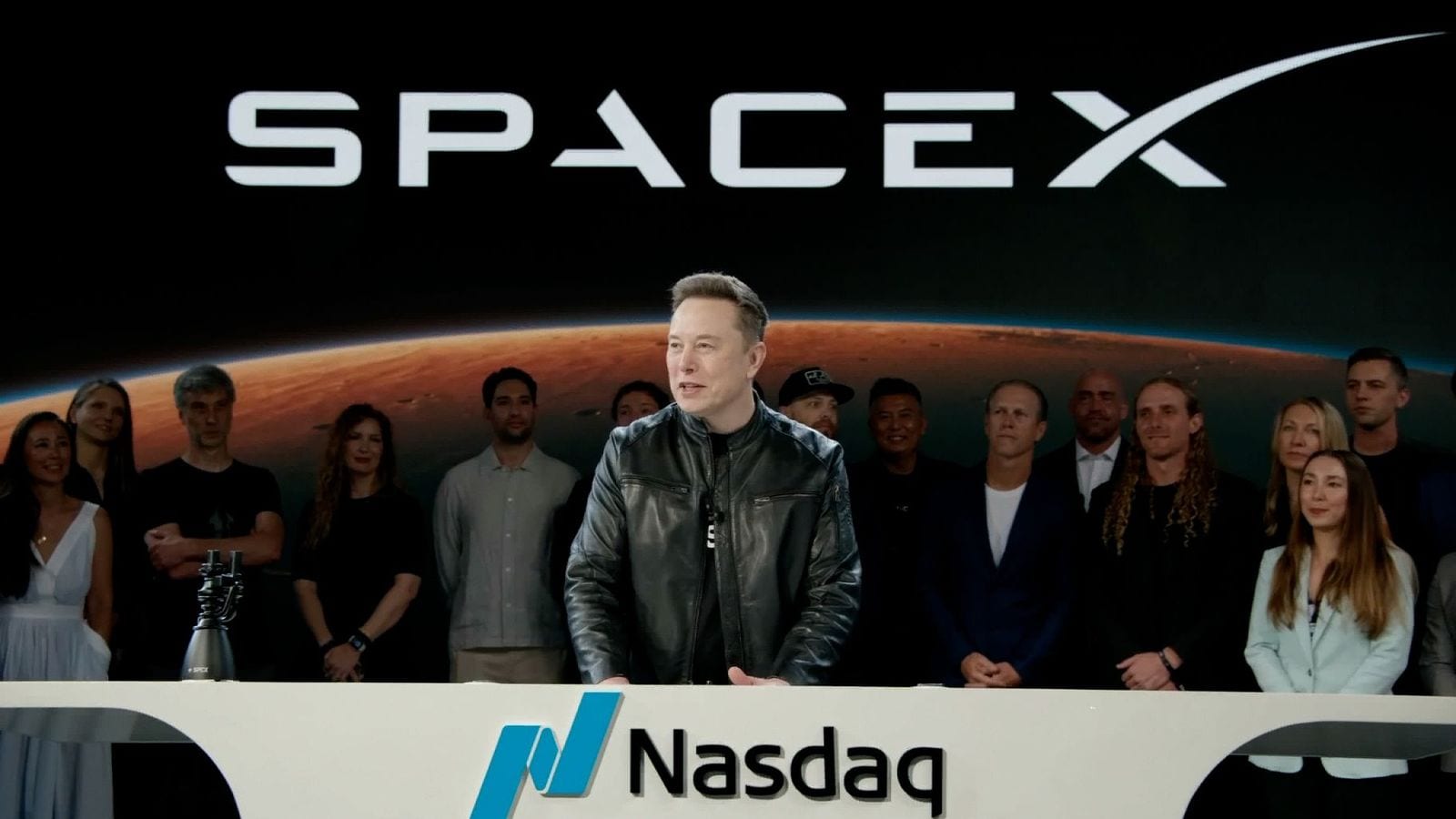
Goldman Sachs is also watching whether SpaceX-style capital events — where a single company's momentum reshapes sector flows — could accelerate rotation out of AI into other growth names.
The most confirmed fact from Coppersmith's report: the standard deviation of AI equity basket returns hit 53 percentage points in Q2 2026, the highest since ChatGPT launched, and Goldman Sachs expects the "prove-the-returns" phase to define the next leg of AI investing.

0 Comments
Log in to comment
Not a member yet? Join the community
Pick a meme
KlipyHave a great take?
Drop your email — we'll send a magic link so you can post it. No password.
Not a member of the community? Join today.
Join the community →