What is Qualcomm reportedly paying for Tenstorrent?
Qualcomm is in talks to acquire AI chip startup Tenstorrent for $8 billion to $10 billion, The Information reported on June 15, citing a person with knowledge of the deal. Qualcomm shares fell about 1% in extended trading after the report.
The talks are ongoing. The price could change, or the discussions could fall apart entirely. It is also not clear whether the final price will include performance-based milestone payments, a structure previously used to acquire chip startups.
Who is Jim Keller and what does Tenstorrent build?
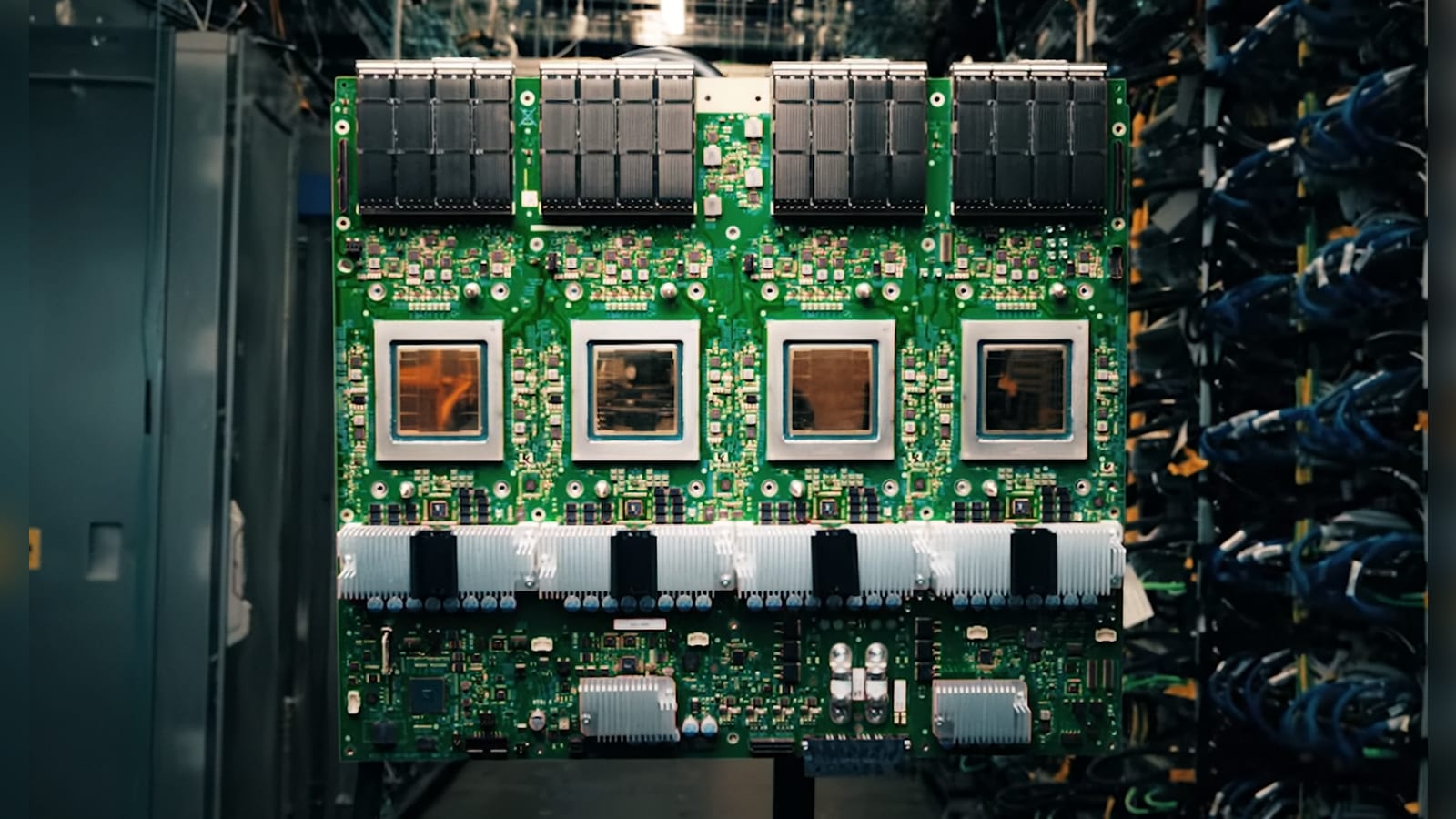
Tenstorrent is an AI chip startup founded in 2016 that designs accelerators for training AI models and running AI applications. The company is headquartered and led by Jim Keller, who became CEO in 2025.
Keller's background spans some of the most significant chip projects of the past two decades. He worked on Apple's A-series chips, Tesla's autopilot silicon, AMD's Zen architecture, and Intel's CPU group. He joined Tenstorrent as CTO in 2020 before taking the top role.
The company builds RISC-V-based AI accelerators using Ascalon CPU cores and Tensix AI cores. It sells both packaged silicon and licensable IP — an unusual hybrid model for a chip startup, according to The Next Web.
What was Tenstorrent's valuation before these talks?
Tenstorrent's fundraising history shows rapid valuation growth over a short period. Here's the timeline:
You might also like




| Date | Event | Valuation |
|---|---|---|
| December 2024 | Series D closed | $2.6 billion |
| November 2025 | Fundraising talks with Fidelity Management | $3.2 billion (pre-money) |
| June 2026 | Reported acquisition talks with Qualcomm | $8–$10 billion |
The $3.2 billion figure from November 2025 sets the floor that any acquirer would need to clear, with a strategic acquisition premium on top.
Existing investors include Bezos Expeditions, LG Electronics, Baillie Gifford, and the Healthcare of Ontario Pension Plan. The company also reportedly holds roughly $150 million in customer contracts, including manufacturing arrangements with Samsung and automotive-AI commitments with Hyundai.
Why is Qualcomm interested in an AI chip acquisition?
Qualcomm is one of the world's largest suppliers of smartphone chips. The company has been working to reduce its dependence on the cyclical handset market by expanding into data center processors and autonomous vehicle chips.
Acquiring Tenstorrent would give Qualcomm a licensable IP block and a non-Arm CPU roadmap — Tenstorrent's platform is built on RISC-V, not Arm architecture, which is the foundation of Qualcomm's existing smartphone SoC business.
Here's what we know so far: Qualcomm has not confirmed the discussions on the record, and neither has Tenstorrent. Reuters could not independently verify The Information's report.
Was Intel also in talks with Tenstorrent?
Yes. Bloomberg reported in May 2026 that both Intel and Qualcomm had held early-stage takeover conversations with Tenstorrent. Those talks were described as conversational rather than transactional at the time.
Intel's interest was framed around its need to reposition against Nvidia in the AI training market. Intel's discrete accelerator strategy had struggled after its Gaudi line underperformed against expectations, according to The Next Web's reporting on the Bloomberg story.
By June 15, the reported talks had advanced specifically with Qualcomm, with The Information citing a concrete price range of $8 billion to $10 billion.
What is the competitive backdrop for RISC-V AI chips?
Tenstorrent is not operating in a vacuum. The broader market for Nvidia alternatives has been active in 2026. Nvidia itself has committed over $40 billion of AI equity investments in 2026. Cerebras has filed to go public on an inference-optimized pitch. Groq has been raising at rising valuations through 2025.
For builders tracking AI chip strategy, Tenstorrent's RISC-V positioning is notable. Most AI accelerator startups are built on Arm or proprietary ISAs. Tenstorrent's licensable RISC-V model is what makes it a distinct asset for either a smartphone-focused buyer like Qualcomm or a data center player like Intel.
The AI observability and infrastructure layer is also expanding rapidly alongside hardware — a trend that makes chip-level acquisitions like this one more consequential for the full stack.
Qualcomm's move also fits a broader pattern of semiconductor companies diversifying away from their core markets. The same supply chain pressures affecting iPhone component timelines are pushing chipmakers to lock in positions across the AI hardware stack.
Developers watching AI platform consolidation should note that hardware acquisitions at this scale tend to reshape which inference and training platforms remain independent.
The most concrete next step the sources confirm: Qualcomm and Tenstorrent have not responded to comment requests, and the deal price remains unconfirmed and subject to change.



0 Comments
Log in to comment
Not a member yet? Join the community
Pick a meme
KlipyHave a great take?
Drop your email — we'll send a magic link so you can post it. No password.
Not a member of the community? Join today.
Join the community →