What did NHTSA announce about Zoox's robotaxi petition?
NHTSA — the National Highway Traffic Safety Administration — opened a public comment period on March 10, 2026, on a petition from Zoox to deploy up to 2,500 robotaxis without steering wheels or manual controls. Zoox is owned by Amazon. The vehicles would have no steering wheel, no brake pedal, and no mirrors.
According to programbusiness.com, Zoox originally filed the petition in August. The company argues its vehicles would provide at least an equivalent level of safety compared with human-driven vehicles.
What exemptions is Zoox requesting from federal safety rules?
Zoox is asking NHTSA to waive eight federal vehicle safety standards. Those standards were written for vehicles operated by human drivers. They include requirements tied to steering wheels, pedals, and mirrors.
Under federal law, NHTSA can grant petitions allowing manufacturers to deploy up to 2,500 vehicles per year without required human controls. Before approving any such request, the agency must confirm two things: the vehicles offer equivalent safety, and the exemptions serve the public interest.
What did Transportation Secretary Sean Duffy say?
U.S. Transportation Secretary Sean Duffy addressed the Zoox petition at a forum. He called it a significant step for the industry.
"This marks a major milestone towards providing the American AV industry with a streamlined pathway to scaled commercial deployment of novel AV fleets," Duffy said.
You might also like

Duffy also said he approved the next round of proposed revisions to Federal Motor Vehicle Safety Standards — revisions that would address vehicles designed to operate without human drivers.
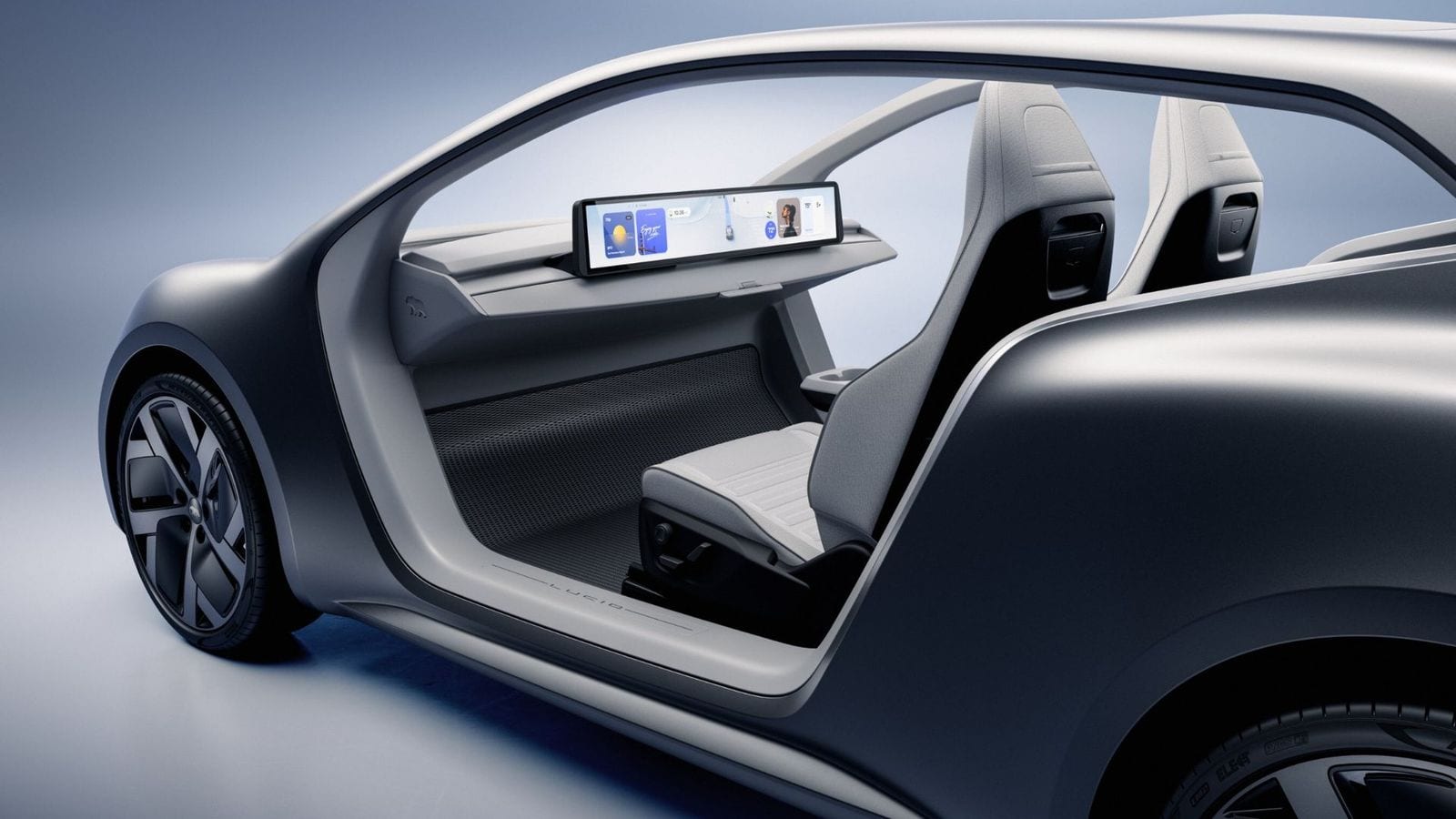
What does the Zoox robotaxi actually look like?
Zoox unveiled its fully autonomous electric robotaxi in December 2020. The vehicle was designed from the ground up for autonomous operation, not modified from a traditional car.
It has a top speed of 75 miles per hour. The interior features campfire-style or carriage-style seating, allowing passengers to face one another.
Here's what we know so far: this is a purpose-built vehicle, not a retrofit — which is why it requires exemptions from safety rules that assume a human is sitting behind a wheel.
How long has NHTSA been reviewing autonomous vehicle exemptions?
The review process has been slow. NHTSA has spent years reviewing similar exemption requests without reaching final decisions.
In 2025, the agency said it would work to streamline reviews for automakers seeking to deploy autonomous vehicles without standard human controls. Automakers had previously expressed frustration with the pace of those reviews.
Current law does not require NHTSA approval for fully self-driving vehicles if they still include standard human controls. The exemption process only applies when manufacturers want to remove those controls entirely.
What happened with earlier AV exemption petitions?
Other automakers have pursued similar exemptions before Zoox. The outcomes are worth noting:
| Company | Petition Filed | Outcome |
|---|---|---|
| General Motors | 2018 | Withdrawn in 2020 |
| General Motors | 2022 | Withdrawn in October 2024 |
| Zoox | August 2025 | Under public comment as of March 2026 |
As autoblog.com reports, NHTSA has been moving to ease rules and advance driverless car technology more broadly, which sets a different backdrop for the Zoox petition compared to earlier GM attempts.
What are the key facts about the Zoox petition timeline?
- August 2025 — Zoox files petition with NHTSA to deploy up to 2,500 steering-wheel-free robotaxis
- 2025 — NHTSA announces plans to streamline AV exemption reviews
- March 10, 2026 — NHTSA announces public comment period on the Zoox petition
- March 13, 2026 — Transportation Secretary Duffy calls the petition a "major milestone" at a public forum
The broader push to rethink how machines operate in physical spaces — from autonomous vehicle hardware design to AI governance frameworks — is reshaping regulatory thinking across sectors. The Zoox case sits squarely in that shift.
Separately, the rise of purpose-built autonomous systems, whether humanoid robots or driverless vehicles, is forcing regulators worldwide to rewrite rules that assumed a human operator was always present.
NHTSA is currently collecting public comments on the Zoox petition as the next formal step in its review process.
0 Comments
Log in to comment
Not a member yet? Join the community
Pick a meme
KlipyHave a great take?
Drop your email — we'll send a magic link so you can post it. No password.
Not a member of the community? Join today.
Join the community →