What did Jefferies warn about AI stocks?
Jefferies strategist Christopher Wood warned that the AI-driven stock rally faces elevated near-term correction risk. In his GREED & Fear note, Wood cited rising bond yields, stretched investor positioning, and a coming wave of mega IPOs as the key threats. He stopped short of calling it the end of the AI story but said risks had "increased significantly" for a near-term major reset in the AI trade, according to Economic Times reporting on the note.
What is the SpaceX IPO, and why does it matter here?
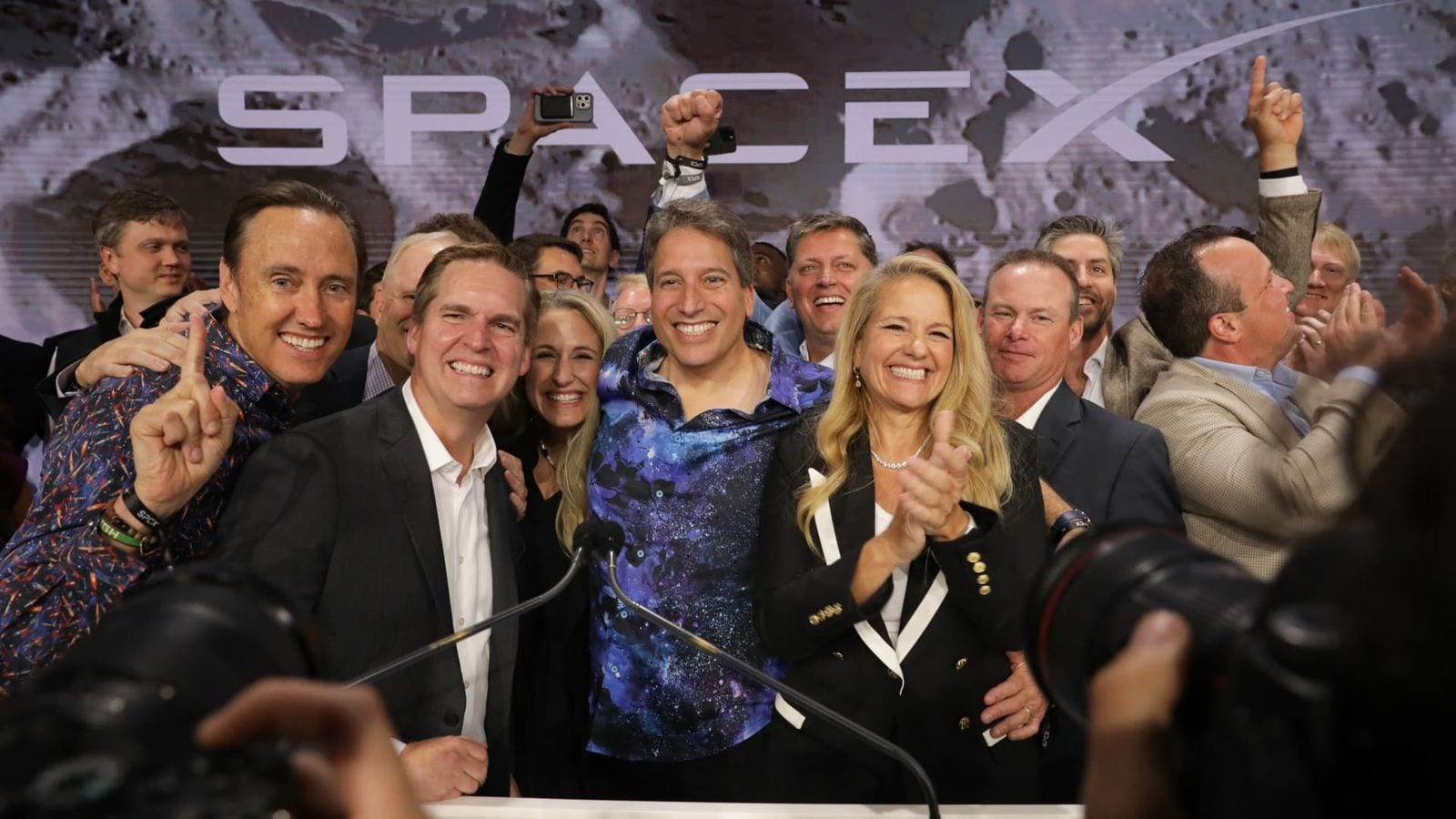
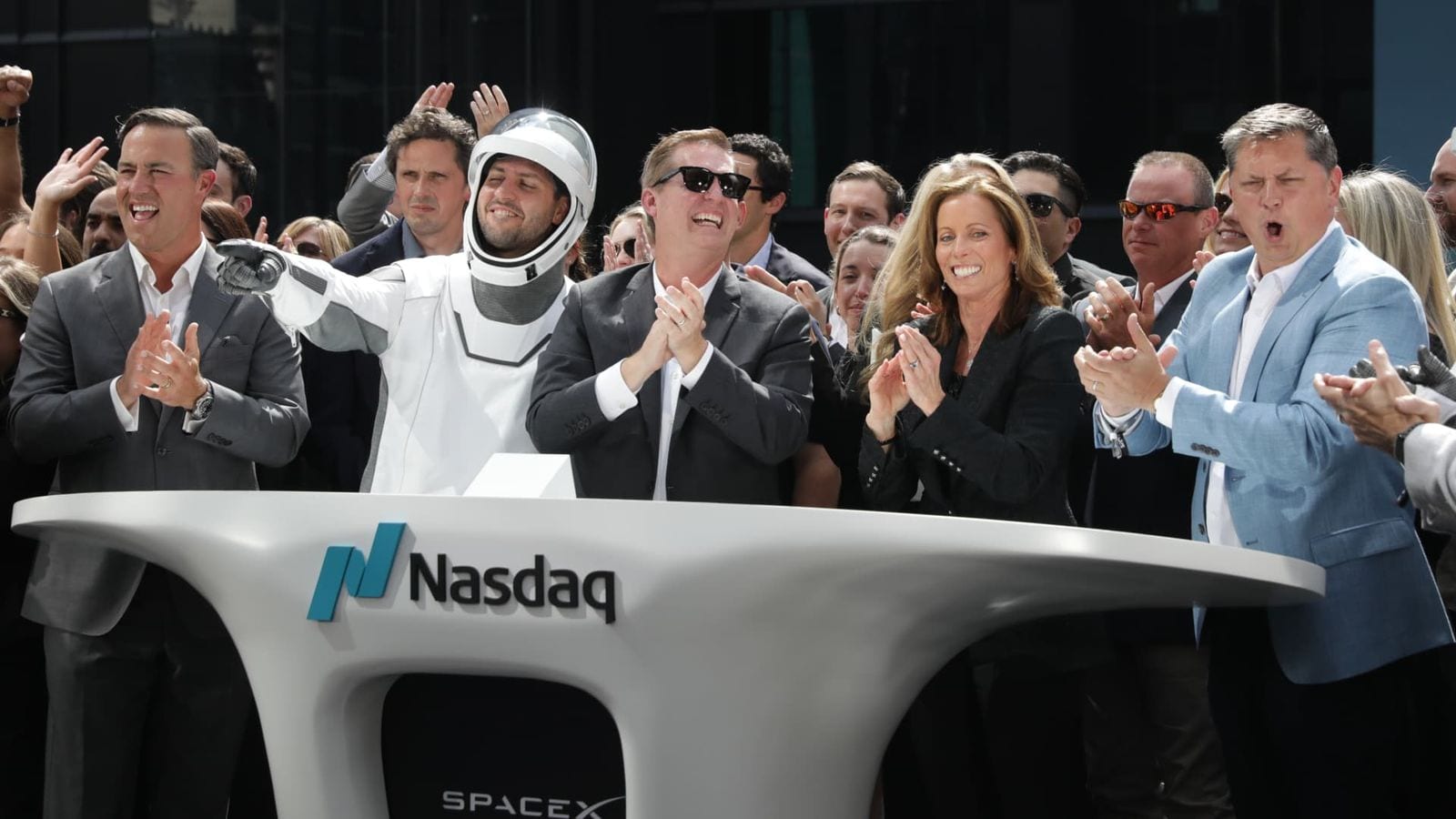
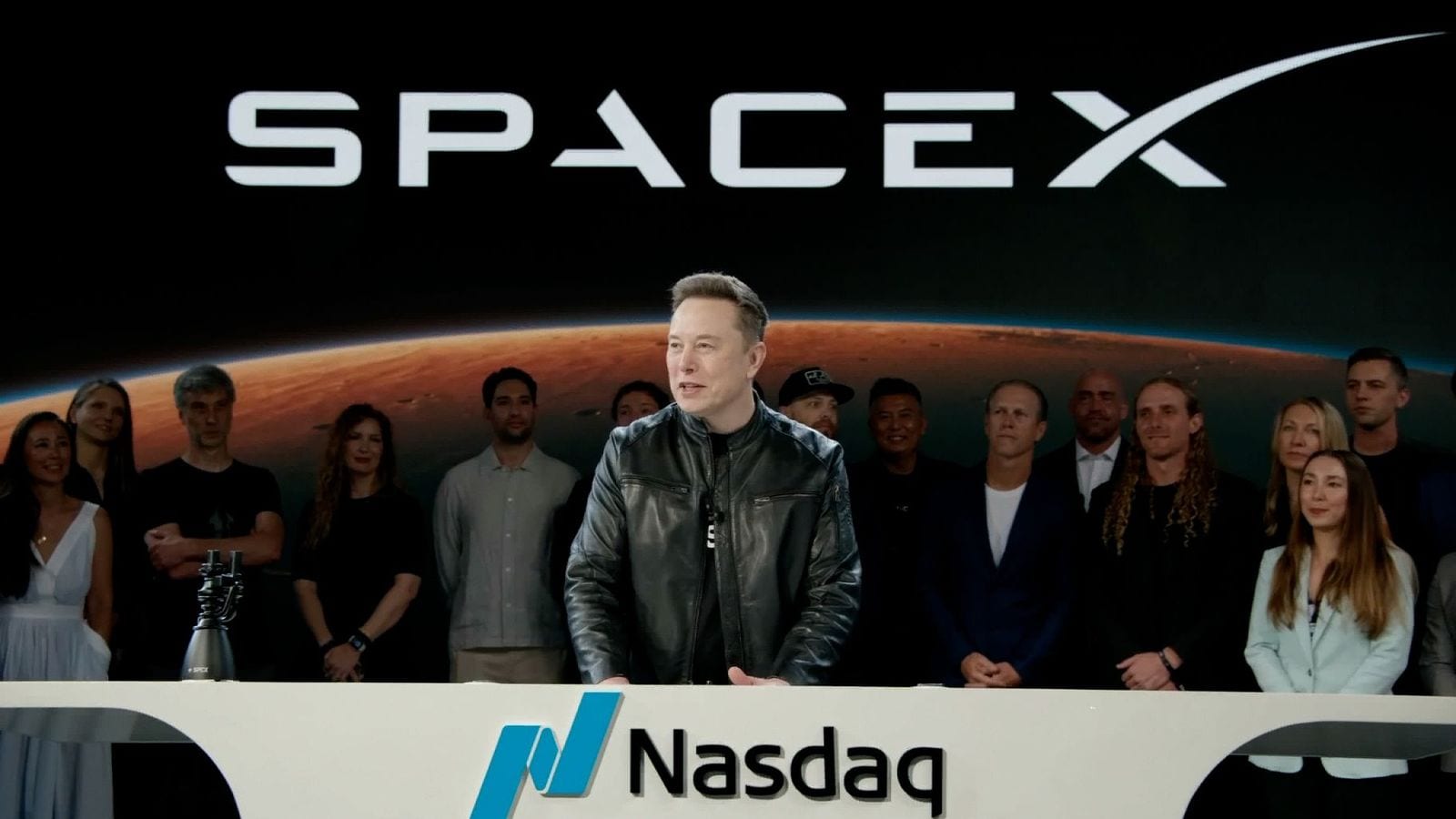
SpaceX is Elon Musk's private space and satellite company, now going public on the Nasdaq. SpaceX priced its IPO at $135 per share for 555.6 million shares, targeting $75 billion raised at a $1.77 trillion valuation — making it the largest IPO in US history, per Jefferies Flags AI Stock Correction Risk coverage.
Wood flagged SpaceX's fast-track index inclusion as an added pressure point. The company will be included in major indices at a weighting higher than its actual float of 4.2%. That forces passive funds to buy shares up to the relevant index weight, creating additional demand that must be funded from somewhere.
Which AI stocks are in the IPO pipeline?
Beyond SpaceX, two major AI companies are expected to go public later this year:
You might also like
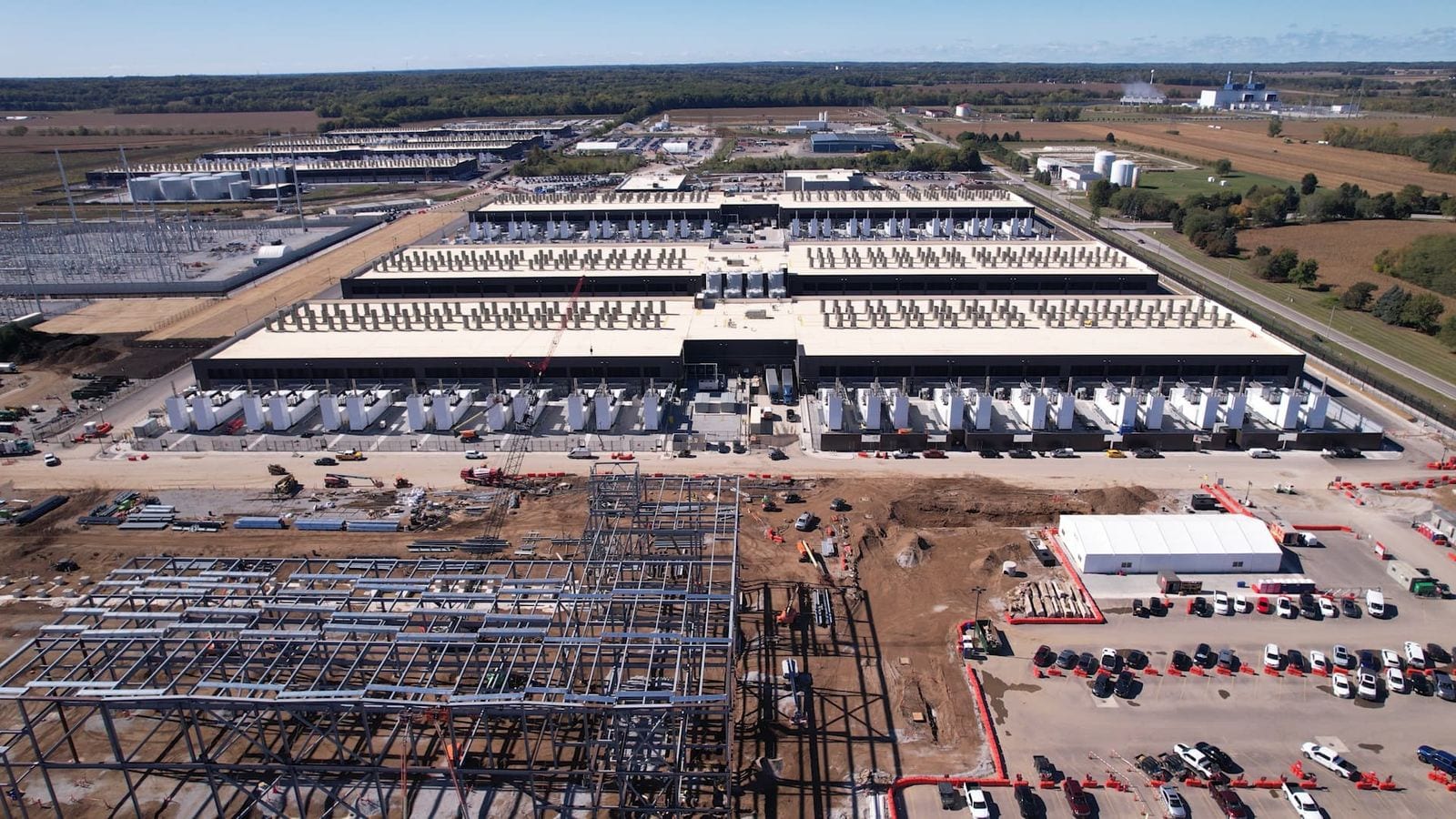

- Anthropic — expected IPO at a valuation close to $1 trillion
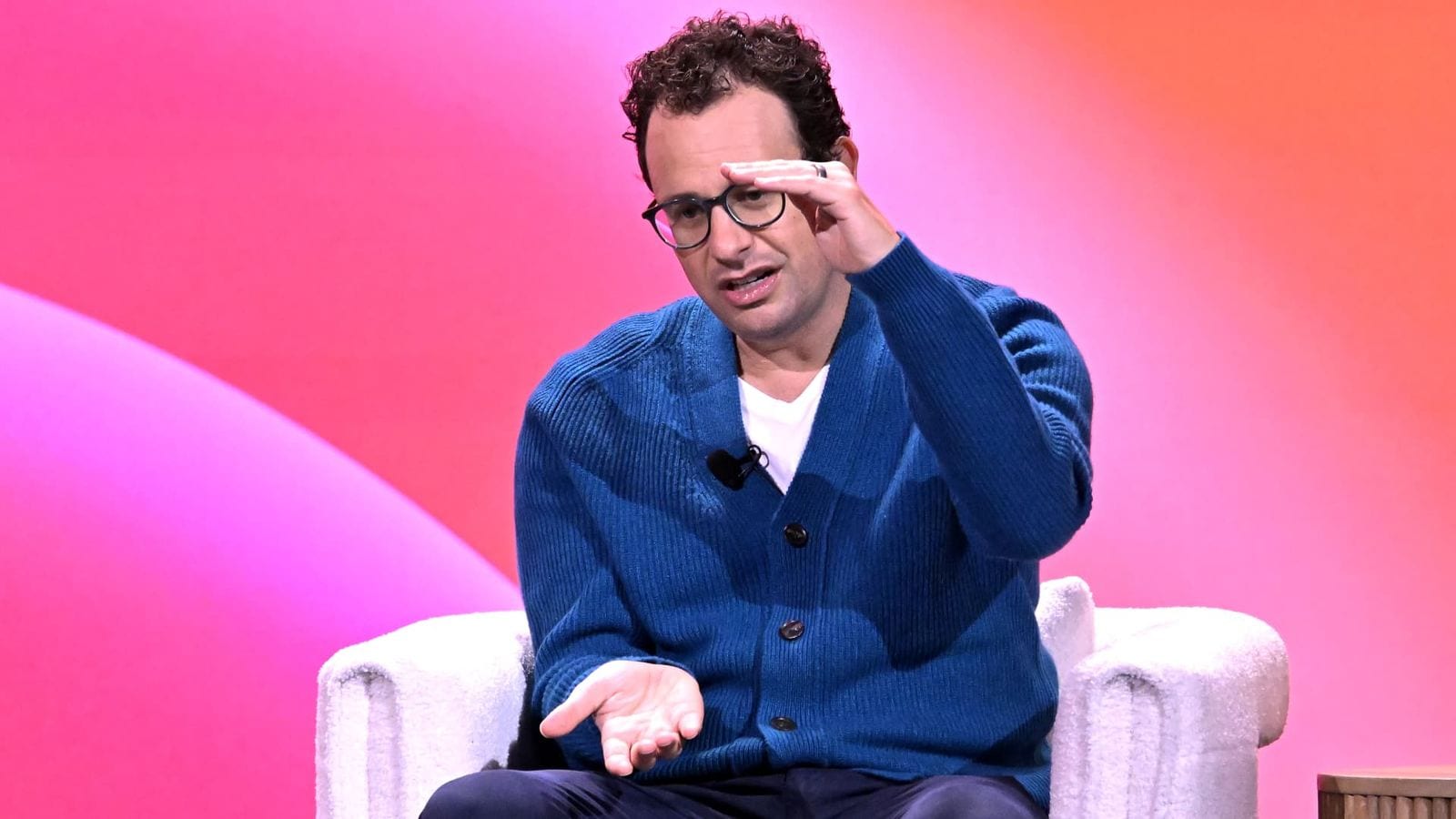
- OpenAI — also expected to go public at a valuation close to $1 trillion
Wood described the pending IPOs as raising "the obvious question whether this marks the peak of AI euphoria" — and added "it could well do," according to Business Standard coverage cited by Let's Data Science. For more on Anthropic's regulatory situation, see the Anthropic Fable 5 ban story we covered separately.
Where will retail investors find the money?
SpaceX is reserving up to 30% of its offering for retail investors — a much higher share than is typical for an IPO. That makes retail money flows a central question for the broader market.
Analytics firm Vanda Research global macro strategist Viraj Patel told CNBC that retail activity had already been "a bit flat." His hypothesis: investors may be holding back cash as dry powder for the listings. "People [could be] holding back from buying things like Nvidia and Tesla or anything in the Mag 7 … because maybe they're waiting for some of these listings to come," Patel said, per CNBC's reporting.
Hedge fund manager Dan Niles told CNBC that passive flows into SpaceX will come at the expense of other mega-cap tech names. "They're going to end up having these passive flows into these names out of some of the other mega-cap tech names to fund it," Niles said. "There's going to be … a lot of interesting movements."
Which stocks face the most selling pressure?
Here's what we know so far about where analysts expect the pressure to land:
| Potential pressure point | Why it's at risk |
|---|---|
| Magnificent Seven (Amazon, Apple, Microsoft, etc.) | Cited as "the most likely pocket of the market to absorb selling pressure" by Jefferies' Jane Gibbons |
| Nvidia | Heavily concentrated holding across Asia-focused funds |
| TSMC | Same concentrated positioning concern |
| Samsung Electronics | Named alongside Nvidia and TSMC in Jefferies research |
| SK Hynix | Also flagged in the concentrated-positioning analysis |
Jefferies' Jane Gibbons wrote in a June 5 note that "attention has centered on the Mag 7 and [technology, media and telecom stocks] more broadly as the most likely pocket of the market to absorb selling pressure." Wood's note cited a survey of 16 Asia-focused funds in which 15 shared the same three largest holdings — a sign of the concentrated positioning he views as a risk factor. Given Nvidia's central role in AI infrastructure, our earlier coverage of Nvidia's Vera CPU sales push to China is relevant context for understanding how exposed that stock is to any rotation.
What about AI spending itself?
Wood's note was careful on one point: there is still no evidence that AI-related capital expenditure is slowing. The concern is not about the underlying AI buildout. It is about valuations, positioning, and where liquidity goes when very large primary offerings hit the market. The Jefferies note also flagged "one-way positioning" and the use of leveraged ETFs to amplify AI-theme exposure — both of which can accelerate drawdowns once a trigger appears.
Fidelity is among the retail-focused investment companies that have changed their policies to accommodate the SpaceX IPO, per CNBC. Passive funds tracking the Nasdaq 100 and FTSE Russell benchmarks will also face forced buying once SpaceX is fast-tracked into those indices.
For builders and founders tracking AI infrastructure costs, our coverage of Perplexity's revenue and Salesforce's $3.6B acquisition of Fin show how AI spending is still accelerating at the application layer even as equity markets grow nervous about valuations.
Key figures at a glance
- SpaceX IPO price: $135 per share
- Shares offered: 555.6 million
- Target raise: $75 billion
- SpaceX valuation: $1.77 trillion
- Retail allocation: Up to 30% of offering
- SpaceX float weighting: 4.2% (index inclusion will be higher)
- Asia-focused funds surveyed: 16, of which 15 shared the same three largest holdings
SpaceX debuts Friday on the Nasdaq. Anthropic and OpenAI IPOs are expected later in 2026.
0 Comments
Log in to comment
Not a member yet? Join the community
Pick a meme
KlipyHave a great take?
Drop your email — we'll send a magic link so you can post it. No password.
Not a member of the community? Join today.
Join the community →