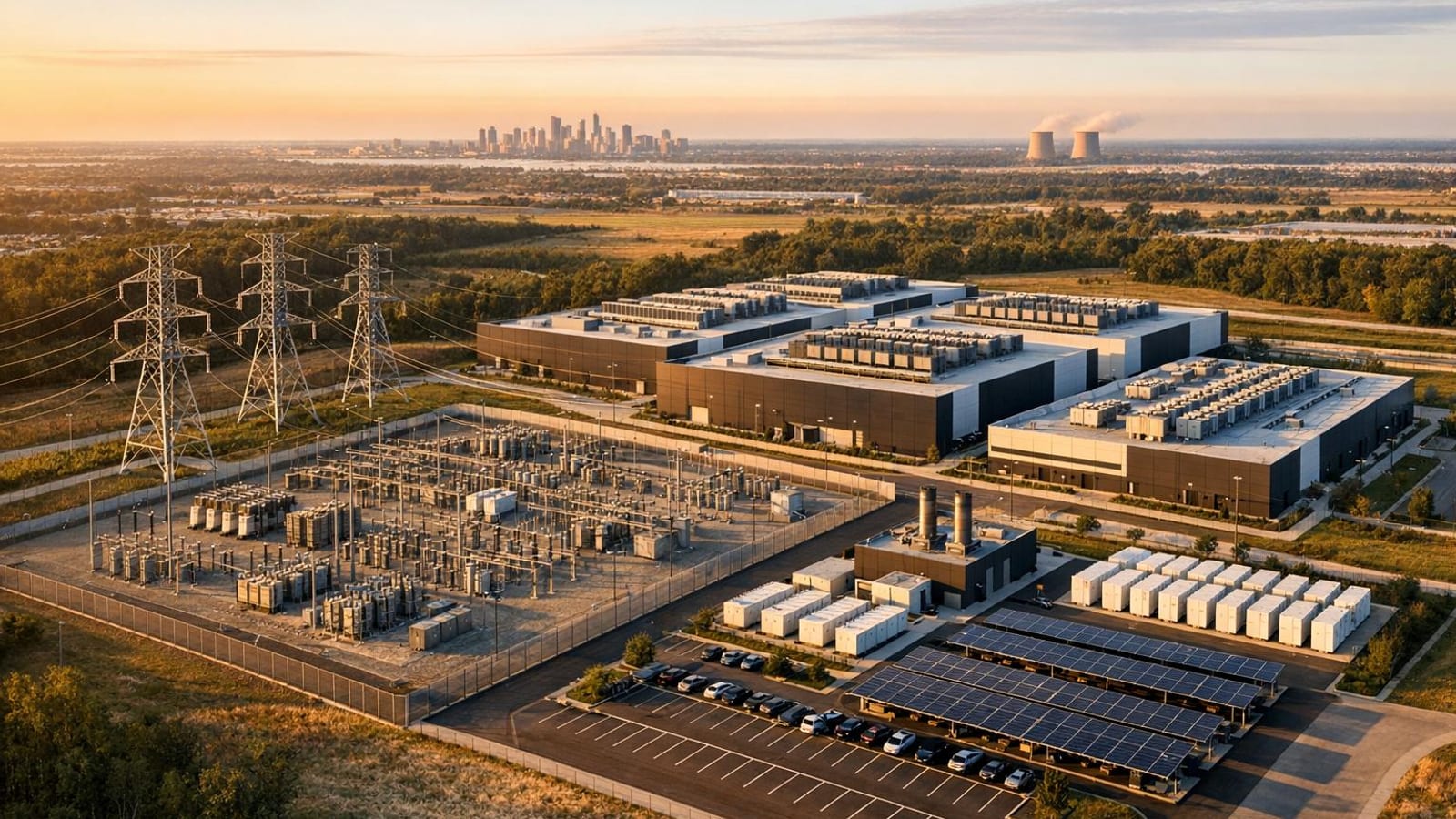
What is driving the U.S. data center power surge?
U.S. data center electricity demand jumped from 23 GW in 2023 to 42 GW in 2026, with AI workloads as the primary driver. AI racks now require 50–100 kW of power, compared to 5–10 kW for traditional racks. A single AI-related task requires 1,000 times more electricity than a standard web search, according to data center energy reporting from iRecruit.
AI-focused hyperscale facilities are pushing rack densities even higher — reaching 60–100 kW per rack, versus just 2–5 kW per rack in older facilities. Today's campuses demand power ranging from hundreds of megawatts to gigawatts continuously. U.S. peak load growth projections climbed from 24 GW in 2022 to an anticipated 150 GW by 2025.
How bad is the grid bottleneck?
Grid interconnection delays now run 5–7 years, while data center facilities can be built in under three years. Transmission infrastructure has become the weak link. As David Chernicoff has stated: "The next constraint on AI may not be chips, land, capital, or even power availability. It may be transmission."
You might also like



The share of U.S. electricity consumed by data centers is expected to grow from 4.4% in 2023 to as much as 12% by 2028. Globally, an additional 10 GW of IT load is expected in 2026, driven primarily by generative AI workloads.
What are operators doing to bypass the grid?
About one-third of new U.S. data center projects are considering private or on-site power solutions. In October 2025, Oracle teamed up with Volta Grid and Energy Transfer to deploy 2.3 GW of modular natural gas power for its AI data centers in Texas. That move was designed to bypass grid connection delays and support a $300 billion cloud deal with OpenAI.
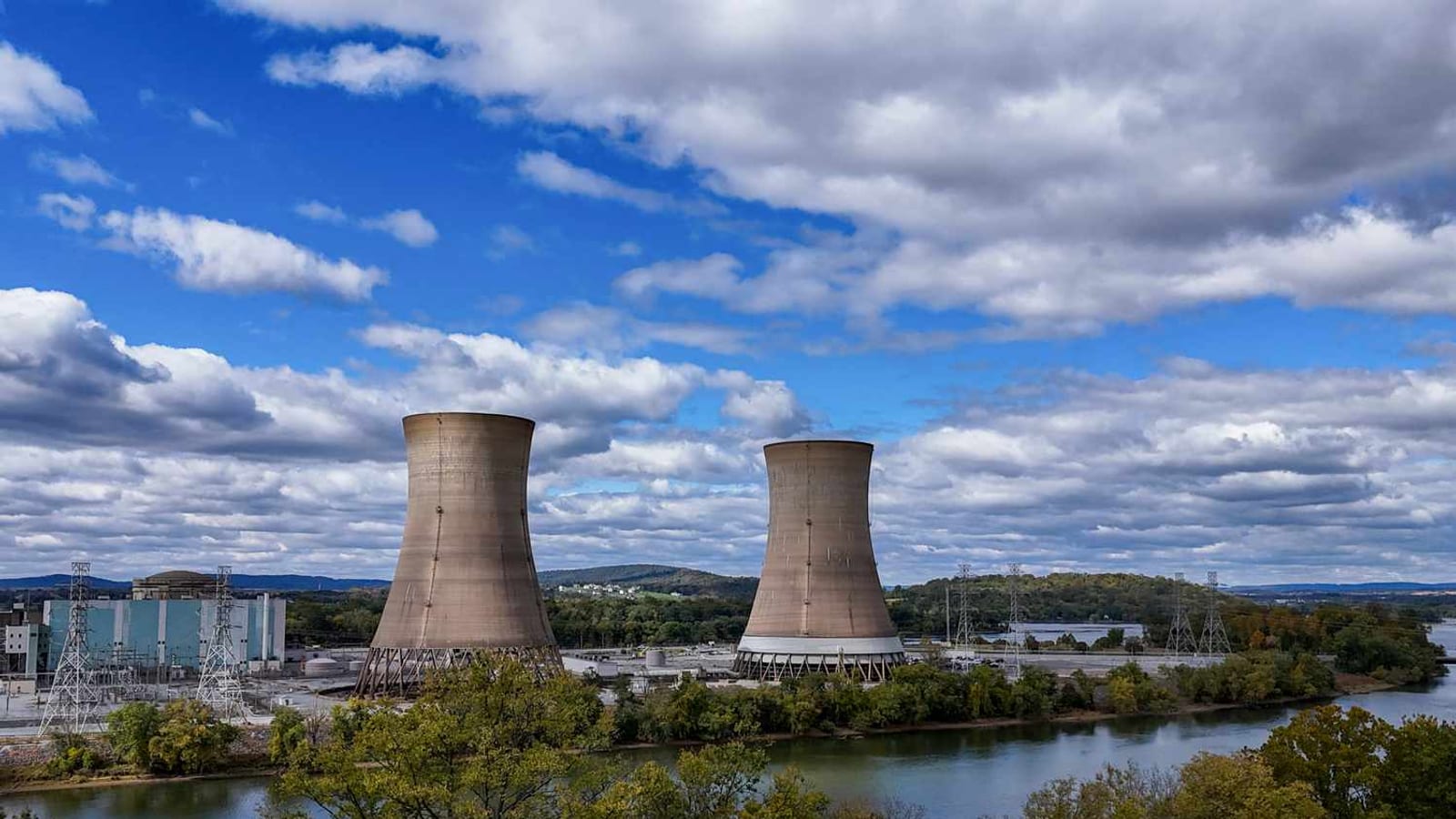
On-site options also include nuclear energy. The nuclear energy data center demand conversation has grown alongside gas turbine deployments as operators look for stable, large-scale generation. The DOE's RFI for AI data centers on federal land reflects how seriously policymakers are treating the supply problem.
How is the industry measuring efficiency now?
Instead of focusing solely on energy reduction, metrics like "tokens per watt per dollar" are gaining traction. This reflects a shift toward measuring compute output relative to energy and cost, not just minimizing consumption.
What does the workforce picture look like?
High-density facilities need specialized engineers and technicians. Staffing shortages are growing, with 35% of operators reporting they have lost staff to competitors. The skills required to run these facilities are evolving alongside the hardware.
What investment is required by 2030?
By 2030, U.S. data center power demand is projected to reach 134 GW — nearly tripling 2025 estimates. Global energy use by data centers may hit 945 TWh. The power and cooling solutions needed to support that scale are estimated to require $7 trillion in infrastructure investment by 2030.



0 Comments
Log in to comment
Not a member yet? Join the community
Pick a meme
KlipyHave a great take?
Drop your email — we'll send a magic link so you can post it. No password.
Not a member of the community? Join today.
Join the community →