
What happened to Caterpillar stock on June 22, 2026?
Caterpillar (CAT) traded at $1,014.57 on the morning of June 22, 2026 — up $28.75, or 2.92%, on the day. According to Dow Jones Market Data via Morningstar, that price would mark a new all-time closing high in data going back to January 21, 1972. CAT also touched an intraday high of $1,015.92, a new all-time intraday record. It was the best performer in the Dow Jones Industrial Average that morning, contributing 177 points to the index.
How long has Caterpillar's winning streak lasted?
CAT was up seven consecutive trading days as of June 22. Over that seven-day stretch, the stock gained 18.5%. That is the best seven-day run since the period ending October 31, 2022, when it rose 19.9%. The previous winning streak of this length ended April 14, 2026, also at seven straight days.
How much is Caterpillar up in 2026?
The numbers are striking across every time frame:
| Time Period | CAT Performance |
|---|---|
| June 22, 2026 (intraday) | +2.92% |
| 7-day winning streak | +18.5% |
| Month-to-date (June 2026) | +15.84% |
| Year-to-date 2026 | +77.1% |
| From 52-week low ($366.23) | +177.03% |
The 52-week closing low of $366.23 was set on June 23, 2025. As of June 17, 2026, Forbes reported CAT had already gained 68% for the year and had received a price-target increase to $1,165 from J.P. Morgan Securities.
Why is Caterpillar stock rising so fast?
The rally is grounded in real business results. According to TIKR's analysis, first-quarter 2026 sales rose 22% year over year to $17.4 billion. The Power and Energy segment — which supplies generators and turbines for data centers — grew about 20% to roughly $7.0 billion. The company's backlog reached a record near $63 billion, up 79% year over year.
You might also like

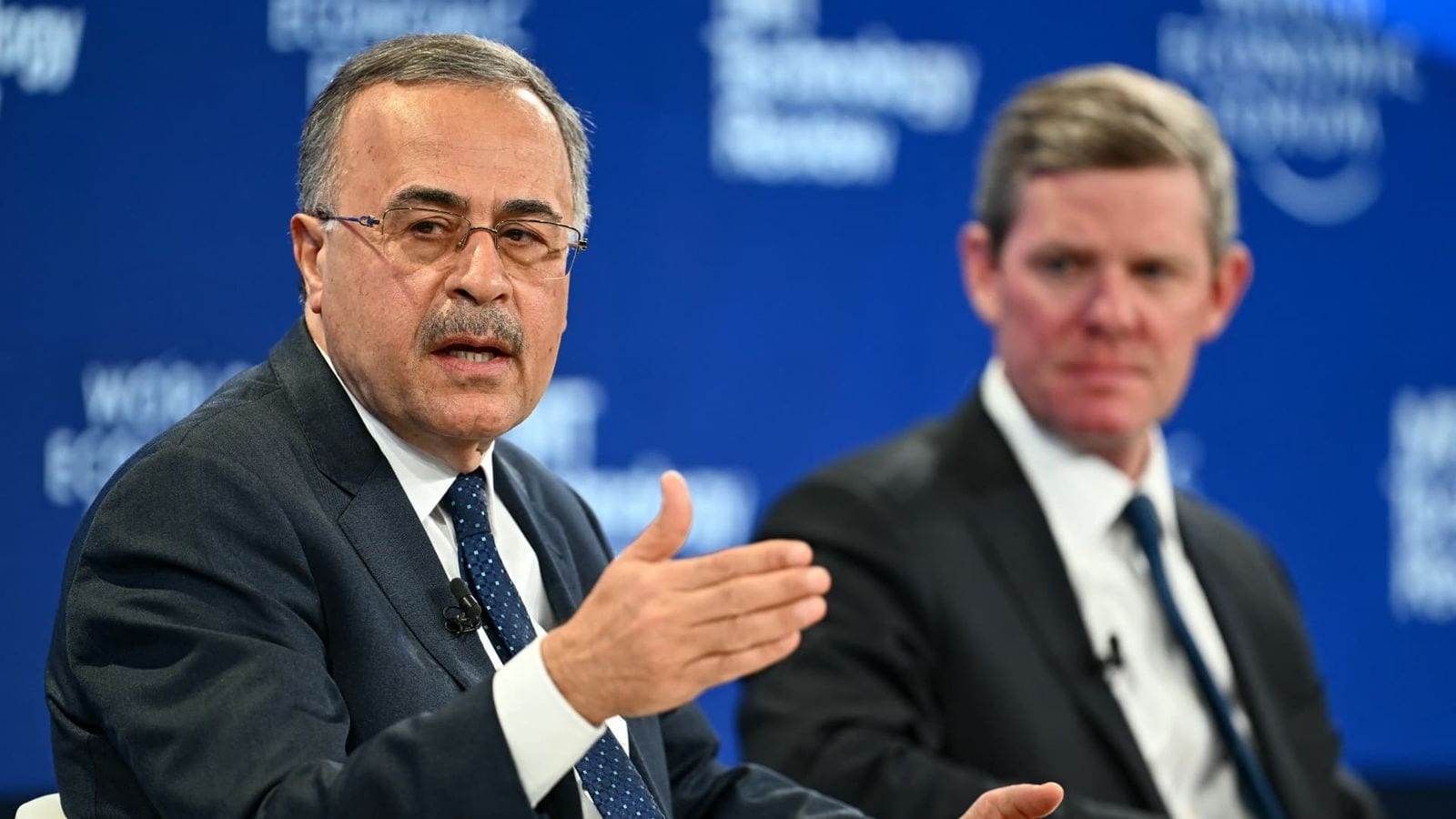

The market has repriced CAT as an AI infrastructure play, not just a machinery maker. Its Power and Energy segment is a direct supplier to the data center buildout. At a Bank of America investor meeting on May 19, Power and Energy Group President Jason Kaiser said Caterpillar has announced six contracts of at least one gigawatt each. He also noted, "We have several other smaller ones that we haven't announced as well."
Kaiser highlighted the long-term service opportunity: "There's 40x more services opportunity over the lifetime for that gas genset." Service revenue on gas generators running primary power carries higher margins than selling standby diesel units.
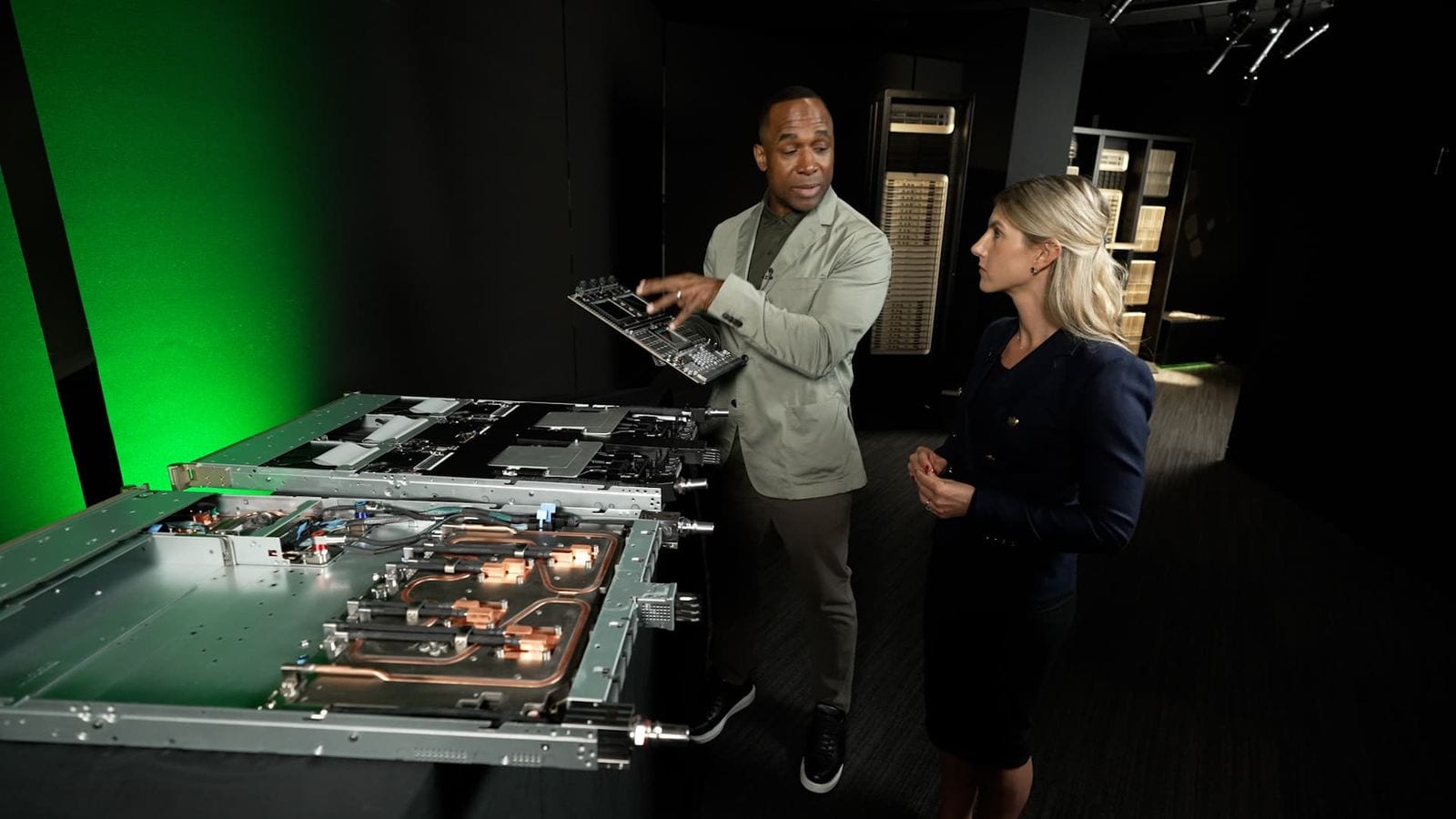
This dynamic connects to broader infrastructure trends we track at iCharles — including how AI infrastructure demand is reshaping capital equipment markets in ways that parallel the NVIDIA Rubin liquid cooling buildout and the Figure AI robotics wave.
What are Wall Street's price targets for CAT?
Several major banks have raised their targets:
- JPMorgan: $1,165 (Street high)
- Evercore ISI: $1,103
- Wells Fargo: $1,050
Despite those upgrades, the average analyst target sits near $946 — below where CAT was already trading on June 18, 2026, at $985.82. The stock has outrun the consensus.
TIKR's mid-case valuation model puts CAT at around $1,340 by end of 2030. From $985.82, that implies about a 36% total return, or roughly 7% per year annualized.
What are the risks at this valuation?
CAT is expensive on standard metrics. The stock trades at about 49x trailing earnings and roughly 39x forward earnings. By comparison, Cummins trades near 24x forward earnings.
Management guided full-year 2026 tariff costs to between $2.2 billion and $2.4 billion. Power and Energy margins faced pressure in Q1 from tariffs and the cost of ramping new capacity. On June 10, the board raised the quarterly dividend 8% to $1.63 per share — extending CAT's status as a Dividend Aristocrat, a company that has raised its dividend for at least 25 consecutive years. CEO Joe Creed tied the increase to strong free cash flow.
Here's what we know so far: the bull case rests entirely on the backlog staying firm and the Power and Energy segment converting orders into high-margin service revenue. If hyperscaler AI spending cools, the premium multiple compresses quickly.
What options market signals are flashing for CAT?
As of June 17, CAT's 10-day put/call volume ratio at the ISE, CBOE, and NASDAQ OMX PHLX stood at 1.72, ranking in the 92nd annual percentile. The stock's Schaeffer's put/call open interest ratio (SOIR) was 1.37, ranking higher than 84% of readings from the past year. Forbes described this as a "historic bull signal." The stock had reliable support from its 80-day moving average throughout the run.
The options positioning and the broader AI infrastructure story also echo patterns we've covered in global asset flows and tech sector volatility.
The most confirmed near-term milestone: CAT's all-time closing high, if the June 22 price holds through the close, would be the first such record in data going back to January 21, 1972.




0 Comments
Log in to comment
Not a member yet? Join the community
Pick a meme
KlipyHave a great take?
Drop your email — we'll send a magic link so you can post it. No password.
Not a member of the community? Join today.
Join the community →