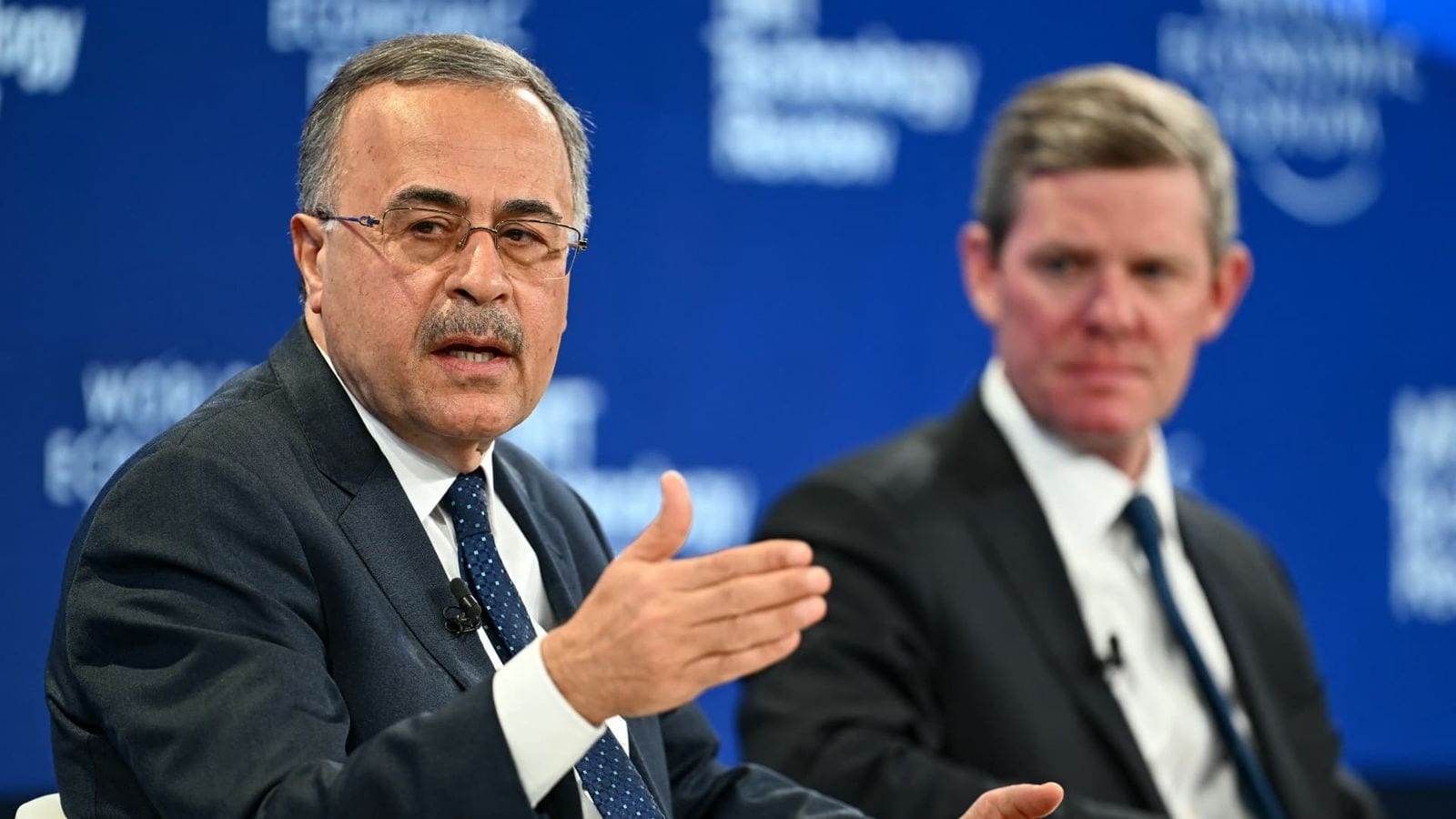
What did SAMA just do with its global investments?
Saudi Arabia's central bank, SAMA (the Saudi Arabian Monetary Authority), has pulled billions of dollars from at least two global asset managers in recent months. Bloomberg first reported the withdrawals, citing people familiar with the matter. The redemptions signal that SAMA is becoming more selective about where it places its funds.
The withdrawals include a multibillion-dollar redemption from passive index-tracking funds at a single asset management firm this year, according to Bloomberg News as reported by Investing.com. One person familiar with the matter asked not to be identified when discussing the sensitive information.
Who is SAMA and how much money does it manage?
SAMA is Saudi Arabia's primary reserve manager. It manages hundreds of billions of dollars. Its investment portfolio is made up of liquid, low-risk global assets. The portfolio is designed to preserve capital and support financial stability.
SAMA is not a sovereign wealth fund. It functions as the kingdom's monetary authority — closer in role to a central bank reserve manager than an investment vehicle like the Public Investment Fund.
You might also like


When did the redemptions start?
The redemptions began before the start of the Iran war, according to people familiar with the matter. The Financial Post reported that the withdrawals span at least two global asset managers over recent months.
Here's what we know so far about the timeline and the moves SAMA made:
| Event | Detail |
|---|---|
| Redemptions begin | Before the start of the Iran war |
| Passive index fund redemption | Multibillion-dollar, from a single firm, this year |
| Money redeployed | Into better-performing strategies and more liquid fixed income |
| Number of managers affected | At least two global asset managers |
Where did SAMA move the money?
SAMA did not simply pull the money out and sit on cash. The central bank moved at least some of the funds into strategies with better performance, a person familiar with the matter said. Part of the redemptions from one manager was reinvested into fixed income products that provide more liquidity, according to people familiar with the matter.
The shift toward fixed income products and higher-performing strategies reflects SAMA's mandate to hold liquid, low-risk assets. The sources do not name the specific asset managers involved.
Why does this matter for global asset managers?
SAMA manages hundreds of billions of dollars. When a reserve manager of that scale pulls money from passive index funds and redirects it, the affected firms lose a significant and stable source of assets under management. Passive index funds typically charge low fees, so large redemptions hit revenue directly.
The move also shows that even large, stable institutional clients are reassessing their allocations. The Iran war context — noted by sources as the backdrop against which these redemptions are occurring — adds a layer of geopolitical pressure to the decision-making. For more on how the Iran conflict is reshaping capital flows, see our coverage of China's oil reserves and the broader regional picture.
What kind of assets does SAMA typically hold?
SAMA's portfolio consists of liquid, low-risk global assets. The mandate is capital preservation and financial stability — not return maximization. That context makes the shift toward "better performance" strategies notable. It suggests SAMA is willing to accept slightly more complexity in exchange for improved returns or liquidity, within its conservative mandate.
This is a different posture from a sovereign wealth fund like Saudi Arabia's Public Investment Fund, which takes equity stakes in companies and funds large technology bets. SAMA operates with a narrower, more defensive brief.
The broader trend of large institutions reassessing passive strategies echoes moves seen elsewhere — from M&A due diligence shops to AI-driven portfolio tools — as institutions look for edges beyond simple index exposure.
The most confirmed fact from the sources: SAMA has withdrawn billions of dollars from at least two global asset managers, with part of the money reinvested into fixed income products offering more liquidity, according to Bloomberg's reporting.



0 Comments
Log in to comment
Not a member yet? Join the community
Pick a meme
KlipyHave a great take?
Drop your email — we'll send a magic link so you can post it. No password.
Not a member of the community? Join today.
Join the community →