<script type="application/ld+json">
[
  {
    "@context": "https://schema.org",
    "@type": "BlogPosting",
    "headline": "AI Influencers: 40–60% of Brand Content Is Fake",
    "description": "Brands are quietly using AI-generated influencers on Instagram with no legal requirement to disclose it. EU AI Act labelling rules start 2 August 2026.",
    "datePublished": "2026-06-22",
    "publisher": {
      "@type": "Organization",
      "name": "iCharles"
    },
    "author": {
      "@type": "Organization",
      "name": "iCharles"
    }
  },
  {
    "@context": "https://schema.org",
    "@type": "Person",
    "name": "Clarissa Mansbridge",
    "jobTitle": "AI influencer creator",
    "description": "Former celebrity manager who creates AI influencers for brands through her Mia Metaverse portfolio."
  },
  {
    "@context": "https://schema.org",
    "@type": "FAQPage",
    "mainEntity": [
      {
        "@type": "Question",
        "name": "Are brands required to disclose AI-generated influencers?",
        "acceptedAnswer": {
          "@type": "Answer",
          "text": "No. The UK's Advertising Standards Authority confirmed it has no specific rules on this. The ASA would only act if the ad itself is misleading — not simply because the person in it does not exist. Most markets, including New Zealand, have no equivalent requirement."
        }
      },
      {
        "@type": "Question",
        "name": "What percentage of brand content may be AI-generated?",
        "acceptedAnswer": {
          "@type": "Answer",
          "text": "Clarissa Mansbridge, who creates AI influencers through her Mia Metaverse portfolio, told the Guardian that 40–60% of content from major brands may already be AI-made. She added that many creators are under NDA and cannot speak publicly about the work."
        }
      },
      {
        "@type": "Question",
        "name": "When do EU AI Act labelling rules take effect?",
        "acceptedAnswer": {
          "@type": "Answer",
          "text": "The EU AI Act's transparency requirements apply from 2 August 2026. They require clear labelling of deepfakes and AI-generated or manipulated content. The European Commission has also published a voluntary Code of Practice to help providers prepare. The rules do not apply in the UK."
        }
      },
      {
        "@type": "Question",
        "name": "How can consumers spot AI-generated influencers?",
        "acceptedAnswer": {
          "@type": "Answer",
          "text": "The Guardian's investigation identified common tells: extra fingers, inconsistent lighting, unnatural skin texture, and generic captions. However, Which? found that 70% of people cannot correctly identify all deepfake videos shown to them, meaning the technology already outpaces most consumers' ability to detect it."
        }
      },
      {
        "@type": "Question",
        "name": "Why are content creators signing NDAs about AI influencer work?",
        "acceptedAnswer": {
          "@type": "Answer",
          "text": "Mansbridge told the Guardian that brands require creators to sign NDAs to prevent the practice becoming public. She said brands cite consumer trust as the reason. She described the arrangement as 'plausible deniability' — brands benefit from synthetic content while keeping their involvement hidden."
        }
      }
    ]
  }
]
</script>
Brands Are Quietly Using Fake Influencers — With No Rules to Stop Them
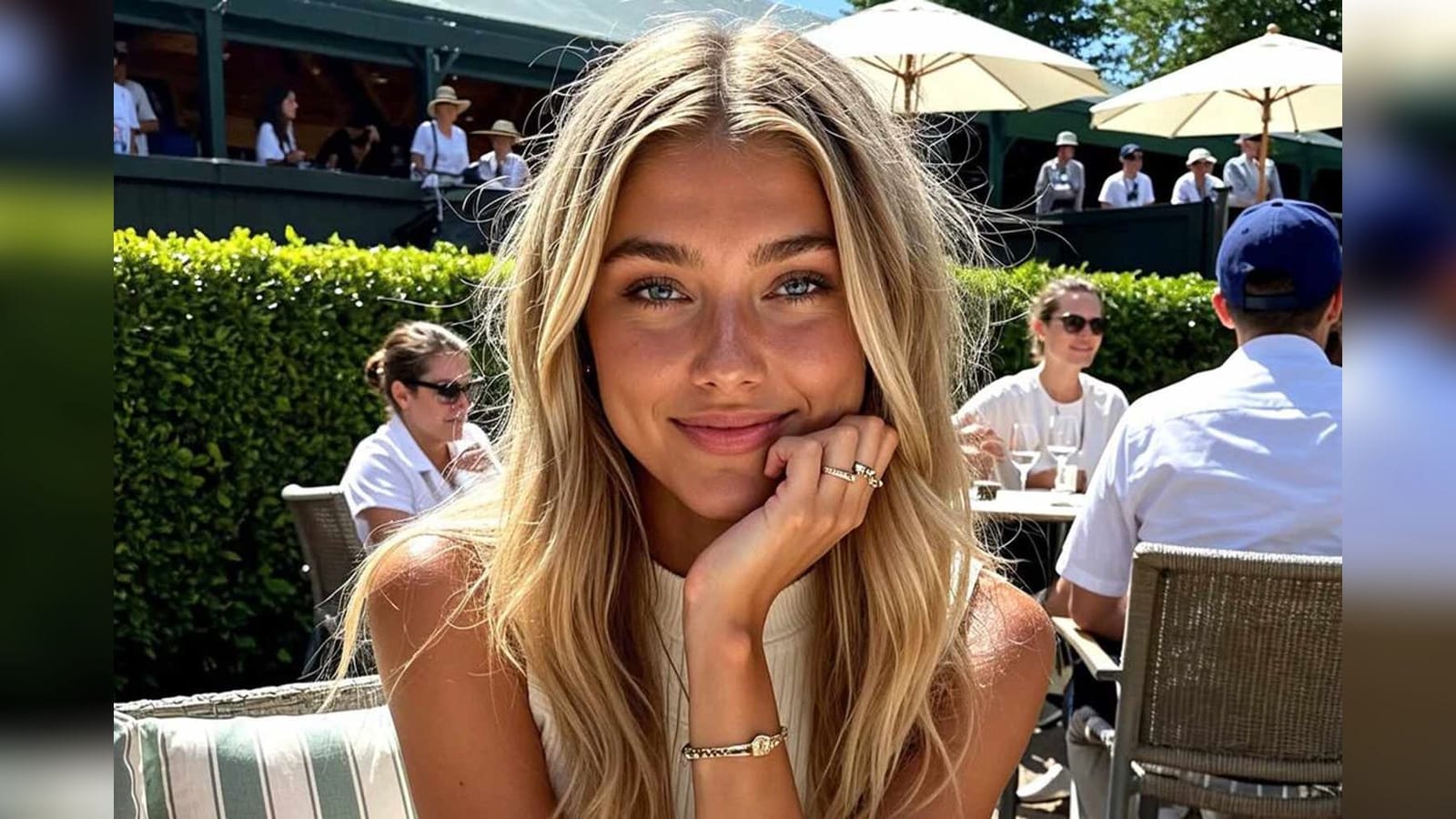
Clarissa Mansbridge, a former celebrity manager, told the Guardian that 40–60% of content from major brands may already be AI-generated — and most of the creators making it are under NDA. A Guardian investigation identified multiple brands using synthetic personas on Instagram, with no legal requirement to tell consumers the people shown are not real. (Source)
We've been tracking how AI is reshaping professional workflows — from AI efficiency gains to autonomous systems replacing human roles. This story fits the same pattern: synthetic tools moving faster than the rules meant to govern them.
Which Brands Were Named?
Three brands were identified in the investigation.
- Once — a photo app that lets phones create disposable camera-style photographs. Several Instagram videos showed a bride crying and saying she was pleased to have used the app at her wedding. Reality Defenders, a cybersecurity firm specialising in deepfake detection, assessed the content as likely AI-generated. Once did not respond to a request for comment.
- Maket — an AI housing design platform. A video showed a woman who appears AI-generated saying she "could kiss the interior designer" who showed her the app. Maket confirmed it used AI influencers as "one of several ways for us to test creative concepts and marketing hooks at a small scale."
- Ashle — a Dubai-based fashion brand. It posted a photo of a woman wearing its clothes at a restaurant. The woman appeared to have an extra finger. After the Guardian contacted the brand, the photos were deleted. Ashle said the images were removed because "those particular designs are no longer part of the collection, not because they were AI-generated."
How Are Brands Keeping This Secret?
Mansbridge said brands require creators to sign NDAs. "If you sign with a brand, they'll make you sign an NDA saying you can't talk about the fact they're using AI," she told the Guardian. She called the practice "plausible deniability."
Brands hire Mansbridge to build AI avatars for user-generated content — a format where people appear to review products. A beauty company might commission a video of an anonymous person applying sunscreen beside a pool. The brand then posts it on its own channels. It looks like a real customer submitted it. It is not.
You might also like


The NDA layer means the true scale of this practice is almost certainly undercounted. (Source)
Are There Any Rules Requiring Disclosure?
No — not in the UK, and not in most markets.
The British Advertising Standards Authority (ASA) confirmed it has no specific rules on this. "There's nothing in our rules that prohibits this, and there are no disclosure rules for AI content labeling," an ASA spokesperson said. The ASA said it would only act if the ad itself is misleading — not simply because the person in it does not exist.
Consumer group Which? is pushing for change. Which? Tech editor Lisa Barber said: "Companies must be transparent when content has been created using AI, particularly if AI-generated influencers are appearing in the content."
Which? also ran a separate investigation. It found that 70% of people cannot correctly identify all the real and fake videos shown to them. Most consumers are likely being misled without knowing it. (Source)
This regulatory gap mirrors what we've seen in other fast-moving AI sectors — from AI-driven M&A tools operating ahead of governance frameworks to platform disruptions that expose how fragile digital infrastructure can be.
When Do EU Labelling Rules Take Effect?
The EU's Artificial Intelligence Act will require clear labelling of AI-generated or manipulated content — including deepfake images, audio, and video — from 2 August 2026.
The European Commission has also published a voluntary Code of Practice on marking and labelling of AI-generated content. It sets out practical steps to help providers meet those obligations before the deadline. The Code covers deepfakes and AI-generated text on matters of public interest. It also requires users to be told when they are interacting with a chatbot.
The legislation will not apply in the UK. There is no equivalent rule in New Zealand or most other markets. (Source)
What Do the Brands Say?
| Brand | Response |
|---|---|
| Maket | AI influencers were "an experiment to better understand what resonates with audiences" — not a core marketing strategy |
| Ashle | Early marketing "utilised AI during our initial launch phase to showcase designs"; garments themselves are real |
| Once | Did not respond to a request for comment |
Mansbridge said companies approach her because she can create "hyper-realistic, aspirational digital humans." The practice is positioned as a low-cost testing tool before committing to broader campaigns.
The most concrete next step on the calendar: the EU AI Act's transparency requirements apply from 2 August 2026. That makes the EU the first major jurisdiction to legally require labelling of this type of content. Everywhere else, the disclosure burden falls entirely on the brand — and brands have no incentive to be honest about it.

0 Comments
Log in to comment
Not a member yet? Join the community
Pick a meme
KlipyHave a great take?
Drop your email — we'll send a magic link so you can post it. No password.
Not a member of the community? Join today.
Join the community →