What Did the US Tell ASML?
US Commerce Secretary Howard Lutnick met with ASML's senior leaders in a series of recent meetings. He told them he was concerned that one of ASML's top machines may have reached China. That would break US-led export restrictions, according to Bloomberg as reported by Moneycontrol.
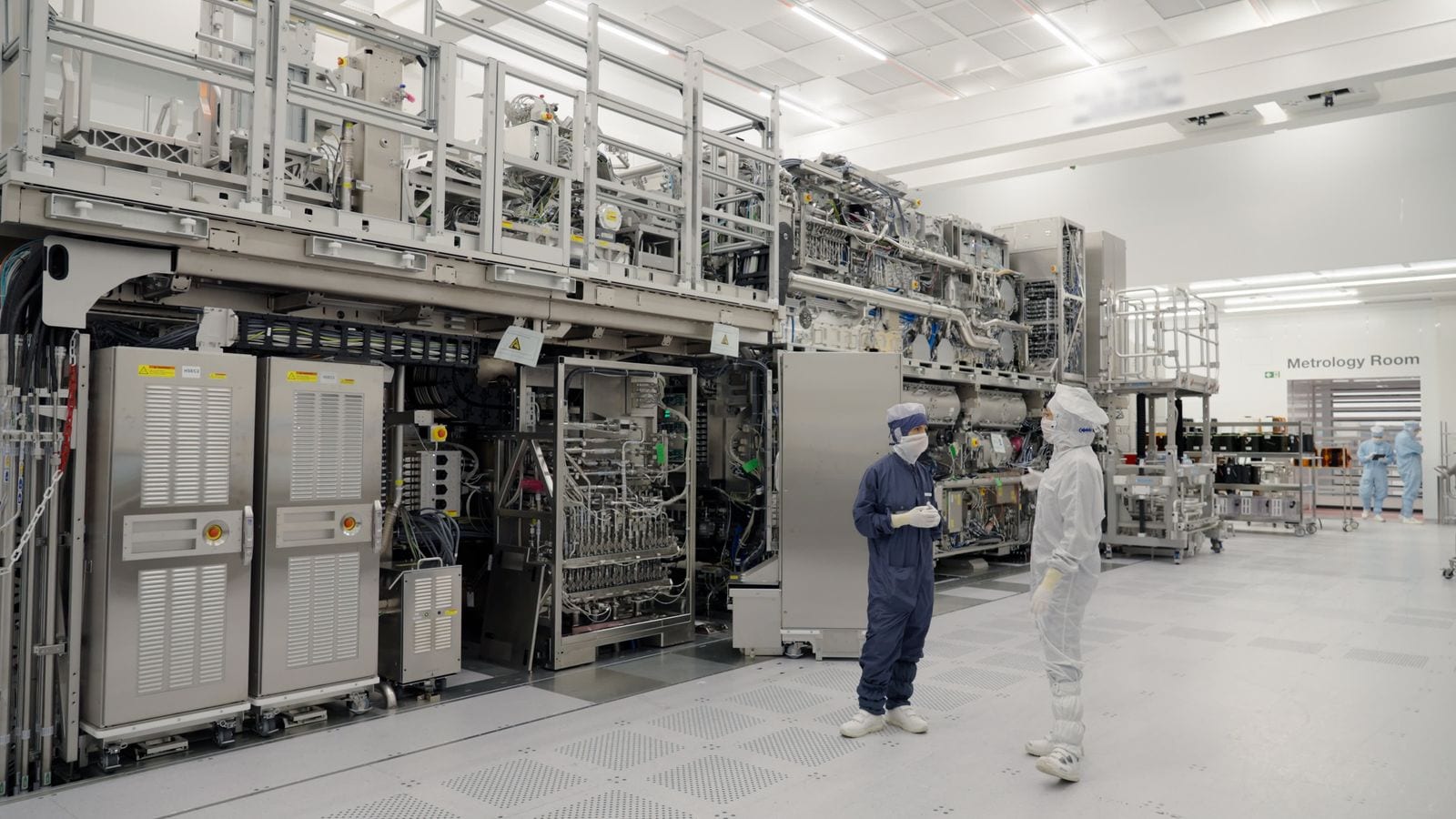
The machine in question is an extreme ultraviolet lithography, or EUV, system. These tools are used by firms like Taiwan Semiconductor Manufacturing Co. to make chips for Nvidia and Apple. ASML has never been allowed to ship EUV machines to China. That ban dates to curbs imposed during the first Trump administration.
What Is an EUV Machine?
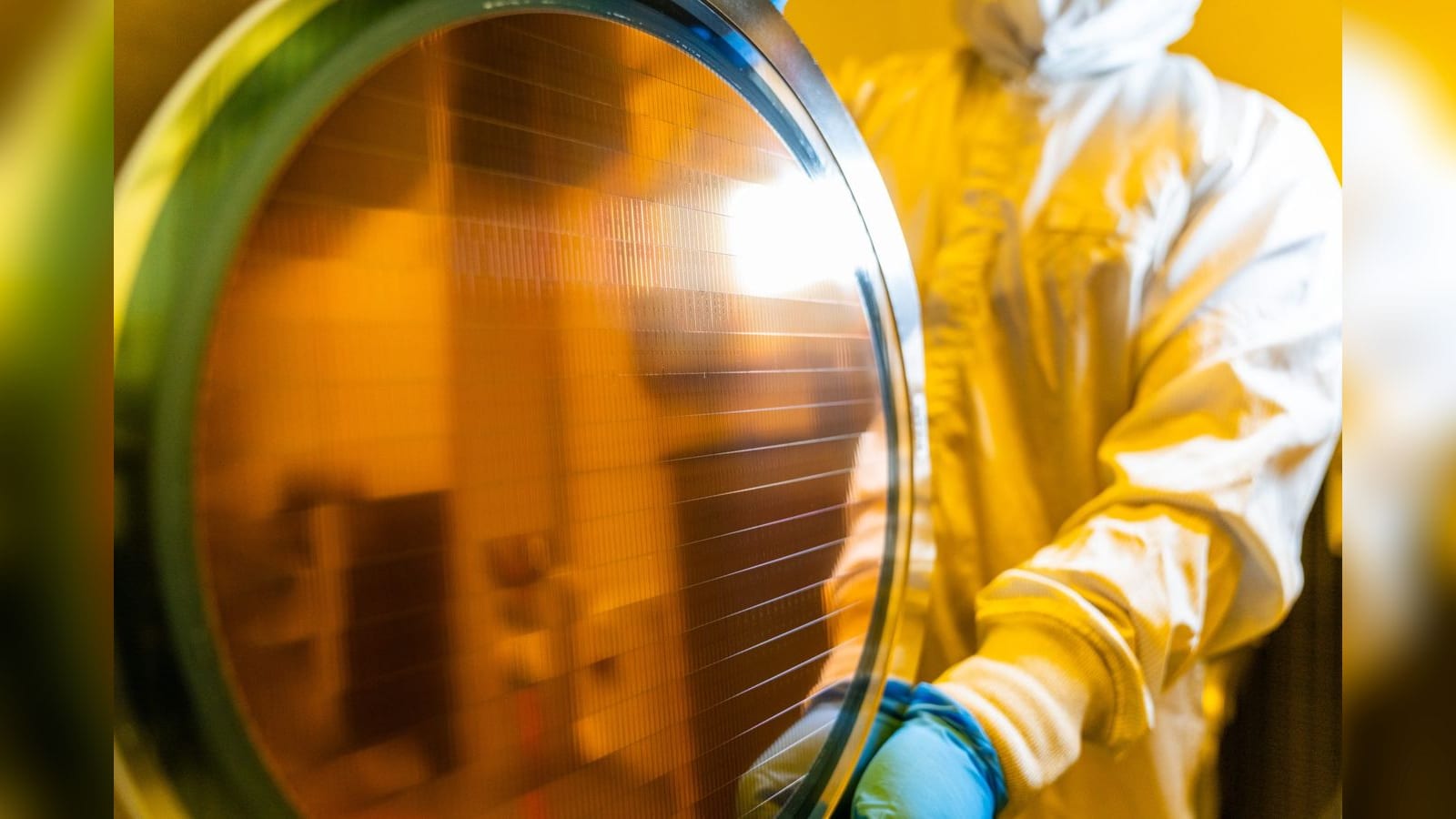
EUV machines use ultraviolet light to etch fine patterns onto silicon wafers. A few key facts about them:
- Each machine is roughly the size of a school bus.
- They are made in limited quantities.
- They need constant upkeep from ASML staff.
ASML used those details in its pushback. The company told US officials that tools this large, this rare, and this dependent on ongoing service simply are not in China.
How Did ASML Respond?
ASML pushed back directly. The company told US officials that none of its EUV tools are in China. A company spokesperson confirmed to Bloomberg that ASML talks with all governments and has never shipped an EUV machine to China.
ASML is now in the hard position of proving a negative. It is unclear what information would fully satisfy the US government. The Commerce Department did not respond to multiple queries — including whether it holds any evidence that an EUV machine is actually in China.
You might also like


What Evidence Does the US Claim to Have?
We are tracking a key gap in this story: the US has not shared its evidence publicly. Here is what each side says:
| Claim | Who Makes It | ASML's Position |
|---|---|---|
| A full EUV machine reached China | US officials (concern, not confirmed) | Denied — no EUV ever shipped to China |
| EUV-related gear was exported to China | Senior US administration officials | Denied to Bloomberg |
| ASML is not acting in good faith | Multiple US officials | Disputed |
| Proof of shipments exists | Implied by officials | Proof not shared publicly |
Multiple senior US officials told Bloomberg they have evidence ASML is "not acting in good faith." Their specific claim: ASML exported gear tied to EUV tools — not a full machine, but related components. ASML denied those claims too.
The officials declined multiple requests for proof. They cited the sensitivity of the information. They also declined to say whether they have seen evidence of an actual EUV system inside China.
What Is the MATCH Act?
Separately, a bipartisan group of US lawmakers introduced the Multilateral Alignment of Technology Controls on Hardware (MATCH) Act on April 2, 2026. The bill targets China's access to chipmaking tools and its most critical semiconductor firms.
The MATCH Act focuses on ASML's deep ultraviolet (DUV) machines. These are less advanced than EUV tools. Chinese companies have so far been able to buy them. That would change under the proposed law.
Rep. Michael Baumgartner, R-Wash., led the bill. His office said: "While the United States has imposed extensive export controls to slow China's semiconductor indigenization, U.S. allies have not fully matched these measures. This misalignment has left critical gaps that China continues to exploit."
ASML shares fell about 2.6% on April 7, 2026, after news of the proposed legislation, according to CNBC.
Why Does This Matter for the Chip Supply Chain?
ASML has faced growing limits on its China business for years. The US has pushed the Netherlands and Japan to cut off chip equipment flows to China. EUV machines sit at the center of that effort. They are essential for making the most advanced chips — the kind that power AI systems and processors from companies like Nvidia.
This dispute does not exist in isolation. Huawei's EUV workarounds show how hard China is working to build advanced chips without access to ASML tools. Meanwhile, Nvidia's China sales strategy reflects the same tension: whether export controls are actually slowing China's chip progress.
The question of where advanced chips get made is also shifting fast. Nvidia's Texas factory push and Samsung's work on advanced chip nodes are part of a broader effort to anchor leading-edge production outside China.
What Happens Next?
The Commerce Department has not responded to Bloomberg's queries. US officials have not shared their evidence. ASML continues to deny both the full-machine and component-related claims. Congress is advancing the MATCH Act, which would extend restrictions to DUV machines — a category ASML still sells into China.
The most confirmed fact: ASML says it has never shipped an EUV machine to China. The US government has not publicly produced evidence that one is there. Investing.com's Reuters report confirms the same core account.
0 Comments
Log in to comment
Not a member yet? Join the community
Pick a meme
KlipyHave a great take?
Drop your email — we'll send a magic link so you can post it. No password.
Not a member of the community? Join today.
Join the community →