What is OpenAI's current IPO plan?
OpenAI filed a confidential S-1 with the U.S. Securities and Exchange Commission, setting the stage for a public offering. The company had originally targeted a debut as early as the third or fourth quarter of 2026. Now, according to Investing.com, it may push that timeline to 2027.
The New York Times reported the potential delay, citing three people involved in the company's internal deliberations. OpenAI's own public statement on the filing was brief: "We recently submitted a confidential S-1. We expect it to leak so we're just announcing it."
Why might OpenAI delay its IPO?
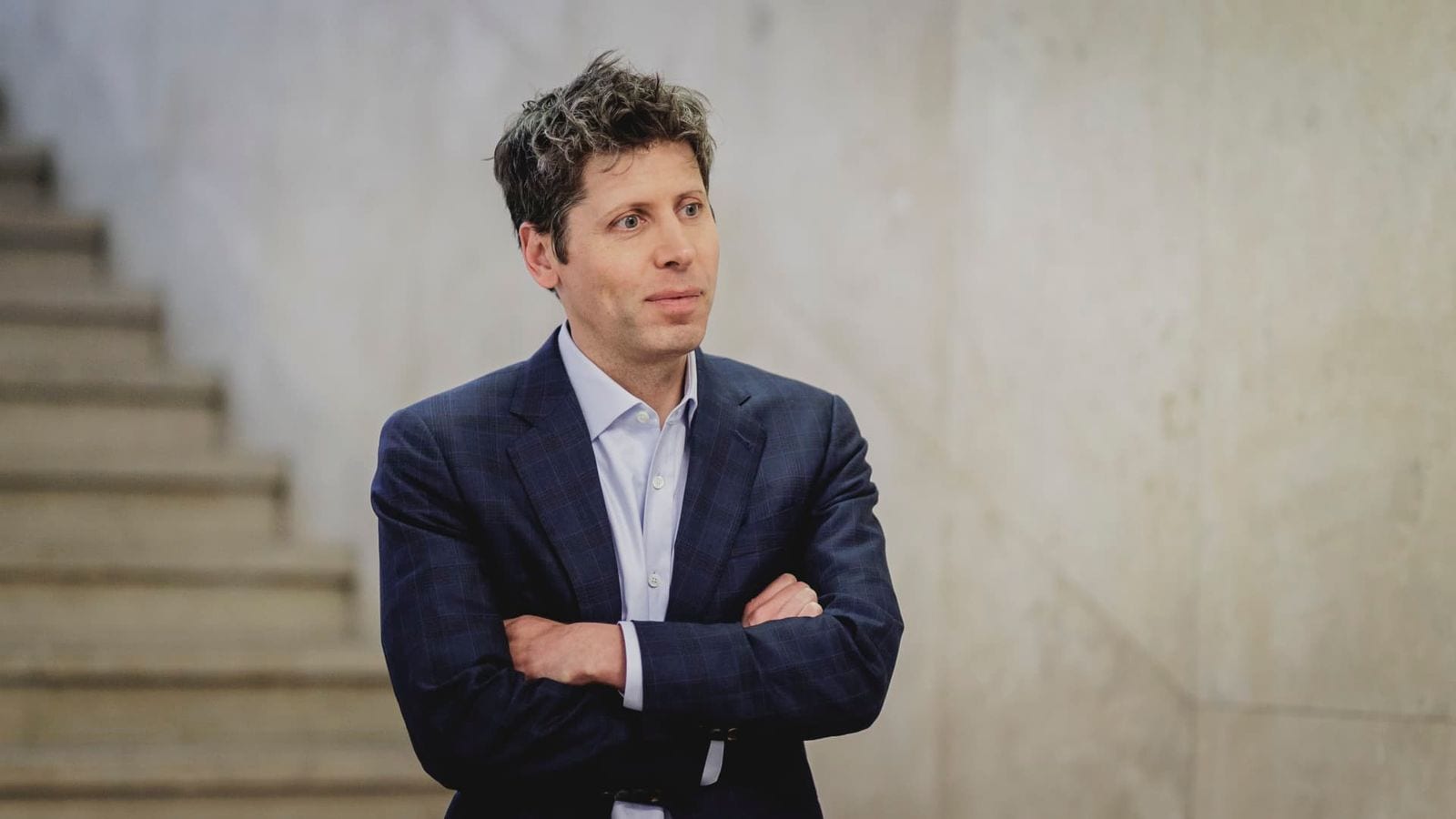
Advisers have warned OpenAI executives that retail enthusiasm may be limited given current market conditions. They presented CEO Sam Altman with two choices: wait until 2027 for markets to stabilize, or accept a lower valuation and go public by late 2026.
A source in direct contact with Altman told the Times he firmly rejected any compromise on the trillion-dollar figure. OpenAI's last private funding round valued the company between $730 billion and $852 billion. Altman is pushing advisers to reach a $1 trillion valuation at debut.
How bad are OpenAI's financials right now?
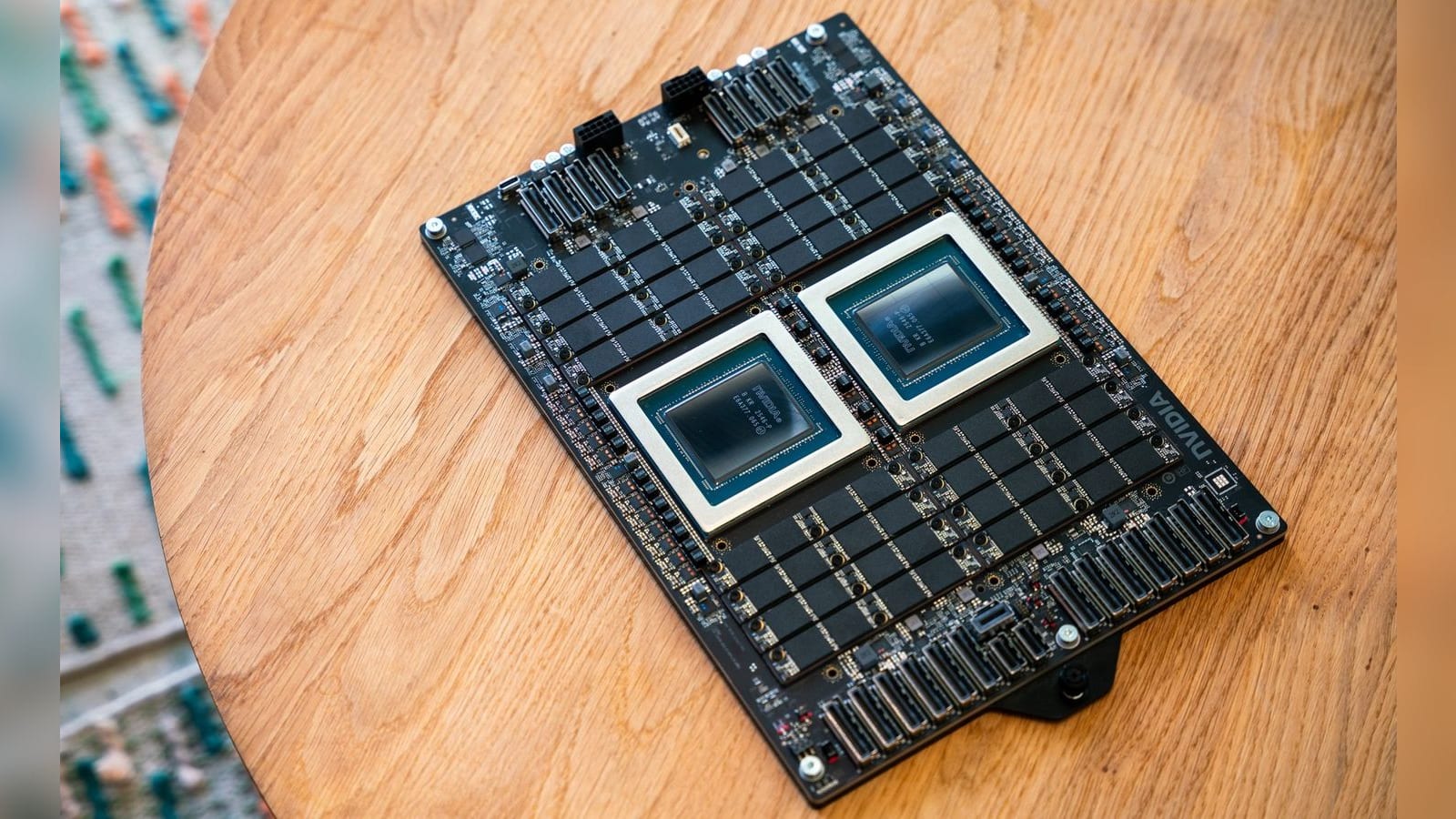
OpenAI's audited financial documents revealed a $38.5 billion net loss for last year. A $34 billion spending spree on computing power, R&D, and corporate restructuring drove that figure. For more context on OpenAI's burn rate, see our earlier coverage of OpenAI's Q1 losses.
You might also like

Revenue, however, has been explosive. The company is generating $2 billion per month. That gap between revenue growth and infrastructure cost is exactly what has Wall Street asking hard questions.
What did SpaceX's IPO show about market appetite?
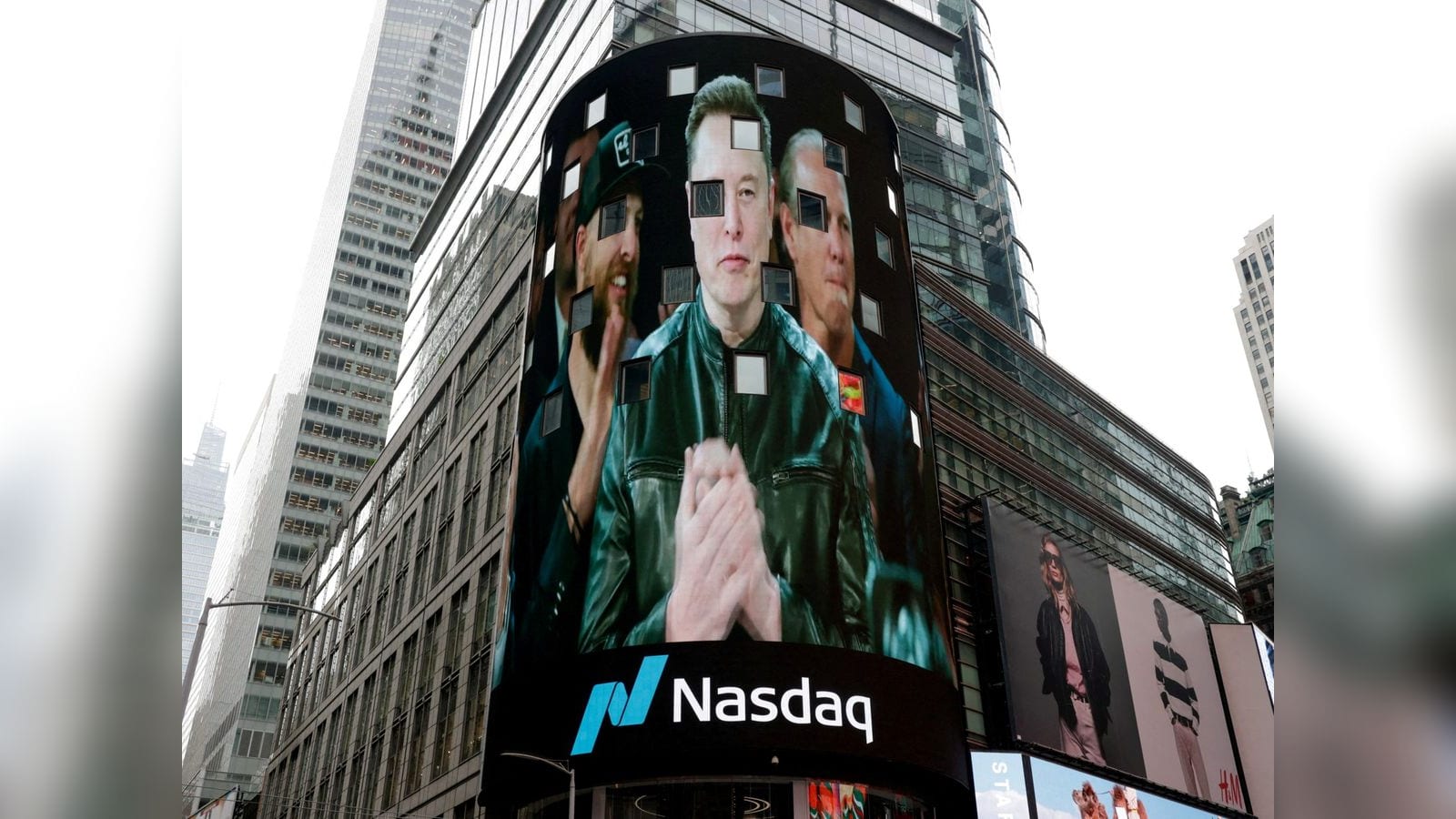
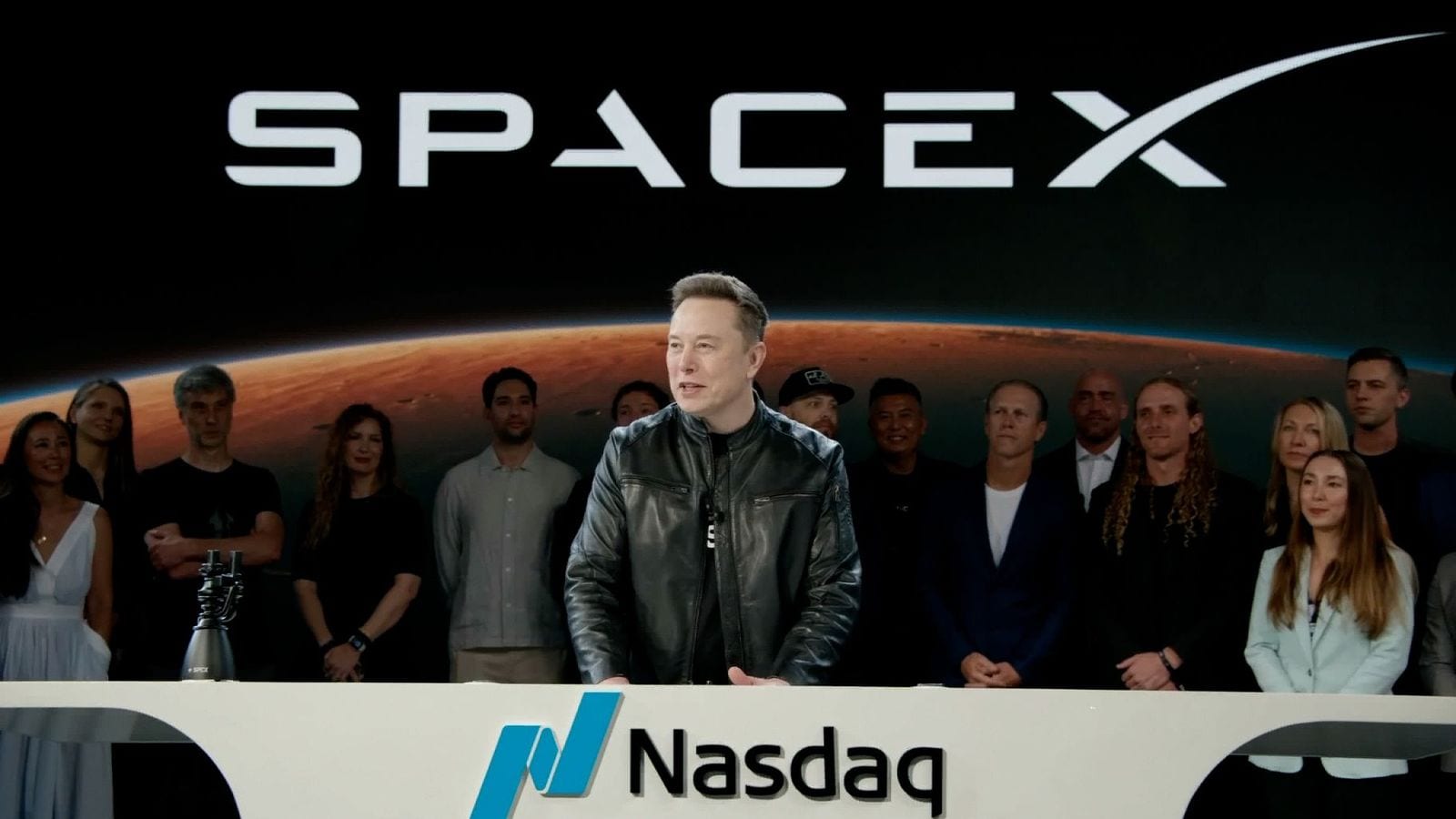
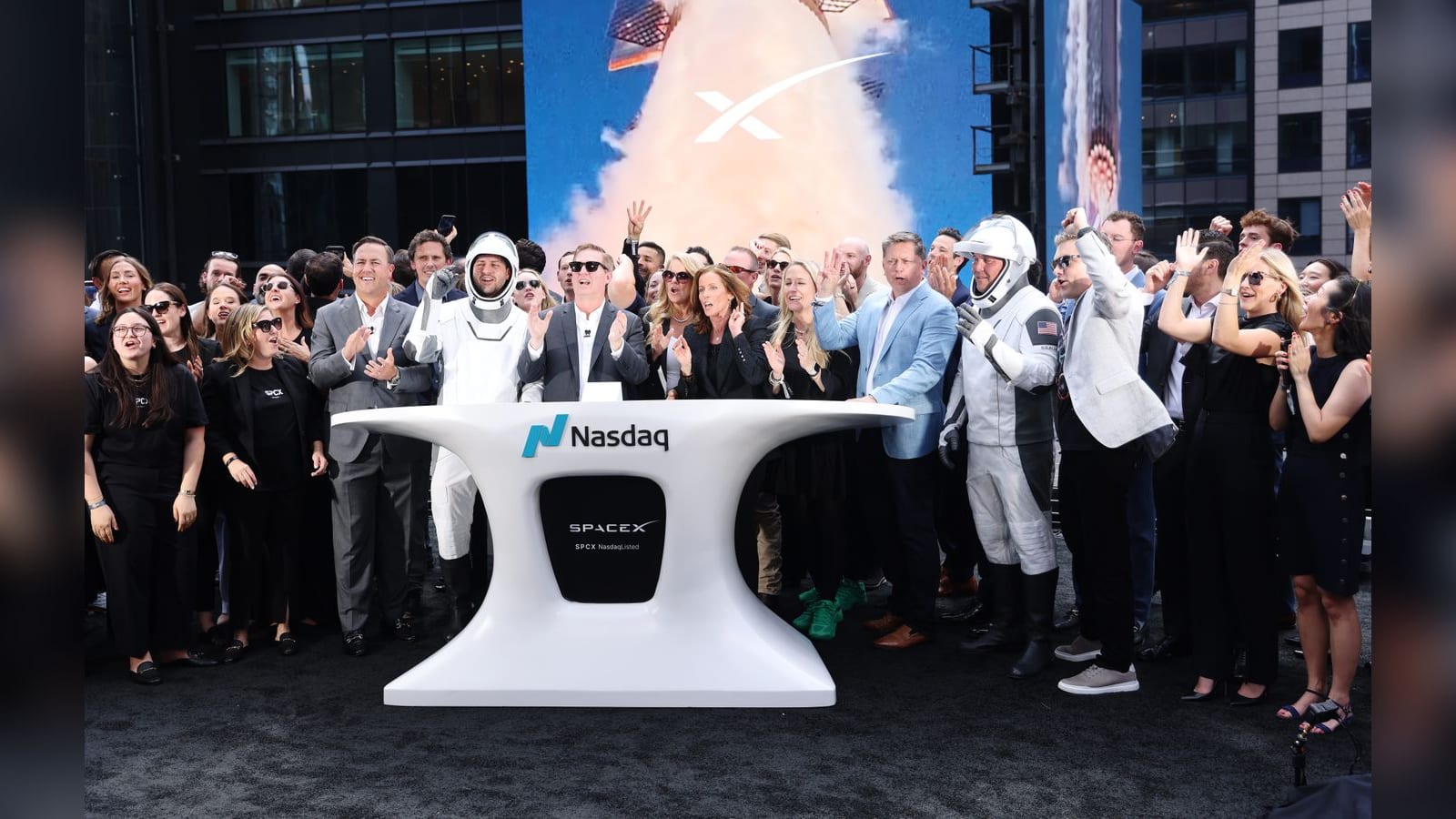
SpaceX debuted on Nasdaq in June 2026, raising over $85 billion at a $1.77 trillion valuation. It briefly surpassed Microsoft and Amazon in market value. CEO Elon Musk became the world's first trillionaire on debut day.
The aftermath was rougher. Al Jazeera reported that SpaceX shares fell below their $150 debut price, wiping out $600 billion in market value before recovering 2.4 percent. Shares had peaked at $202 before pulling back to $153. The IPO price was $135 per share, so shares remained 10 percent above that floor even at the low point.
Our read of the SpaceX situation: the post-IPO volatility gives OpenAI's advisers a concrete data point to justify caution. For more on that debut, see SpaceX's record IPO and the political pressure surrounding it at Sen. Warren's SEC challenge.
Is OpenAI racing Anthropic to go public?
Both companies filed confidential S-1s around the same time. Fortune reported that neither was required to announce their filings publicly, but both did. Anthropic announced its confidential filing the week before OpenAI. The two appear to be competing to go public first.
Anthropic was last valued at $965 billion. SpaceX's debut, Anthropic's filing, and OpenAI's filing together represent what some on Wall Street are calling a potential "trifecta" of trillion-dollar listings in a single year.
What are Wall Street analysts saying about the AI IPO wave?
Inigo Fraser Jenkins of AllianceBernstein warned clients about "the increased circularity of the whole thing." He noted that roughly one-third of tech sector earnings derive from cross-holdings in companies like Anthropic and OpenAI — including Alphabet's stake in Anthropic. That creates a feedback loop that investors may not be pricing correctly.
IG analyst Chris Beauchamp drew parallels to the early 2010s wave of loss-making tech IPOs, saying "the stakes are much higher and the risks much greater" this time. One CEO of a $1 billion-plus asset manager told Fortune he would not touch any of the three IPOs for at least six months.
Fraser Jenkins also noted that only a fraction of SpaceX's stock was offered publicly — about $75 billion worth — which is less than the rate at which corporate America buys back its own stock. The concern is less about supply overwhelming demand and more about the underlying business models. For broader context on AI infrastructure spending, see our piece on Goldman's AI capex projections.
Key figures at a glance
| Metric | Figure |
|---|---|
| OpenAI last private valuation | $730B–$852B |
| Altman's IPO valuation target | $1 trillion |
| OpenAI net loss (last year) | $38.5 billion |
| OpenAI compute/R&D spend | $34 billion |
| OpenAI monthly revenue | $2 billion |
| SpaceX IPO raise | $85+ billion |
| SpaceX debut valuation | $1.77 trillion |
| SpaceX IPO price per share | $135 |
| SpaceX debut price per share | $150 |
| SpaceX peak price per share | $202 |
| Anthropic last valuation | $965 billion |
What happens next?
For now, OpenAI has two confirmed paths on the table: delay to 2027 or accept a lower valuation for a late-2026 debut. Altman has publicly rejected the second option. The company's confidential S-1 is already with the SEC, which means it retains the option to move faster if conditions change. OpenAI's own statement noted: "It may be a while because there are things we want to do that are likely easier as a private company."
0 Comments
Log in to comment
Not a member yet? Join the community
Pick a meme
KlipyHave a great take?
Drop your email — we'll send a magic link so you can post it. No password.
Not a member of the community? Join today.
Join the community →