
What did Sen. Warren ask the SEC to do?
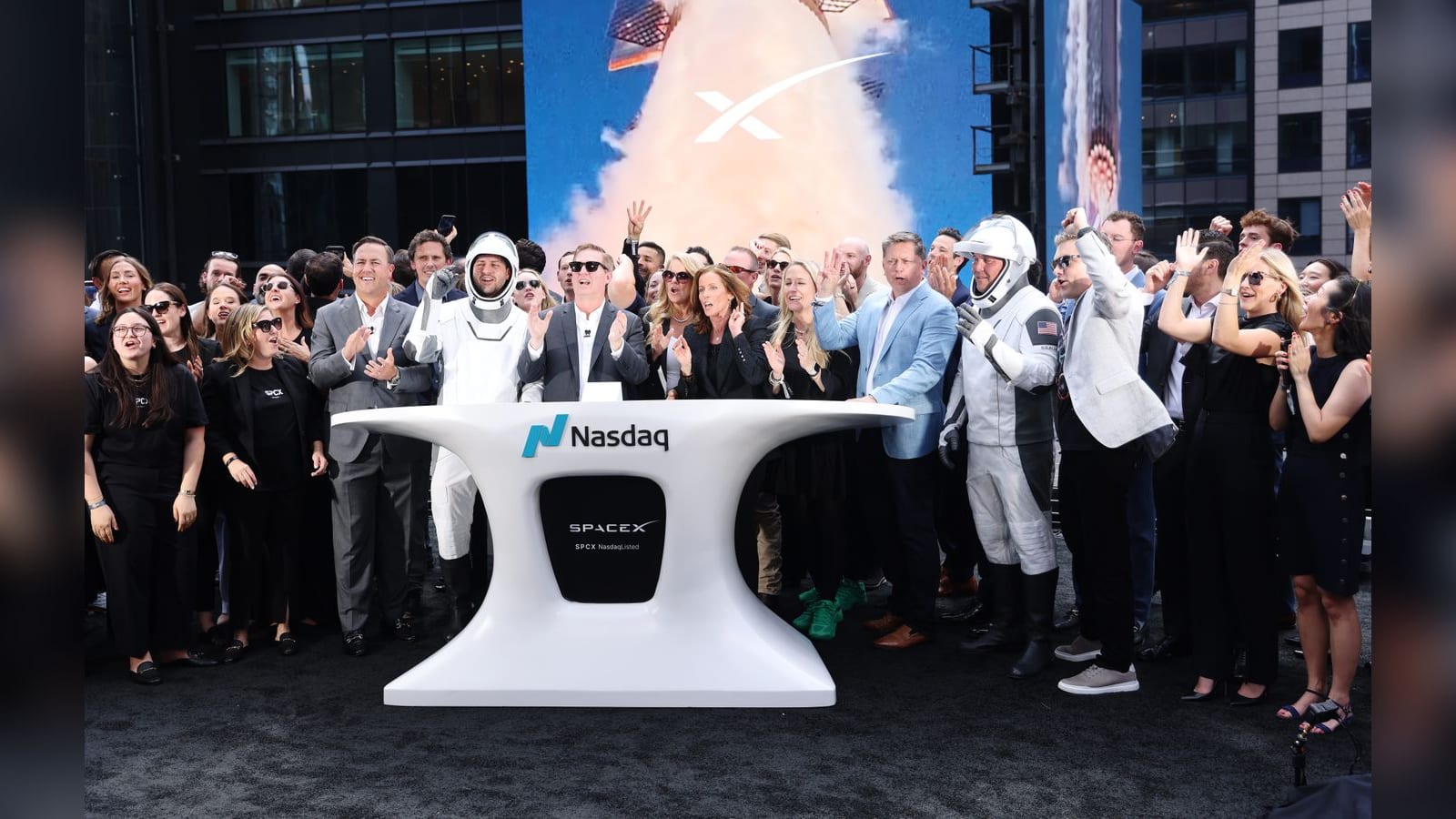
Sen. Elizabeth Warren, D-Mass., sent a 12-page letter to the Securities and Exchange Commission on Tuesday, June 10, 2026. She demanded the SEC delay SpaceX's upcoming initial public offering. SpaceX was scheduled to begin trading on Friday.
"Given the unprecedented threats to investor protection and market integrity posed by the biggest IPO in history, you must delay any eventual acceleration of the registration statement's effectiveness accordingly," Warren wrote, according to CNBC.
What specific concerns did Warren raise?
Warren's letter flagged three main issues. First, she raised the potential for "inaccurate or misleading accounting or valuation" connected to SpaceX's acquisition of xAI, a company owned by Elon Musk. Second, she pointed to conflicts of interest surrounding Musk's role as SpaceX's majority shareholder, describing his power as "uniquely unchecked." Third, she warned that fast-tracking SpaceX into major stock market indexes would carry "significant risks" for both active and passive investors.
Here is a breakdown of the three concerns Warren raised in her letter:
You might also like



| Concern | Detail from Warren's Letter |
|---|---|
| Valuation / Accounting | Potential for "inaccurate or misleading" figures around the xAI acquisition |
| Governance | Musk's "uniquely unchecked" power as majority shareholder |
| Index Inclusion | Fast-tracking into major indexes poses "significant risks" for passive investors |
Why does the xAI acquisition matter to investors?
Warren specifically called out SpaceX's acquisition of xAI, which is owned by Elon Musk. She argued the deal creates a conflict of interest. Musk controls SpaceX as its majority shareholder while also owning xAI. Warren's letter suggested the terms of that deal could produce misleading financial disclosures for prospective IPO investors.
For passive investors — people who hold broad index funds rather than picking individual stocks — the concern is different. Warren argued those investors cannot easily avoid a company once it enters a major index. As she wrote, active investors "at least are able to avoid investing in companies that engage in risky or unfair pract[ices]," implying passive investors have no such option.
When was SpaceX set to start trading?
SpaceX was set to make its market debut on Friday, according to CNBC's reporting. Warren's letter was sent to the SEC on Tuesday, giving regulators three days before the planned trading start.
Barron's also reported on Warren's call to halt the IPO, noting the senator's demand without indicating the SEC had taken any action in response.
What is the SpaceX IPO's scale?
Warren described it in her letter as "the biggest IPO in history." The sources do not specify a dollar figure for the offering, but Warren's framing of it as historically large was central to her argument for why the SEC should intervene.
Here's what we know so far: the sources confirm Warren sent the letter and describe its contents in detail, but they do not report any response from the SEC or from SpaceX.
Who is affected beyond direct SpaceX investors?
Warren's letter drew a line between two groups of investors. Active investors choose their own holdings and can avoid SpaceX stock if they choose. Passive investors, who hold index funds, would be automatically exposed to SpaceX once the company is added to major indexes. Warren argued that fast-tracking that index inclusion would carry "significant risks" for the passive investor group specifically.
This dynamic is relevant to anyone tracking how large IPO valuation events ripple through the broader market — similar questions have come up around other high-profile tech listings. Builders and founders watching the Perplexity CEO revenue story will recognize the pattern: governance and valuation transparency are increasingly front-of-mind for regulators as AI-adjacent companies go public.
The concerns Warren raised also connect to broader debates about AI labor and corporate power that have been building across the tech sector. And as companies like Nvidia in Texas make large capital commitments, the question of how regulators handle concentrated ownership in tech is becoming harder to ignore.
Key timeline of events
- Tuesday, June 10, 2026 — Warren sends 12-page letter to the SEC demanding a delay
- Wednesday, June 10, 2026 — Letter shared with CNBC; Barron's reports on the demand
- Friday (planned) — SpaceX scheduled to begin trading on public markets
SpaceX's planned Friday trading debut remains the next confirmed milestone in this story.


0 Comments
Log in to comment
Not a member yet? Join the community
Pick a meme
KlipyHave a great take?
Drop your email — we'll send a magic link so you can post it. No password.
Not a member of the community? Join today.
Join the community →