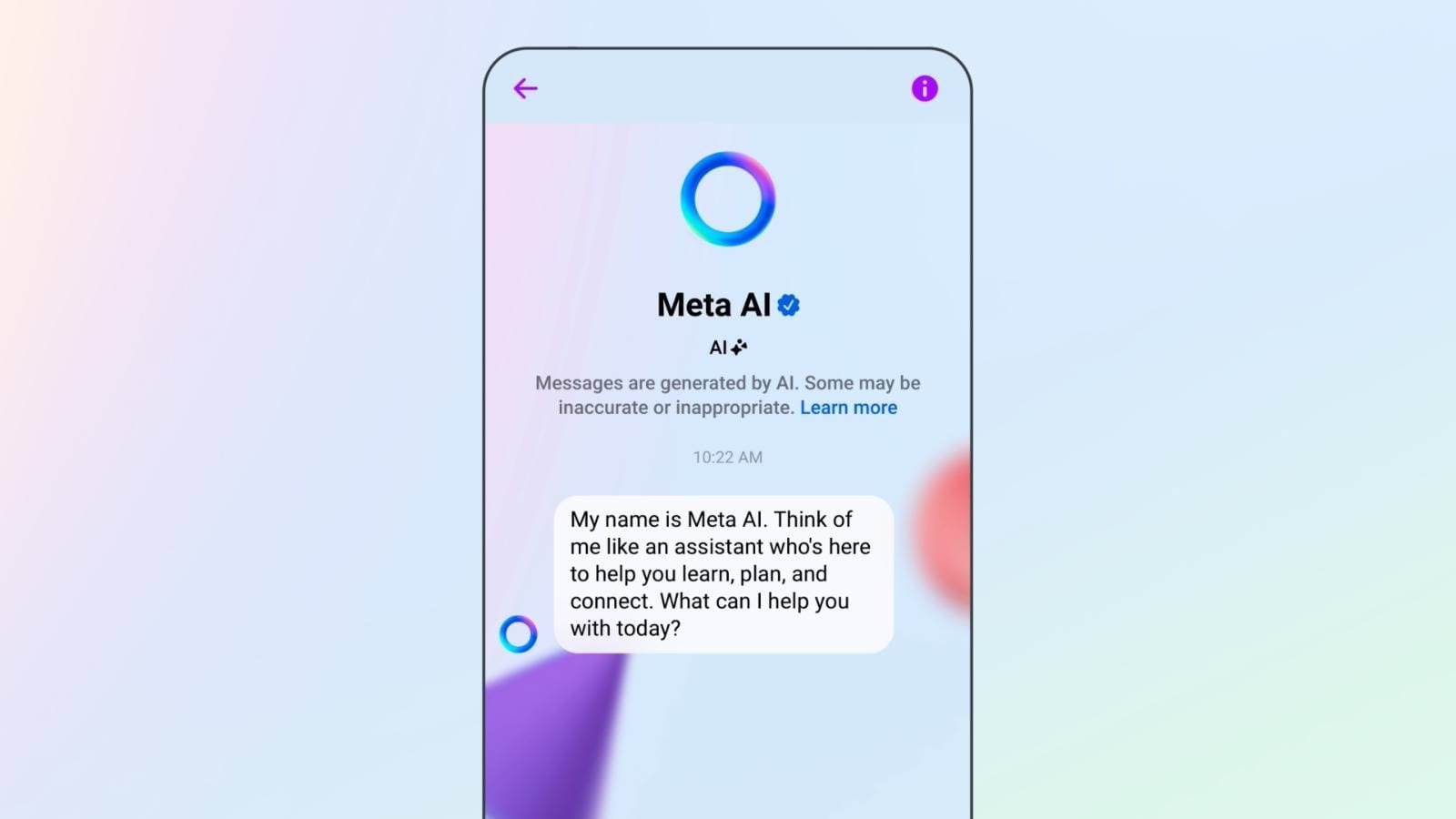
What is Meta Muse Image?
Muse Image is a free AI image generator built by Meta Superintelligence Labs, Meta's dedicated AI unit. Meta unveiled Muse Image on July 7, 2026, making it available through the Meta AI app, Instagram Stories, and WhatsApp. The feature was internally code-named Mango.
Users can generate images from text prompts. Muse also includes "presets" — prefabricated image prompts — to help users get started. Basic use is free, but a subscription plan kicks in once users exceed a usage limit.
What feature caused the privacy backlash?
The controversy centers on one specific capability. Muse Image lets users tag any public Instagram account and use that person's photos to generate new AI images — without notifying the account owner.
Only private accounts and users under 18 are automatically excluded. Everyone else is opted in by default. Meta's own policy states: "you will not be notified about content created using AI features at Meta."
One user on X called it a "privacy landmine waiting to detonate," after The Verge first flagged the feature. Meta says users can disable this through Instagram's sharing controls, but the setting is opt-out, not opt-in.
Why does Meta's privacy history matter here?
Meta paid a then-record $5 billion fine to the FTC in 2019 after Cambridge Analytica improperly harvested data from tens of millions of Facebook users without their knowledge. Facebook had known about the misuse for years before it became public.
You might also like

Meta also shut down Facebook's facial-recognition system in 2021 amid lawsuits and regulatory pressure over biometric data collection. Muse Image's opt-out default fits a pattern regulators and users have flagged before. This is worth noting if you're thinking about how Google's AI training opt-out compares — similar consent debates are playing out across the industry.
What did Meta remove, and when?
According to Deadline's reporting, Meta removed the Muse Image feature following the backlash. The rollout and removal both occurred in the days surrounding the July 7, 2026 launch.
What else can Muse Image do?
Beyond the photo-tagging feature, Muse Image has several other applications:
- Custom ads — users can generate AI-powered advertising creative
- Interior decorating — a promotional video showed a user previewing how a secondhand couch might look in their space, integrated with Facebook Marketplace
- Prompt-based image editing — users can erase photobombers, mock up images in front of landmarks, or generate functional QR codes
- Instagram Stories effects — customizable AI filters that modify existing photos
Meta also confirmed that Muse Video, an AI video generator, is already in development.
What is Muse Spark 1.1?
Muse Spark 1.1 is a multimodal AI model built for agentic coding and workflow automation. Meta launched it alongside the Muse Image rollout, positioning it as a competitor to OpenAI and Anthropic offerings.
Meta priced Muse Spark 1.1 slightly above Anthropic's Claude Haiku 4.5 and OpenAI's GPT-5.6 Luna. Meta CEO Mark Zuckerberg posted about the release on X — his first post on the platform in three years — describing Spark as a strong, low-cost agentic model. He noted additional releases are expected soon.
The launch arrived during what The AI Insider described as a highly competitive week for AI model releases across the industry. Builders tracking the agentic AI space will want to benchmark Spark against the current field.
How much is Meta spending on AI infrastructure?
Meta's AI ambitions come with a massive price tag. Here's what the sources confirm:
| Metric | Figure |
|---|---|
| 2026 capital expenditure range | $125B – $145B |
| Compute deployed in 2026 | 7 gigawatts |
| Planned compute in 2027 | 14 gigawatts (double 2026) |
| AI chip production start | September 2026 |
Meta's latest AI chips are developed under its Meta Training and Inference Accelerator program, in partnership with Broadcom, and manufactured by TSMC. The chips are designed to support training for Meta's ranking algorithms, broader AI workloads, and inference. This level of infrastructure spend puts Meta alongside Amazon's $25B bond raise as one of the biggest AI infrastructure bets of 2026.
What other AI products has Meta launched recently?
Meta has released several AI products over the past year:
- Creator — an AI assistant on Facebook
- Pocket — an app for vibe-coding video games
- Muse Image — the AI image generator launched July 7, 2026
- Muse Spark 1.1 — the multimodal agentic model launched alongside Muse Image
Here's what we know so far: Meta's AI strategy remains broad, spanning consumer apps, developer tools, and infrastructure — and the pace of releases is accelerating.
The most concrete next step confirmed by the sources: Meta's new AI chips are scheduled to enter production in September 2026, and Muse Video is already in development.


0 Comments
Log in to comment
Not a member yet? Join the community
Pick a meme
KlipyHave a great take?
Drop your email — we'll send a magic link so you can post it. No password.
Not a member of the community? Join today.
Join the community →