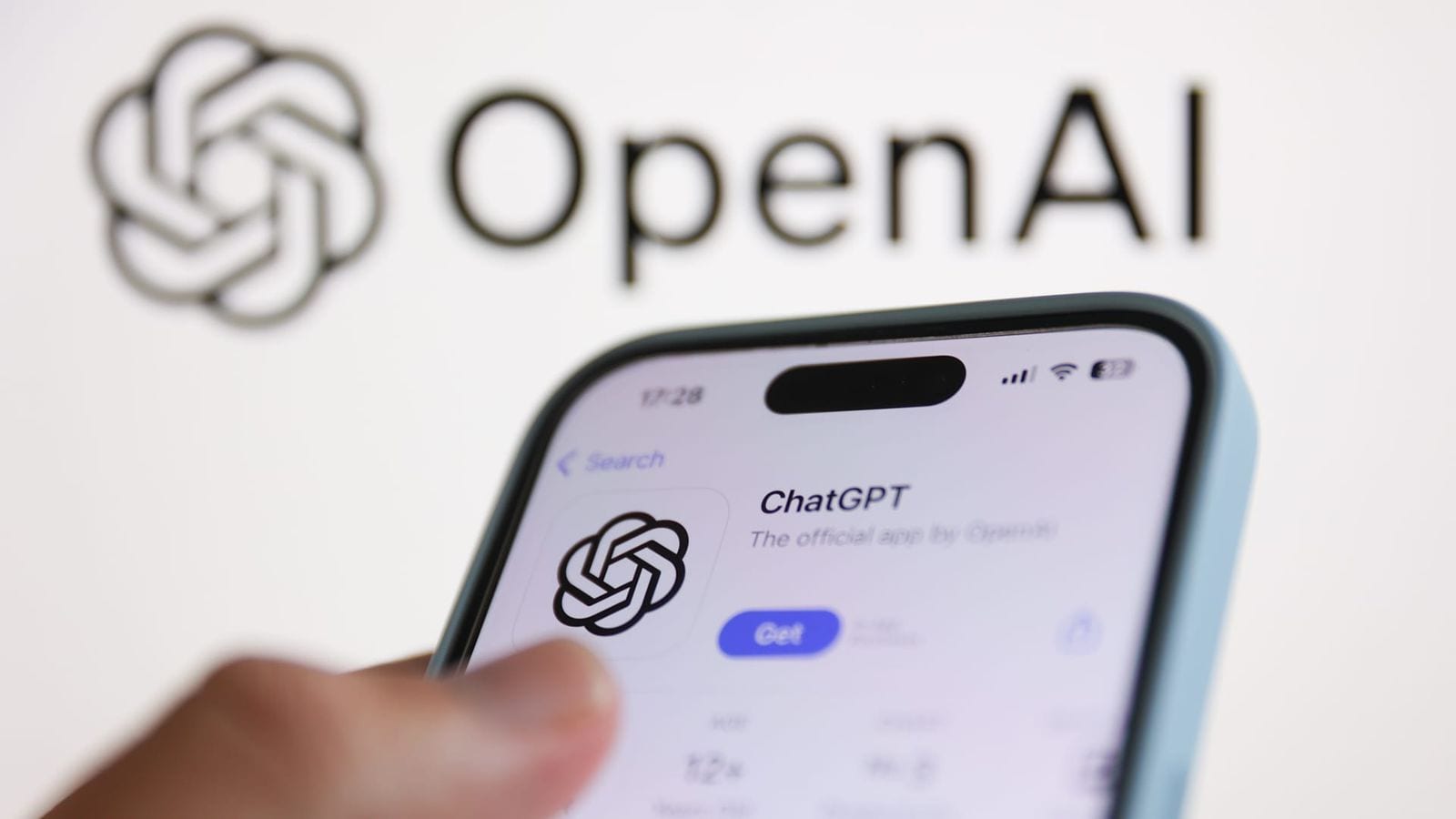
What did OpenAI find and do?
OpenAI banned China-linked accounts that used ChatGPT to run social media influence campaigns targeting U.S. policy debates, the company announced Wednesday. The company uncovered two separate operations. Both used ChatGPT to generate posts, comments, and political cartoons about U.S. tech policy.
OpenAI said the campaigns failed to gain much online traction.
What were the two campaigns targeting?
Both operations latched onto existing U.S. political flashpoints. One focused on tariffs. The other targeted debates over AI data center construction — including power grid capacity and electricity prices.
In the data center campaign, users OpenAI believes were linked to a Chinese government contractor asked ChatGPT to create comic strips about those energy topics.
Why does OpenAI say this matters?
OpenAI described the campaigns as an early sign of how foreign influence operators may use AI tools to scale content around U.S. political flashpoints. The company said the goal appeared to be amplifying existing political and economic divisions — not creating new ones.
You might also like


What are House Republicans doing about data center opposition?
Separately, House Energy and Commerce Chair Brett Guthrie (R-Ky.) led a letter to the Trump administration on June 4 urging an investigation into alleged foreign efforts to slow U.S. AI development. The letter was co-signed by Subcommittee Chairs Bob Latta (R-Ohio) and John Joyce (R-Pa.).
Republicans cited "strong evidence" that opposition to data centers in U.S. communities is driven, at least in part, by foreign influence campaigns linked to China.
"Americans deserve to know who is bankrolling the disinformation campaign that seeks to block critical infrastructure investments," Guthrie said.
What evidence did Republicans point to?
The letter cited two reports. One came from the Bitcoin Policy Institute, arguing that Chinese state media, foreign-funded nonprofits, and anti-data-center advocacy groups form a broader opposition ecosystem. The other, from the right-leaning group Power The Future, alleged that billionaire donors with foreign ties funnel money through nonprofits to drive data center opposition.
Neither report establishes direct coordination between foreign governments and specific U.S. anti-data-center campaigns. Both point to funding relationships, overlapping messaging, and ideological alignment.
What did the Trump administration and opponents say?
President Trump, asked whether he was worried China was funding an anti-data-center movement, said: "No, I'm not worried about it. We had a great meeting with China."
Interior Secretary Doug Burgum had previously said at a May event: "It's not organic and local, some of this is foreign-sourced dark money coming in."
Food & Water Watch, a group that has pushed for data center moratoriums, called the GOP letter's claims "disingenuous attacks" tied to Big Tech. Policy director Jim Walsh pointed to "skyrocketing energy bills for everyday families" and "alarming water consumption" as the real drivers of public opposition.
What is the current state of data center legislation?
Opposition to data centers has gained ground in both Republican- and Democratic-leaning areas. The New York Legislature is set to pass a one-year moratorium on certain data center developments. Utah Senate President J. Stuart Adams has called on a major data center project to reduce its footprint.
Sen. Bernie Sanders and Rep. Alexandria Ocasio-Cortez have announced plans for federal legislation placing a moratorium on new data center development, though it currently lacks significant traction.
Republicans asked the President's Council of Advisors on Science and Technology and FBI Director Kash Patel for a briefing by June 18 on how the administration is investigating and mitigating foreign influence campaigns.



0 Comments
Log in to comment
Not a member yet? Join the community
Pick a meme
KlipyHave a great take?
Drop your email — we'll send a magic link so you can post it. No password.
Not a member of the community? Join today.
Join the community →