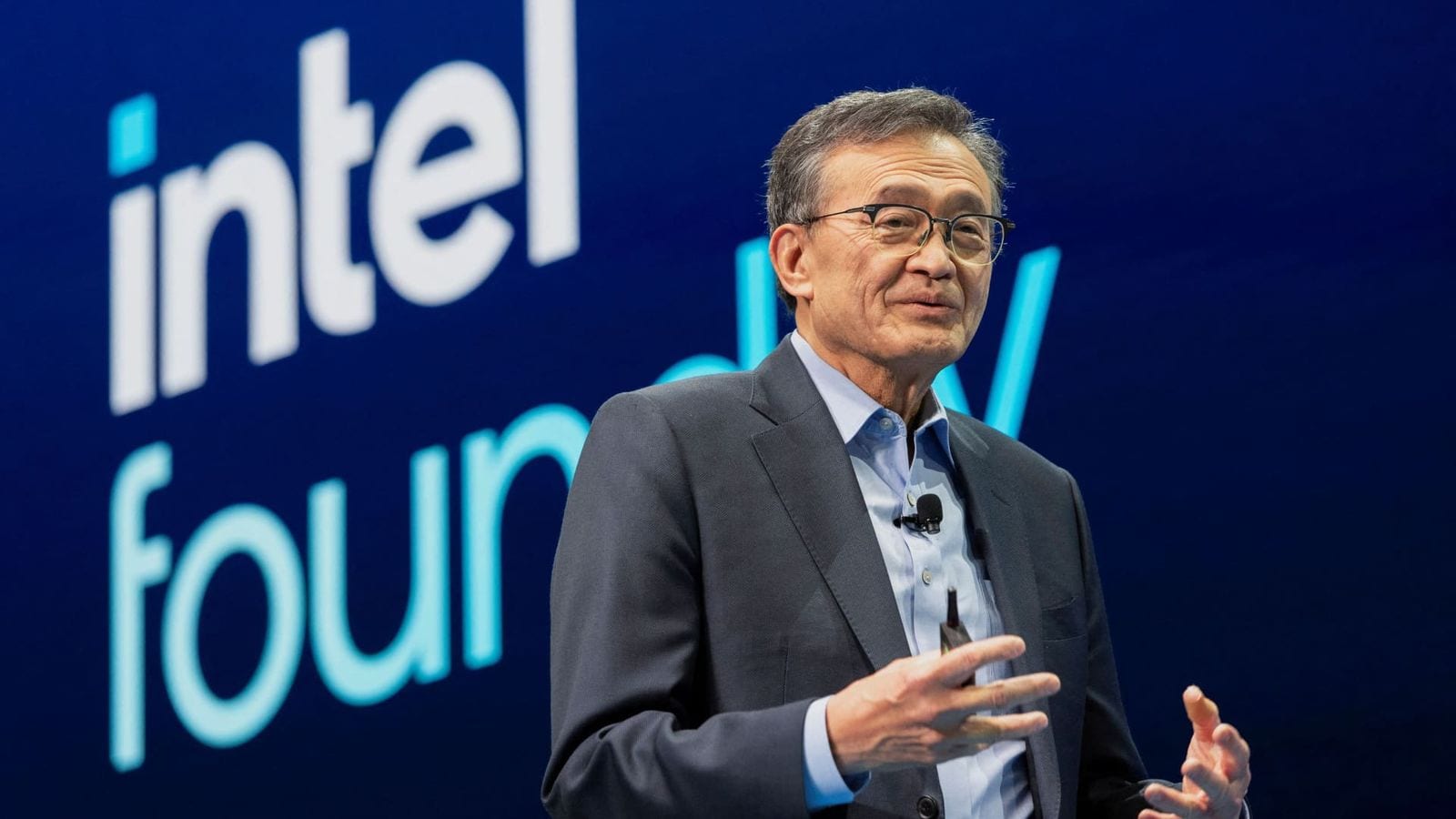
What did Trump announce about Apple and Intel?
President Donald Trump announced on June 18, 2026, that Apple agreed to work with Intel to design and build chips in the United States. Trump made the announcement in a post on Truth Social. "Apple has agreed to work with Intel to design and build its Chips in America," he wrote. Neither Apple nor Intel has formally confirmed the deal, according to CNBC.
Intel's stock surged 10% on the day of the announcement. The stock has risen 464% over the past 12 months, pushing Intel's market cap to $608.7 billion.
Why is Apple looking beyond TSMC?
TSMC is Apple's primary chip manufacturer. Supply constraints at TSMC have held back iPhone sales, Apple CEO Tim Cook said in April. TSMC is struggling to meet surging demand for AI chips from companies like Nvidia.
The Apple-Intel deal would pair Intel's push to rebuild its contract chipmaking business with Apple's need for more manufacturing capacity.
How long before Intel can actually make chips for Apple?
This is where analysts pump the brakes. Malcolm Penn, CEO of chip research firm Future Horizons, said the best-case scenario is 2–3 years before the first chips come off the line. He broke it down: two years to design a system on chip (SoC) of this complexity, plus four months of production cycle time to reach volume ramp-up.
Penn called the deal "a shotgun wedding" and added a pointed caveat. "With no track record, that's a huge leap of faith and commercial and financial risk," he said. His estimate assumes Intel's technology is fully worked out and its design tools are reliable enough for Apple to depend on — neither of which is guaranteed.
You might also like


Daniel Newman, CEO of tech research firm Futurum Group, said volume production of Apple-designed chips is unlikely until late 2027 or early 2028. He added that initial work would focus on less critical components used in products like the MacBook Air or some iPad Pro models.
Which Intel process node would Apple use?
Analysts are split. Here's how the options break down:
| Process Node | Status | Analyst View |
|---|---|---|
| Intel 14A | Years from volume production; uses world's most advanced tools | Some expect Apple to target this, available 2028–2029 |
| Intel 18A-P | Began initial production June 2026 | Others expect Apple to favor this for reliability |
| Intel 3 | Older, established node | Seen as a fallback for reliability-focused approach |
Bob O'Donnell, an analyst at TECHnalysis Research, said Apple would probably want Intel's 14A process, which is expected to be available in 2028 or 2029. He called it "an extremely important development for Intel's foundry business and US-based semiconductor manufacturing in general" — if the deal proves true.
Some analysts expect Apple to hedge. It may test Intel with lower-end products before committing its most critical chips to the new foundry relationship, as Reuters reported.
What is Intel's track record as a chip manufacturer?
Intel has historically faced problems with chip yield and production timelines. Yield is the percentage of chips on a silicon wafer that work correctly after manufacturing. Apple has come to expect high yield rates from TSMC, and Intel will need to match that standard.
Paul Meeks, head of tech research at Freedom Capital Markets, was blunt. "Investors are pricing in perfect execution by Intel, which is a company that hasn't delivered for about 20 years," he said. He acknowledged Intel appears to have made strides with its latest manufacturing process, but said a perfect outcome should be "at least modestly" discounted.
How does this fit Intel's broader comeback?
Here's what we know so far: Intel's revival is being built on a string of high-profile partnerships, each announced with White House involvement.
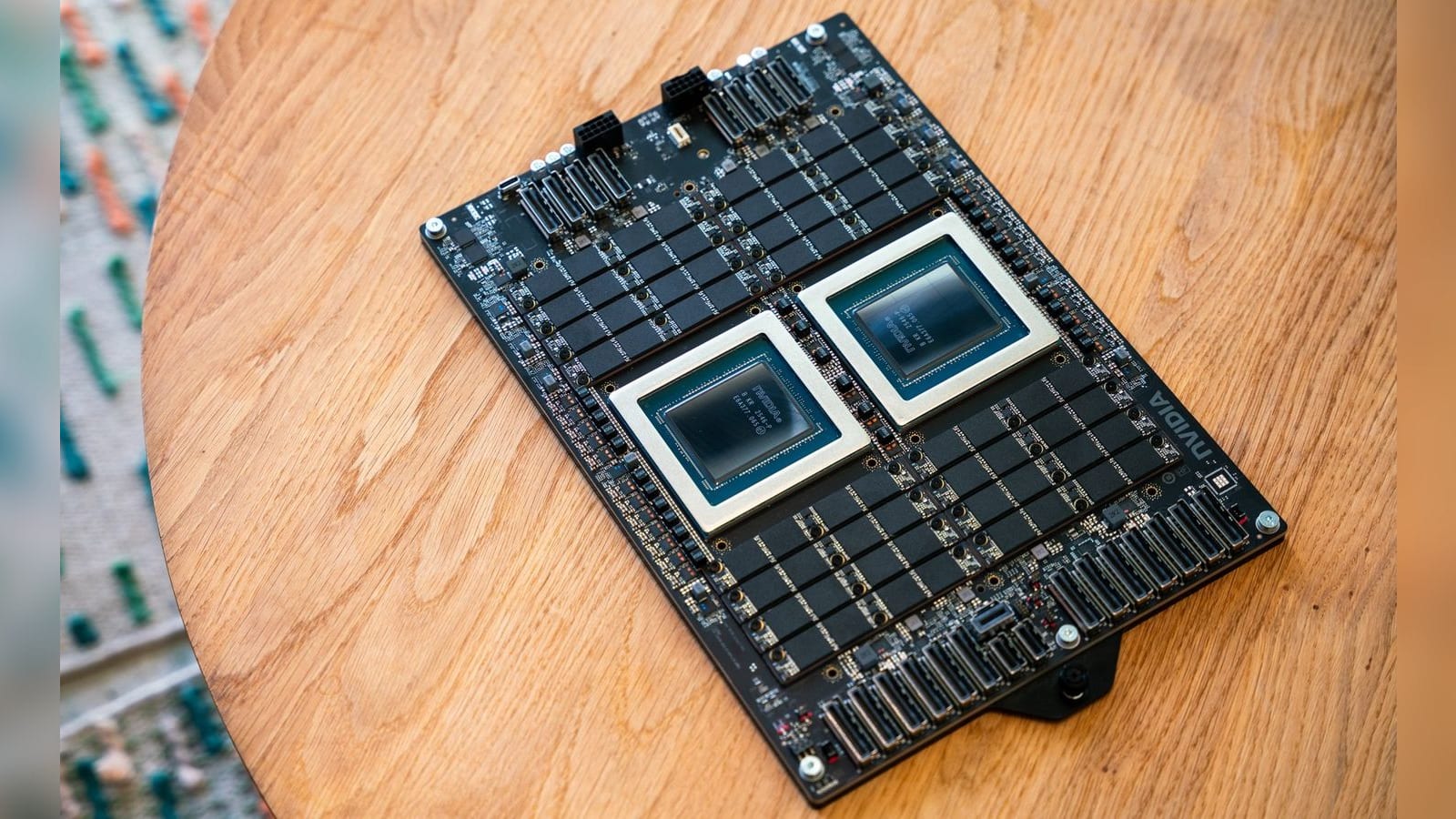
Trump said Nvidia agreed to build its first-level chips with Intel. He also said Elon Musk agreed to build "TerraFab," described as the largest chip factory in the world, designed with Intel's technology team. The Terafab project is the first major outside commitment for Intel's foundry business, which had previously only manufactured chips for its own products.
Intel also landed Tesla as a foundry customer in April 2026. The U.S. government holds a 10% stake in Intel and facilitated a $5 billion investment from Nvidia. This broader push is part of Washington's plan to rebuild domestic chipmaking through tariffs and incentives.
For context on how the U.S. is positioning itself in the global chip race, the ASML EUV export concern story shows how tightly Washington is monitoring advanced chipmaking tools. And Nvidia's own manufacturing push — including its Texas factory groundbreaking — is part of the same domestic production wave Intel is now joining.
The Nasdaq PHLX Semiconductor Sector Index, which tracks the 30 largest U.S.-traded chip companies, is up 90% so far in 2026.
What are the key milestones to watch?
- June 18, 2026 — Trump announces Apple-Intel deal on Truth Social; Intel stock rises 10%
- June 2026 — Intel 18A-P begins initial production
- Late 2027 / Early 2028 — Earliest expected volume production of Apple chips on Intel nodes, per Futurum Group
- 2028–2029 — Intel 14A process expected to be available, per TECHnalysis Research
Intel's ability to meet Apple's yield standards — and deliver on the 14A process timeline — will determine whether this partnership moves from announcement to actual production. The next concrete milestone, per analysts, is Intel demonstrating reliable output on 18A-P before Apple commits its most critical chip designs.
For more on how chip companies are expanding U.S. production capacity, see Nvidia's supercomputer push and the broader Amazon Trainium strategy taking shape alongside Intel's foundry ambitions.

0 Comments
Log in to comment
Not a member yet? Join the community
Pick a meme
KlipyHave a great take?
Drop your email — we'll send a magic link so you can post it. No password.
Not a member of the community? Join today.
Join the community →