What did the Invesco sovereign investor survey find?
Sovereign wealth funds and central banks managing $29 trillion in assets are rotating into energy infrastructure and raising concerns about the dollar, according to an Invesco survey published Monday, June 29, 2026. The survey covered 90 sovereign wealth funds and 54 central banks. It found portfolios being rebuilt around resilience rather than traditional diversification, as Reuters reported via KFGO.
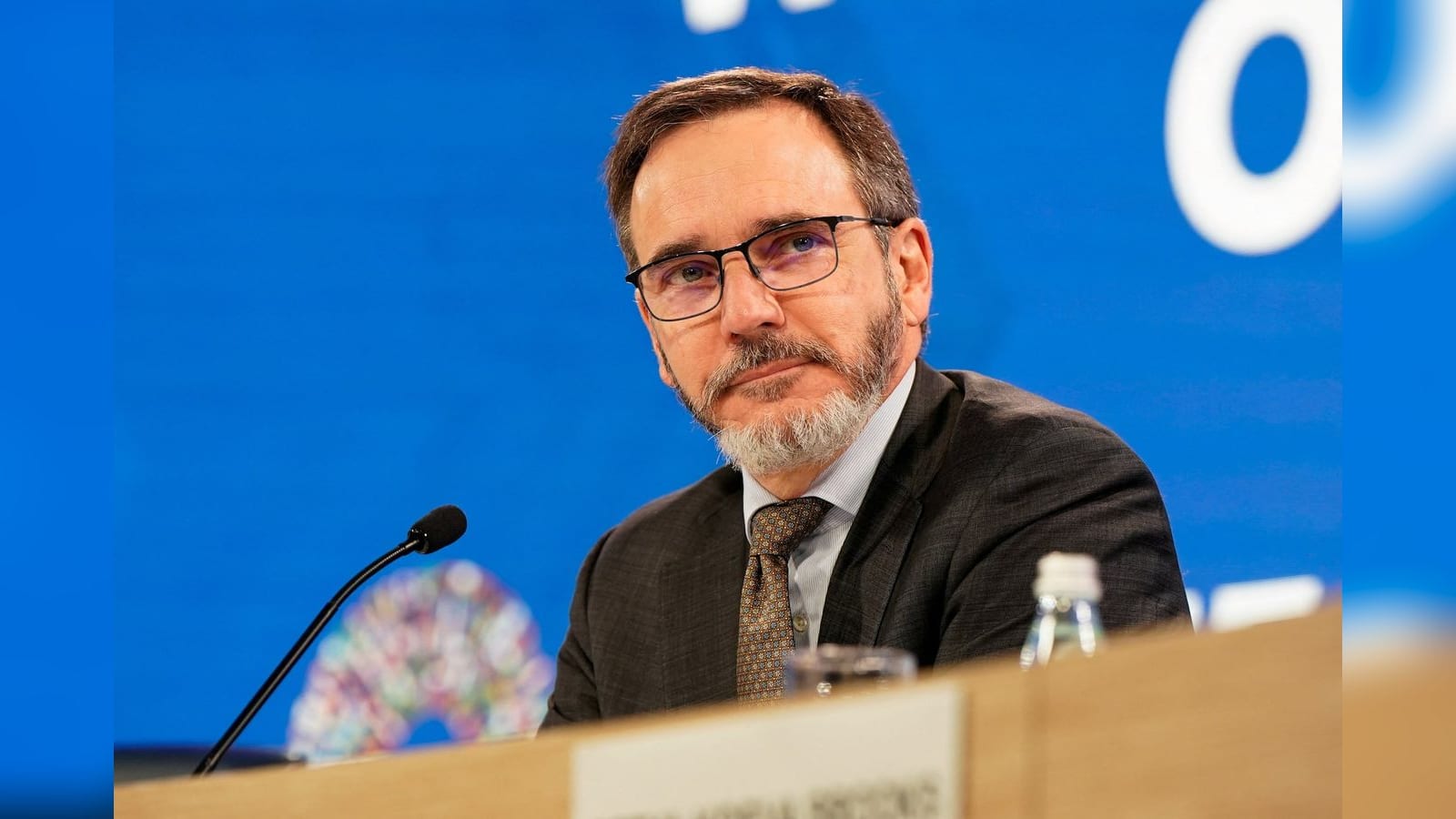
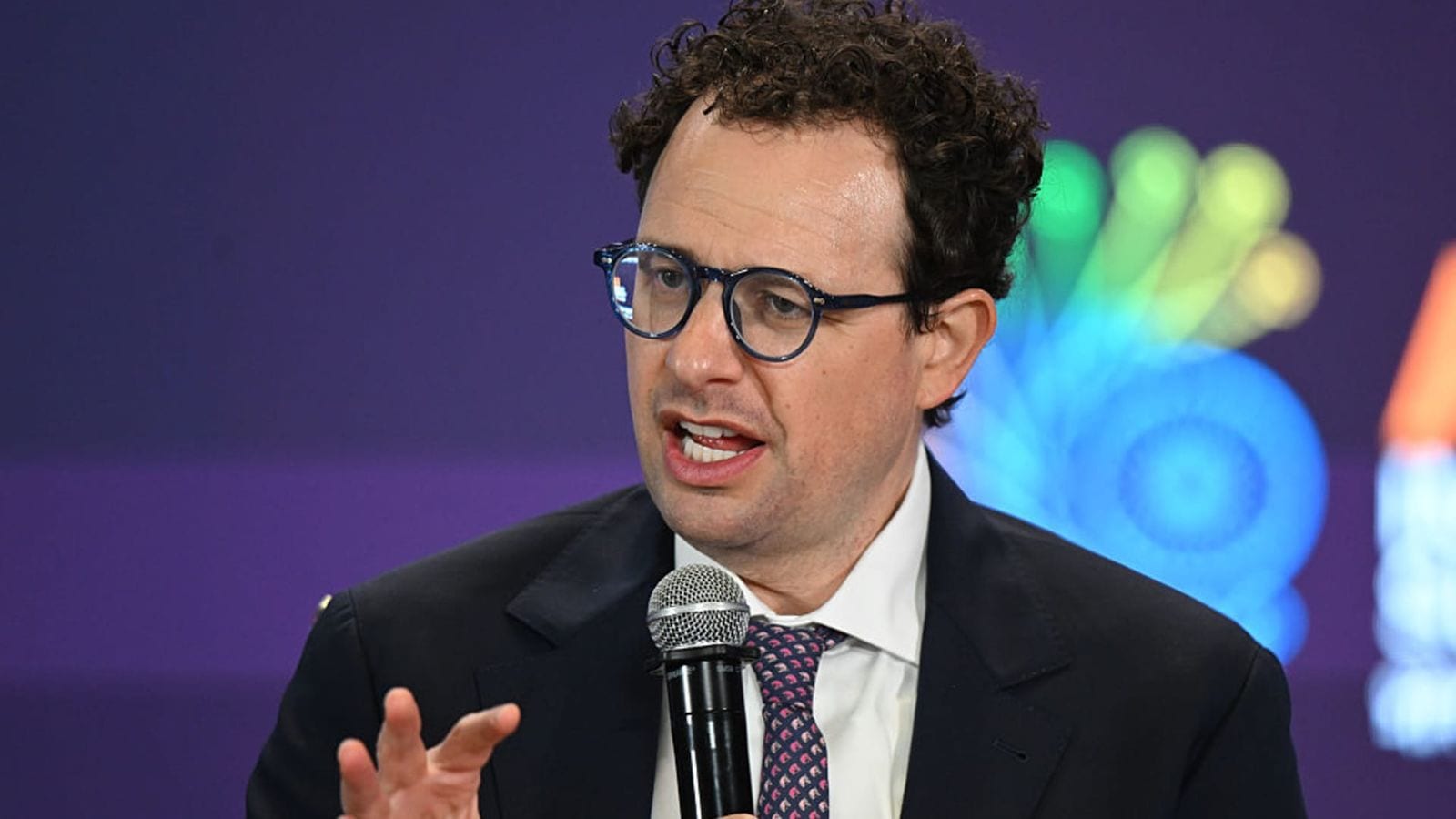
Invesco head of research Benjamin Jones described the shift plainly: "In a world of inflation shocks, geopolitical fragmentation and more concentrated markets, investors are rethinking old assumptions about diversification and redesigning portfolios to withstand a wider range of outcomes." He added: "Resilience is becoming a hard requirement, not a nice-to-have."
Why are sovereign funds moving into energy assets?
Some 80% of respondents said energy security and energy transition infrastructure were the most credible investments for making portfolios more resilient. Infrastructure reached 9% of sovereign wealth fund assets in 2026, up from prior years. The survey cited trade tariffs, closed shipping channels, and wars in Ukraine and the Middle East as the pressures driving this shift.
The race to build energy-hungry AI infrastructure also added to the appeal of energy assets, Invesco found. Sovereign funds want portfolios that can "take a hit and still hold it together," the report said.
You might also like

How worried are central banks about the U.S. dollar?
Dollar concerns were described as "widespread and deepening." The clearest data point: 61% of central banks polled said U.S. debt levels negatively impact the dollar's long-term position as a reserve asset. That figure was just 20% in 2024 — a tripling in a single year.
Looking further out, 29% of all survey respondents said the dollar's reserve-currency status will be weaker in five years. In 2022, only 12% said the same. The dollar has risen about 3% this year, partly due to the U.S.-Israeli conflict with Iran, but analysts cited in the report say U.S. policy uncertainty and high debt could weaken the currency over the long term.
The lack of a credible alternative means any move away from the dollar will be gradual. The survey noted renminbi potential but did not describe it as an imminent replacement.
Which institutions are reviewing U.S. financial infrastructure?
Several institutions told Invesco they were actively reviewing reliance on U.S.-based custodians, counterparties, and clearing infrastructure. One European central bank confirmed it had already replaced its U.S. custodian. A Latin American central bank said it was building new non-U.S. custodial relationships to prepare for a "worst-case scenario."
One central bank respondent flagged the political risk of such moves: "This act in and of itself could be interpreted as hostile by the U.S."
Here's what we know so far: the custodian reviews are happening quietly, and at least one institution has already acted — not just planned to.
Why are sovereign funds adding gold?
One-third of the 144 institutions surveyed said they intend to boost gold holdings as part of their diversification push, according to Invesco data covered by InvestingLive. The driver is structural, not tactical. The traditional bond-equity diversification relationship has broken down as the two asset classes moved in positive correlation during recent inflation shocks. That erosion has pushed sovereign allocators toward real assets, including gold and infrastructure.
Gold offers deep liquidity, no counterparty risk, and no exposure to the U.S. financial infrastructure that institutions are reassessing. It can be held in allocated form outside U.S.-dominated clearing and settlement networks entirely.
Key figures from the Invesco survey
| Metric | 2022 / 2024 baseline | 2026 figure |
|---|---|---|
| Central banks citing U.S. debt as negative for dollar | 20% (2024) | 61% |
| Respondents expecting weaker dollar reserve role in 5 years | 12% (2022) | 29% |
| Respondents planning to increase gold holdings | — | One-third |
| Respondents naming energy infrastructure as top resilience investment | — | 80% |
| Infrastructure share of sovereign wealth fund assets | — | 9% |
| Sovereign wealth funds surveyed | — | 90 |
| Central banks surveyed | — | 54 |
What role does AI play in this investment shift?
The AI infrastructure buildout is energy-intensive, and that demand is making energy assets more attractive to sovereign investors. Invesco's report specifically noted that the race to build AI infrastructure added to the appeal of energy and energy transition investments. Sovereign funds are not just hedging geopolitical risk — they are also positioning for the power demand that AI expansion creates.
What are the confirmed next steps?
The Invesco survey was published Monday, June 29, 2026. The confirmed actions already underway include one European central bank that has replaced its U.S. custodian and a Latin American central bank actively building non-U.S. custodial relationships. One-third of surveyed institutions have stated their intention to increase gold holdings. Infrastructure already sits at 9% of sovereign wealth fund assets as of 2026.



0 Comments
Log in to comment
Not a member yet? Join the community
Pick a meme
KlipyHave a great take?
Drop your email — we'll send a magic link so you can post it. No password.
Not a member of the community? Join today.
Join the community →