What did Flexport CEO Ryan Petersen say about remote work?
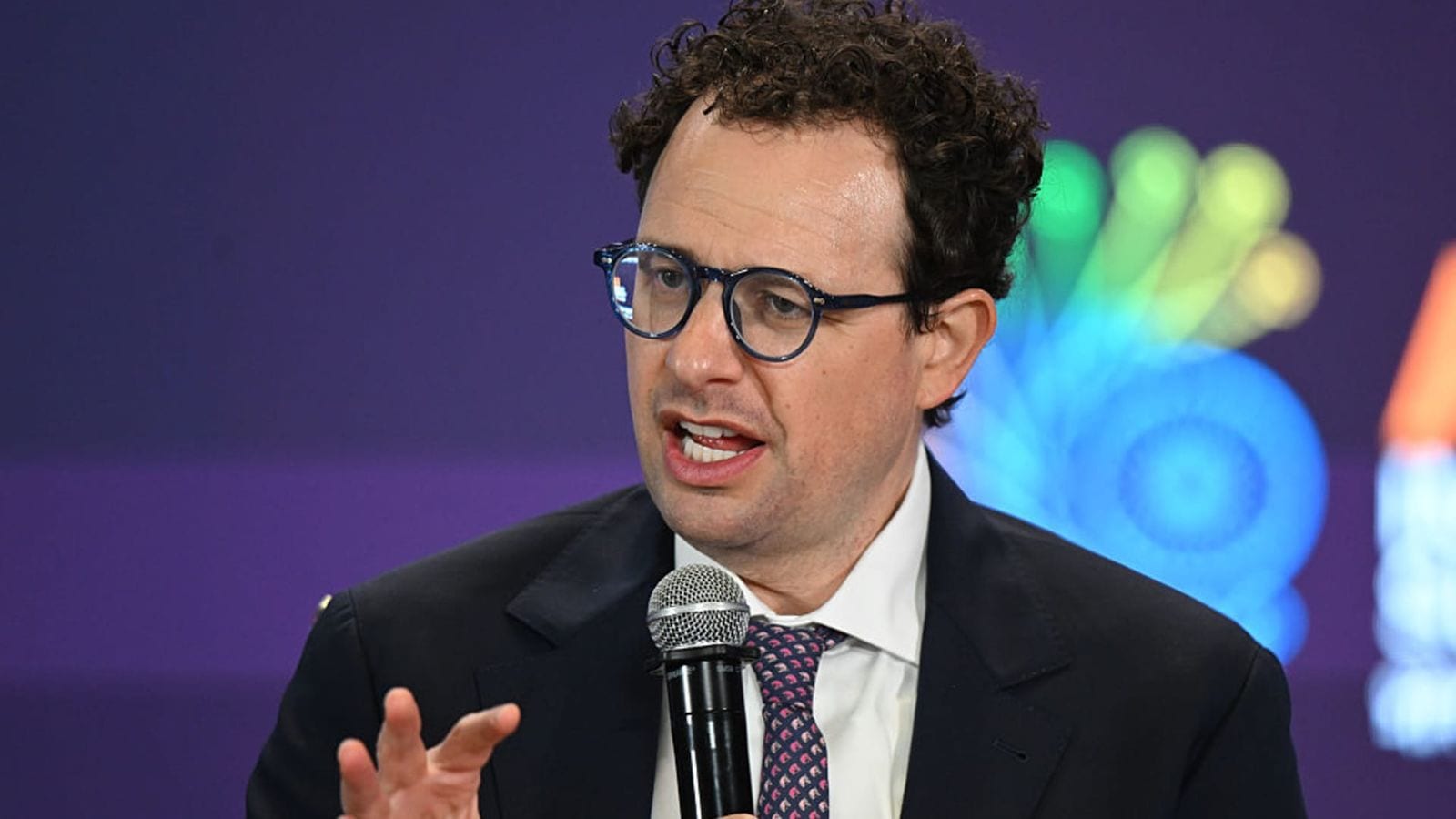
Ryan Petersen, founder and CEO of Flexport, called remote work "white-collar fraud" on the Twenty Minute VC podcast. He said working from home is a "total fantasy" for highly paid employees, citing personal experience as a parent.
"I have a three-year-old and a five-year-old. The idea that I could do any work at my house is like a total fantasy," Petersen said. "Like, come on. You're kidding."
Petersen added that the problem is worse for employees with less space. He noted that even with a private home office, he gets no work done when his children are around.
Why is this notable given Flexport's history?
Flexport is a global freight forwarding and customs brokerage company Petersen founded in 2013 alongside his brother David. It is currently valued at $8 billion.
The company benefited directly from the remote-work era. When pandemic-era employees working from home triggered an ecommerce boom, Flexport's revenue jumped to $3.3 billion in 2021, up from $670 million pre-pandemic. The company became profitable for the first time during that period.
Despite that, Petersen said it was during COVID that he became "highly against" remote work. He said he let Flexport stay remote "for way too long" and believes the company's culture suffered as a result. He did not specify how.
Flexport now requires employees to work in the office five days a week. Petersen implied workers who refused to return were let go.
You might also like




Who pushed back on Petersen's comments?
The comments drew immediate criticism online. Ryan Carson, CEO of Untangle — a company that provides legal workflow software for divorce attorneys — responded on X.
"As someone who has raised an 18-year-old and a 15-year-old, the precious time you get to see them while you're working from home will be worth more than anything you could do with your company or the dollars that you can make," Carson wrote.
Petersen also carved out one exception: he said remote work should ideally be reserved for highly skilled workers in developing nations, where telework lets them earn higher wages than their local markets would otherwise offer.
Who is Jason Lemkin, and why did he weigh in?
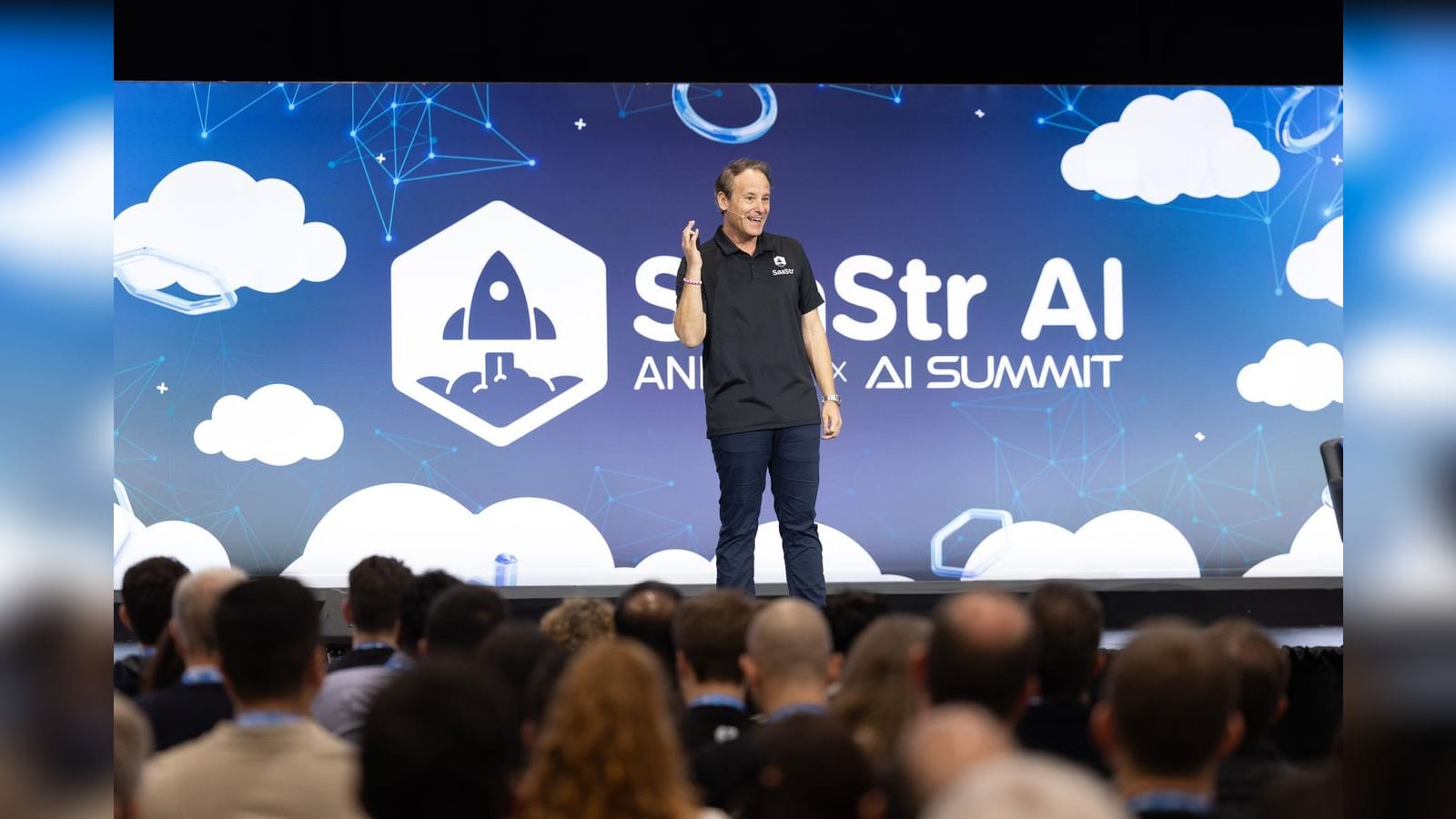
Jason Lemkin, known to some as the Godfather of SaaS, is the founder of SaaStr, a community for business-to-business founders. He agreed with Petersen's view — and went further — during a recent episode of the same 20VC podcast.
"I want small, high paid teams that work in the office over six days a week," Lemkin said. "I'm not interested in investing in anything else. I'm just not interested. And it's not because I don't have empathy, it's because they're going to fail."
Lemkin said Petersen's view is actually "dated" because the most competitive companies and their investors already treat in-office work as a given. He framed the choice bluntly.
"You don't get to make 10 million for working 18 hours a week. You get a watch. You get an Omega," Lemkin said. "You want an Omega, or you want to be rich? Make your choice, boys."
Lemkin also noted that Flexport is an older company and suggested Petersen is struggling to modernize a team that grew up in a different era. "I thought Ryan's running an old company, right? It's old. Flexport is old," he said, according to Business Insider's reporting on Lemkin's comments.
Where does the broader C-suite stand on remote work?
Here's what we know so far: the debate is far from settled, and the data shows remote work remains common despite executive pressure.
A monthly survey by economists for the Federal Reserve Bank of St. Louis found 26% of fully paid workdays were worked from home in May. That's down sharply from 62% in May 2020, but well above the pre-pandemic baseline of 7%.
A Gallup study from earlier this year found more than half of employees with remote-capable jobs prefer to work at least some days at home. One-third prefer to be fully remote.
Other executives have taken opposing positions. Shark Tank star Kevin O'Leary said earlier this year that restricting hiring to in-person workers means "you'll just get the bottom quartile people that have no choice." JPMorgan's Jamie Dimon reinstated a five-day in-office policy at the start of 2025. Elon Musk has called working from home morally wrong when factory workers cannot do the same.
As companies continue cutting headcount to fund AI expansion and restructuring around smaller teams, the pressure on remote work policies is intensifying across the tech sector. Lemkin's push for lean, in-office teams echoes a broader Silicon Valley trend as enterprises reshape around AI-driven workflows.
Key positions compared
| Person | Company | Position on remote work |
|---|---|---|
| Ryan Petersen | Flexport ($8B) | "White-collar fraud"; 5 days in-office required |
| Jason Lemkin | SaaStr | Only invests in teams working in-office 6+ days/week |
| Jamie Dimon | JPMorgan | 5-day in-office policy reinstated in 2025 |
| Elon Musk | Tesla / X | Called it morally wrong; criticized "laptop class" |
| Kevin O'Leary | Shark Tank | Pro-remote; says RTO limits access to top talent |
| Ryan Carson | Untangle | Defended remote work; cited value of time with children |
Flexport did not respond to Fortune's request for comment.



0 Comments
Log in to comment
Not a member yet? Join the community
Pick a meme
KlipyHave a great take?
Drop your email — we'll send a magic link so you can post it. No password.
Not a member of the community? Join today.
Join the community →