What happened with Samsung's HBM4 sales milestone?
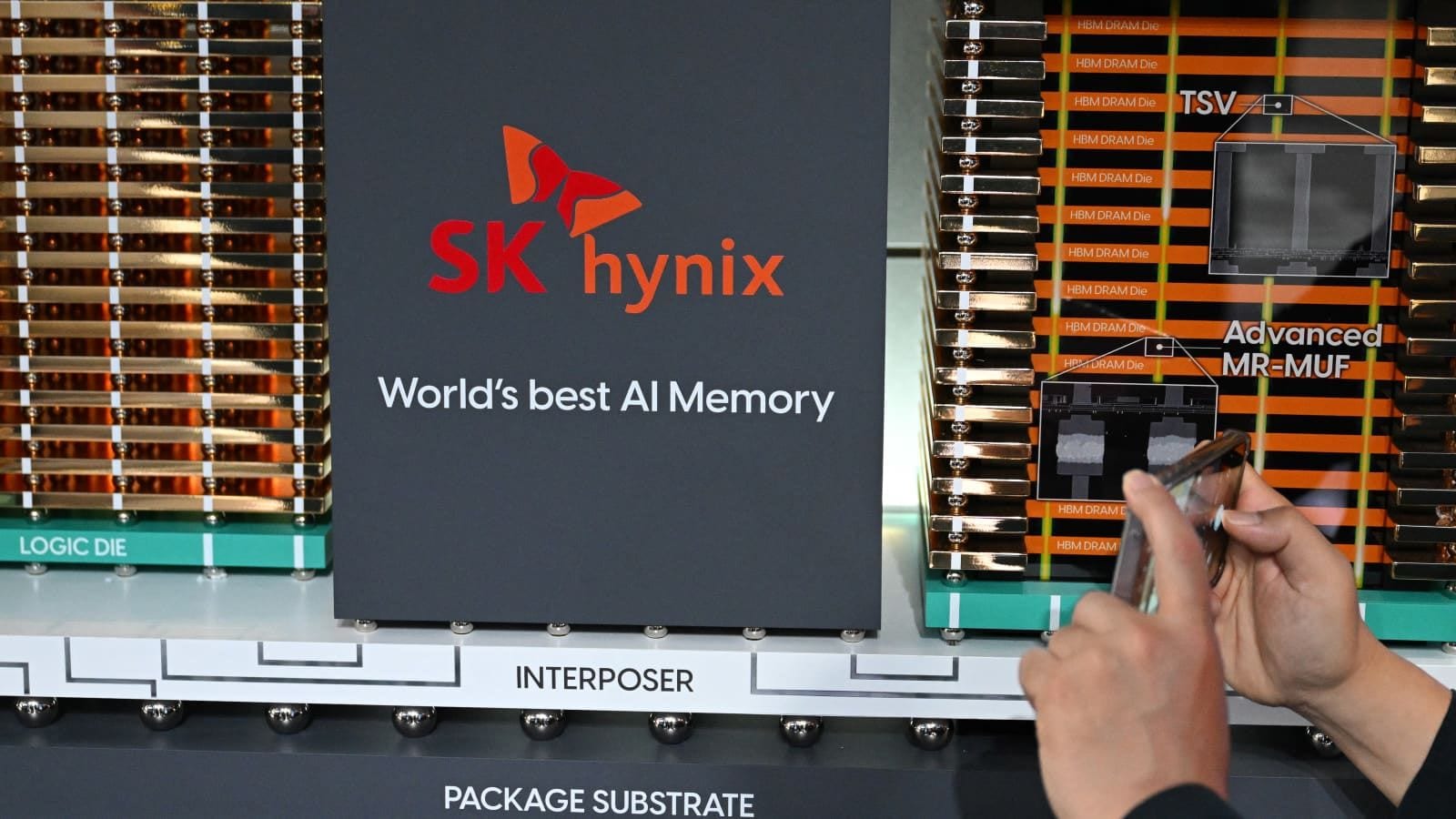
Samsung Electronics' HBM4 chips crossed $1 billion in sales just four months after launch, according to industry sources cited by Yonhap News. Samsung began mass production and shipments of HBM4 in February 2026, becoming the first company in the world to do so. Revenue is expected to exceed $1.2 billion by the end of June.
HBM4 is the sixth generation of high bandwidth memory — a type of chip used in AI accelerators and data center GPUs. Samsung's version targets next-generation AI hardware, including Nvidia's Vera Rubin platform.
What is Samsung's full-year HBM4 revenue projection?
Annual HBM4 sales are projected to surpass $10 billion in 2026. That would be the product's first full year on the market. Industry sources say such a figure would be unprecedented for a newly launched memory product in its first year of mass production.
Samsung has said it expects its total HBM sales to more than triple in 2026 compared to 2025, and is expanding HBM4 production capacity to meet demand.
How does HBM4 compare to its predecessor, HBM3E?
Here's what the specs show, drawn directly from Samsung's own product announcement:
You might also like


| Spec | HBM3E | HBM4 |
|---|---|---|
| Max pin speed | 9.6 Gbps | Up to 13 Gbps |
| Consistent transfer speed | — | 11.7 Gbps |
| Total memory bandwidth (per stack) | Baseline | Up to 3.3 TB/s (2.7x increase) |
| Power efficiency improvement | Baseline | +40% |
| Thermal resistance improvement | Baseline | +10% |
| Heat dissipation improvement | Baseline | +30% |
| Capacity range | — | 24 GB to 36 GB (up to 48 GB with 16-layer stacking) |
Samsung's HBM4 delivers 11.7 Gbps consistently — about 46% above the industry standard of 8 Gbps. The chip uses a 4nm logic base die and a 6th-generation 10nm-class DRAM process, which Samsung calls its "1c" node.
Why does HBM4 matter for AI computing?
The global HBM market is estimated to reach $54.6 billion in 2026, up 58% from a year earlier. HBM chips are a core component of the GPUs used in generative AI applications. As AI models grow larger, the demand for faster, higher-capacity memory grows with them.
HBM4 doubles the data I/O pins from 1,024 to 2,048, which increases bandwidth but also raises power and heat challenges. Samsung addressed this with low-voltage through silicon via (TSV) technology and power distribution network optimization.
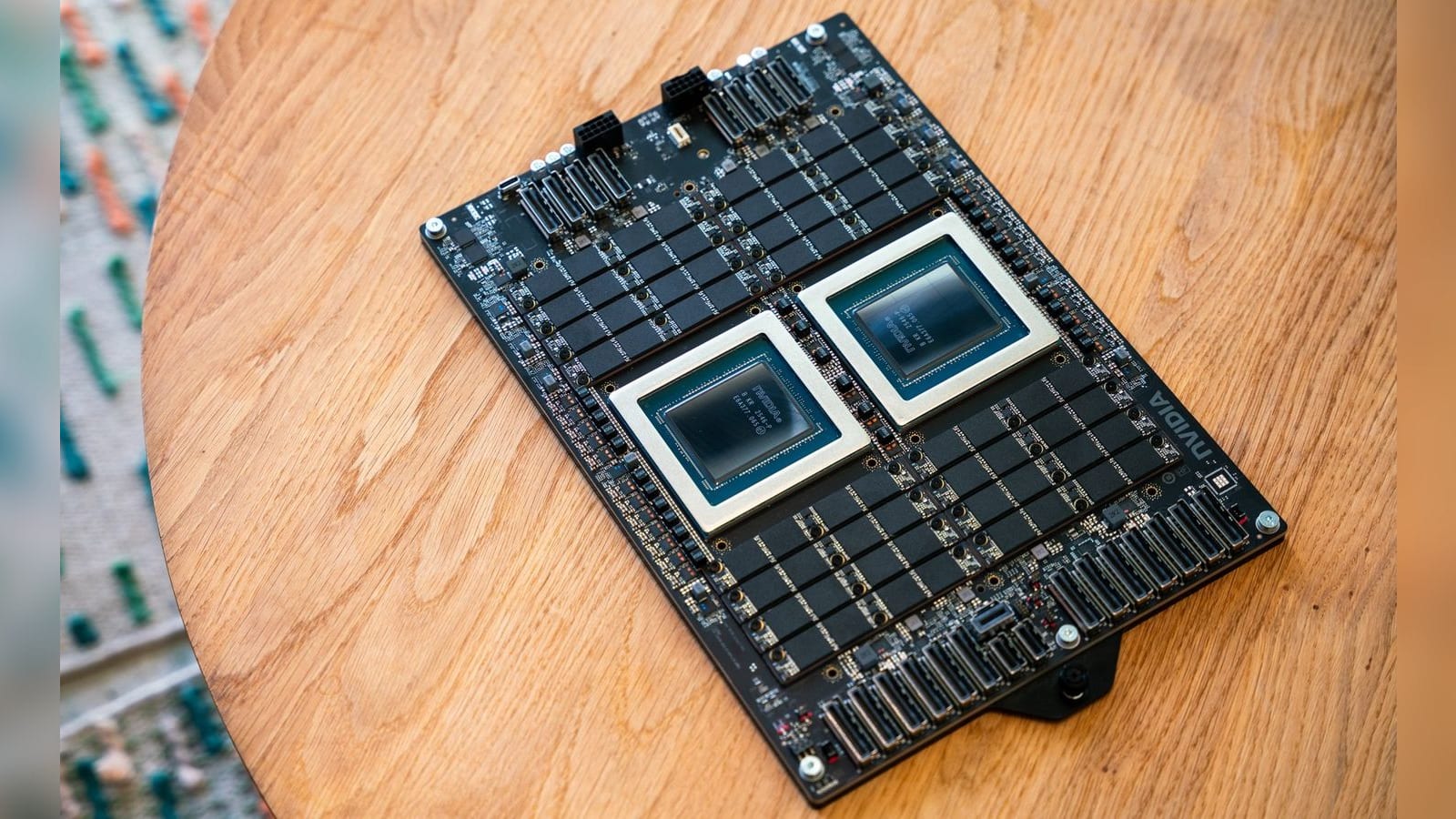
The chip is designed for Nvidia's Vera Rubin platform, among other next-generation AI accelerators. As we read the data, the $1 billion milestone in just four months signals that hyperscalers and GPU makers are already moving toward HBM4 adoption ahead of broader market availability.
What is Samsung's HBM roadmap beyond HBM4?
Samsung has outlined the next steps clearly:
- HBM4E sampling is expected to begin in the second half of 2026
- Custom HBM samples will start reaching customers in 2027, per customer specifications
- Samsung has already shipped HBM4E chip samples to global customers, per related reporting
Samsung's Sang Joon Hwang, Executive Vice President and Head of Memory Development, said the company "took the leap and adopted the most advanced nodes like the 1c DRAM and 4nm logic process for HBM4" rather than using existing proven designs.
How does Samsung's HBM position compare to competitors?
The global HBM market is currently dominated by fifth-generation HBM3E products. Samsung's early move into HBM4 mass production is a direct bid to recover ground in the HBM segment. The company's AI chip ambitions extend beyond memory — Samsung is also manufacturing Neuralink's Gen-4 chip on 4nm, showing the breadth of its advanced semiconductor work.
The broader AI chip supply chain is under pressure from multiple directions. Nvidia is building 35 AI supercomputers across Europe, and Nvidia broke ground on a $2 billion coherent factory in Texas — all of which increases downstream demand for high-performance memory like HBM4.
Export controls are also a factor shaping the competitive landscape. The US warning to ASML about China's access to EUV tools is one signal that the advanced chip supply chain remains politically sensitive, which could affect how Samsung and its rivals allocate HBM4 supply.
Samsung is expected to significantly increase HBM4 shipments through the end of 2026, with the $10 billion annual revenue target as the benchmark to watch.


0 Comments
Log in to comment
Not a member yet? Join the community
Pick a meme
KlipyHave a great take?
Drop your email — we'll send a magic link so you can post it. No password.
Not a member of the community? Join today.
Join the community →