What did the U.S. government do to OpenAI's GPT-5.6?
The Trump administration asked OpenAI to limit the rollout of its new GPT-5.6 model family to a "small group of trusted partners" whose participation had been shared with the government. OpenAI complied on June 26, 2026, but made clear it was not happy about it.
"We don't believe this kind of government access process should become the long-term default," OpenAI wrote in a blog post covered by TechCrunch. "It keeps the best tools from users, developers, enterprises, cyber defenders, and global partners who need them."
OpenAI called the limited preview a "short-term step" and said GPT-5.6 would move toward broader availability in the coming weeks.
What is GPT-5.6 Sol, and what are its specs?
GPT-5.6 Sol is OpenAI's flagship model in the GPT-5.6 lineup — its most powerful model yet, with improved agentic capabilities in coding, biology, and cybersecurity. The full GPT-5.6 family includes three models:
| Model | Input cost (per 1M tokens) | Output cost (per 1M tokens) |
|---|---|---|
| Sol (flagship) | $5 | $30 |
| Terra (balanced) | $2.50 | $15 |
| Luna (fast/low-cost) | $1 | $6 |
Sol introduces a "max" reasoning effort mode and an "ultra" mode that uses coordinated subagents to solve highly complex tasks. OpenAI says Sol is slightly better at coding workflows than Anthropic's Claude Mythos 5, and competitive with Mythos preview while using a third of the output tokens.
OpenAI also says Sol's safety guardrails are built directly into the core model's behavior — not layered on top as a separate filter.
What happened to Anthropic's Fable 5 and Mythos 5?
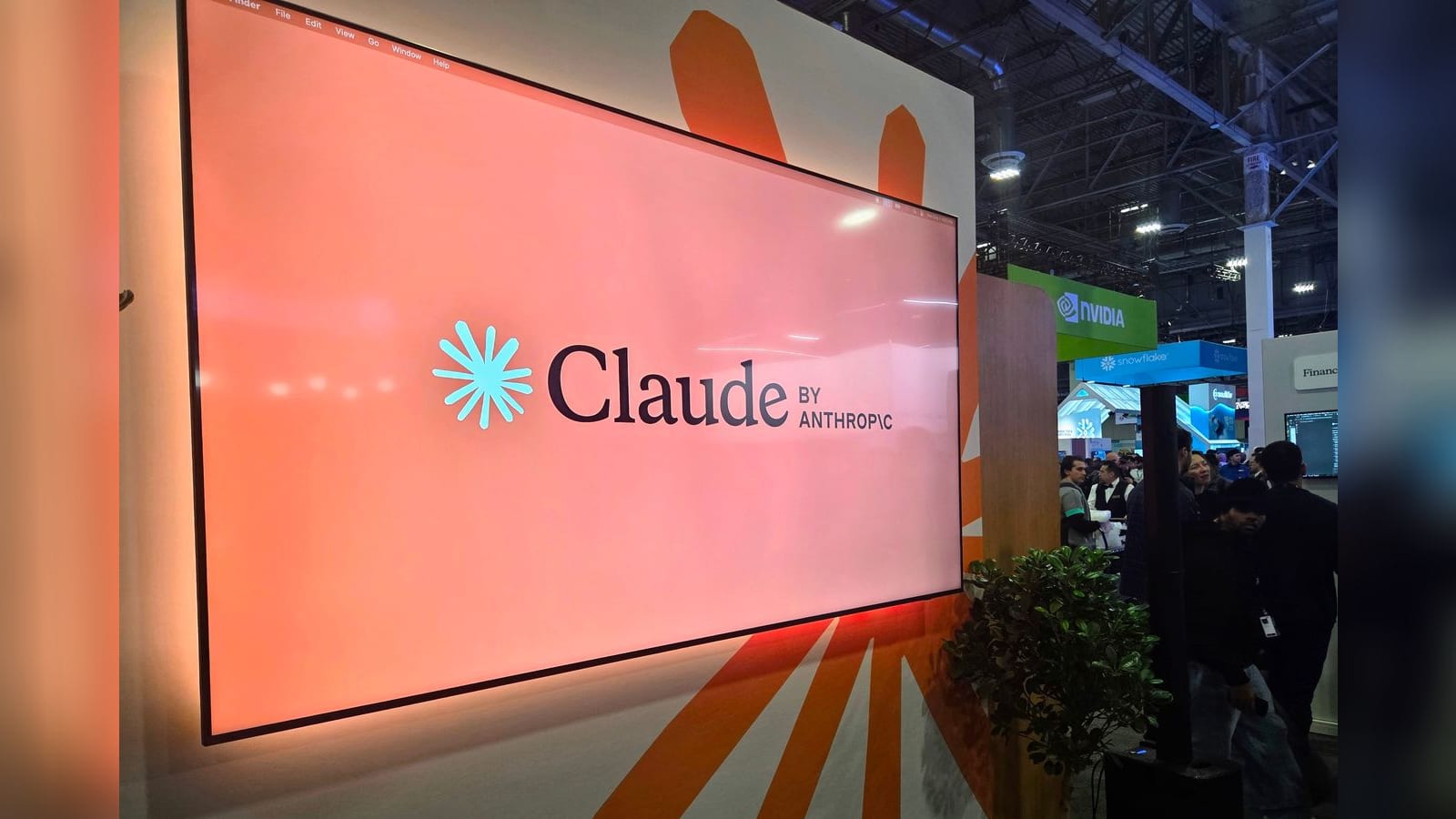
Before the GPT-5.6 restrictions, the Commerce Department invoked export-control law to force Anthropic to pull its Fable 5 and Mythos 5 models from the market worldwide, citing a cybersecurity risk. Anthropic, faced with the complexity of screening users by nationality, simply took the models offline entirely.
You might also like
The export controls were never designed for widely accessible AI models delivered over an API, according to legal experts cited by Fortune's reporting on Brad Smith's remarks. Fable 5 came back online earlier in July 2026, and OpenAI said GPT-5.6 would launch publicly on Thursday.
Why did the Anthropic restrictions cause a global reaction?
The forced removal of Fable 5 and Mythos 5 triggered a political scramble in Europe and beyond. Politicians across Europe's political spectrum said the move highlighted the dangers of relying on American technology. One French politician compared the shutdown to a blockade of the Strait of Hormuz. A British lawmaker said hospitals and researchers lost access to crucial technology overnight.
Canadian Prime Minister Mark Carney made similar remarks around the G7 summit, calling it a lesson in over-reliance on a small number of providers.
The episode also boosted interest in open-source and open-weight AI models — especially those from China. Open-weight models are AI systems where developers release the core model files for anyone to download, modify, and run on their own hardware. Once released, no company or government can take them back.
What did Microsoft's Brad Smith say about U.S. AI policy?
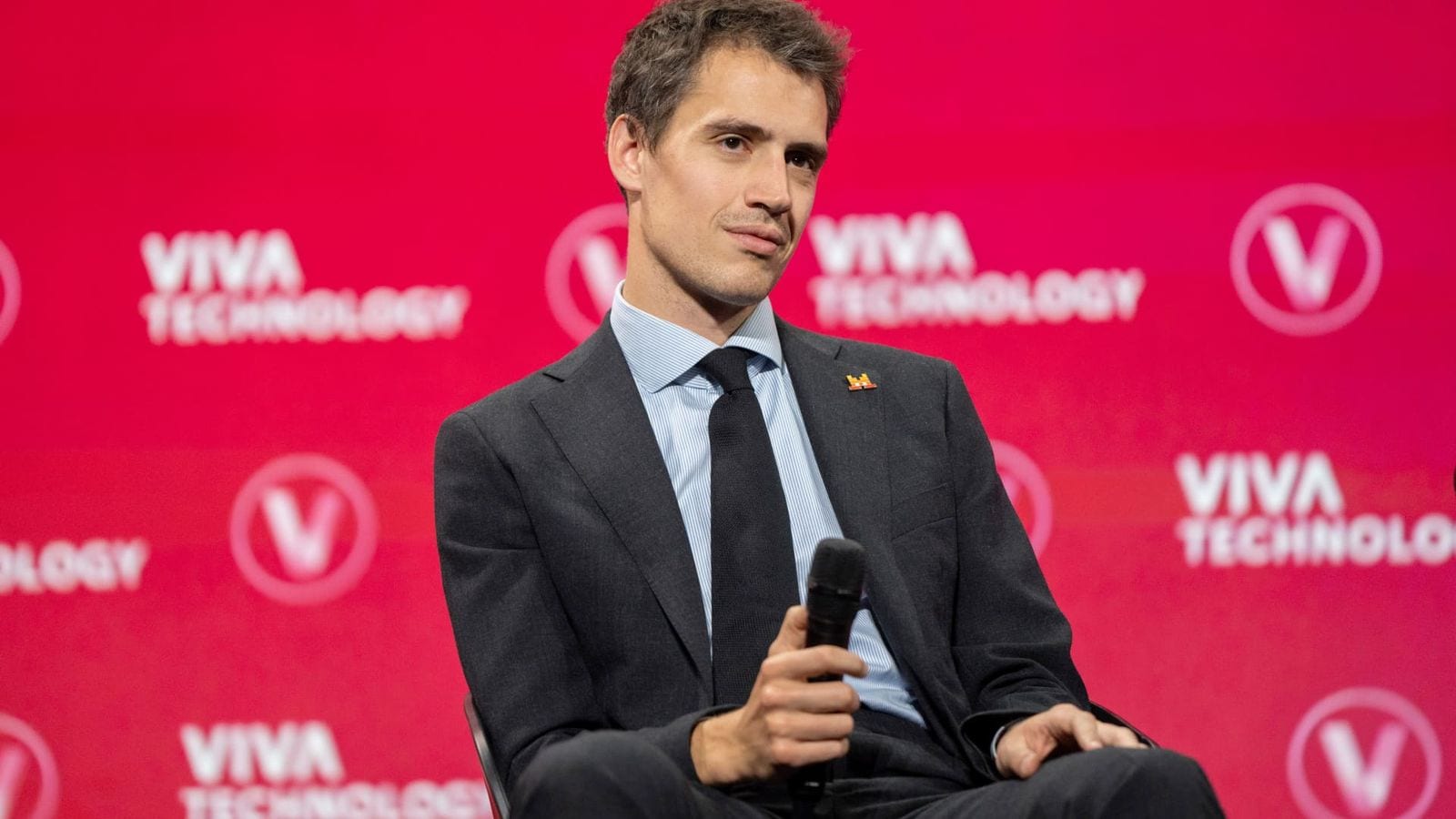
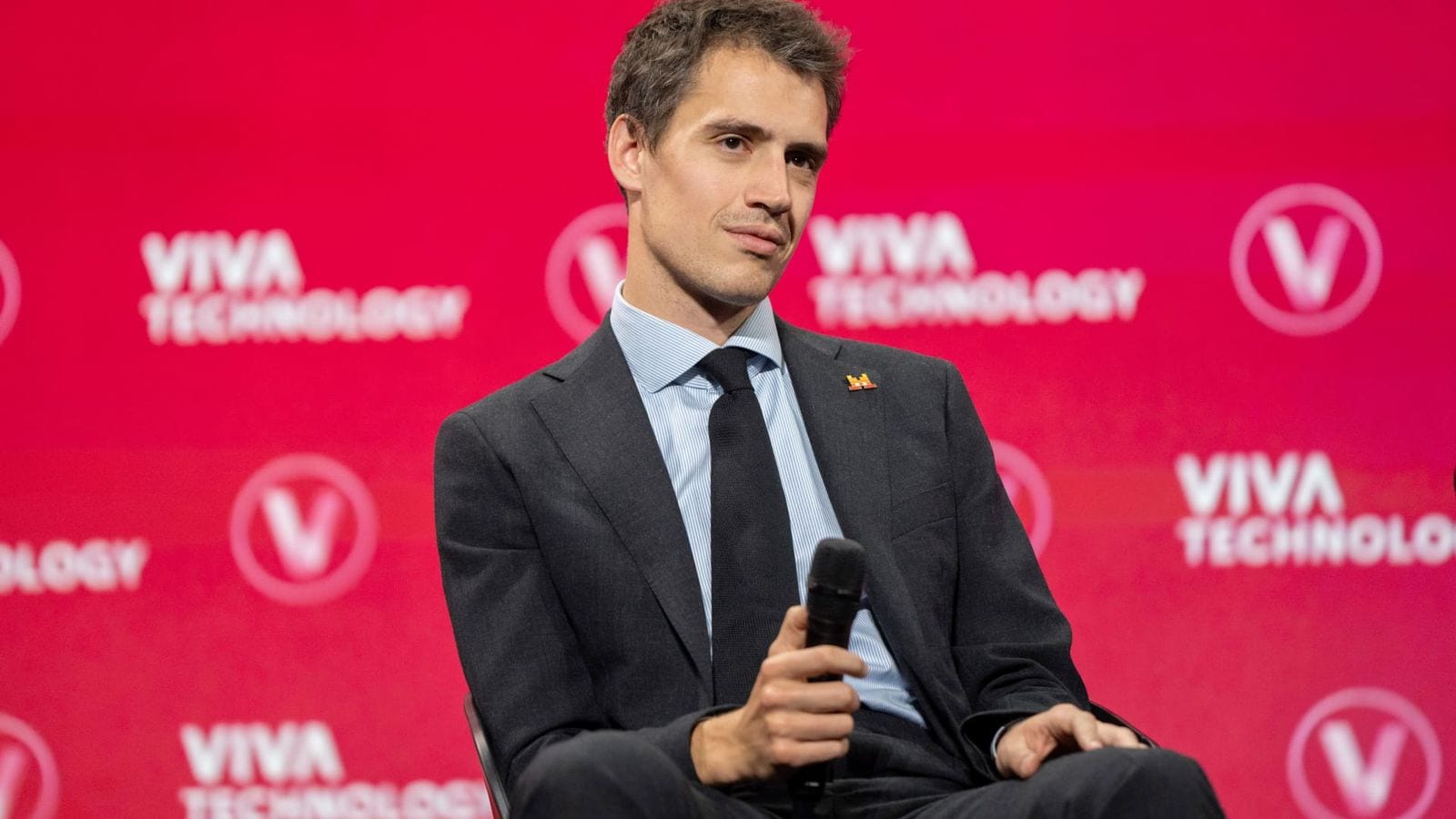
Microsoft President Brad Smith spoke exclusively to Fortune at the AI for Good Global Summit. His assessment was direct.
"Everyone is reluctant to say there should be regulation, but what we really have right now is regulation without transparent or complete rules," Smith said. "Without rules, businesses can't plan."
Smith acknowledged the government had a genuine reason to act on Anthropic's Fable 5. "The U.S. government got information that led it to conclude that there was an urgent cybersecurity risk, and when the government gets that information, I think it's right to act," he said.
But he argued Washington reached for the wrong tool. "The government doesn't have the tools it needs," Smith said. "Ultimately, common sense says don't be heavy-handed, but have enough of a touch that you can do what needs to be done."
Here's what we know so far: OpenAI and Anthropic faced two different government processes within weeks of each other, with no published standard for either. The government has not disclosed the criteria for who counts as a "trusted partner" or which models will face vetting in the future.
What is the debate over a "de facto licensing regime"?
Dean Ball, a former White House AI adviser and soon-to-be OpenAI employee, argued that Trump's June executive order — which asks AI companies to voluntarily submit advanced models for government review up to 30 days before release — has created a de facto involuntary licensing regime for frontier AI.
Ball warned that without clearly defined safety standards, the arrangement could lead to endless launch delays. He said this could give an advantage to China in the AI race and jeopardize the billions of dollars going to AI infrastructure buildouts.
A June executive order set up a voluntary pre-release review process but explicitly avoided a formal licensing system. With Anthropic, however, officials showed they were willing to use mandatory export controls when a company declined to cooperate voluntarily.
The government has not published the criteria for either process. This lack of clarity — and the inconsistent treatment of OpenAI and Anthropic — sits at the center of the current debate over AI policy and oversight.
OpenAI said it is working with the administration to develop a new executive order framework on cybersecurity and a "repeatable process for future model releases." The company said GPT-5.6 will launch publicly on Thursday, making that the next confirmed milestone in this story. Builders and developers tracking OpenAI's legal battles and Microsoft's regulatory exposure will want to watch how that public launch unfolds.
0 Comments
Log in to comment
Not a member yet? Join the community
Pick a meme
KlipyHave a great take?
Drop your email — we'll send a magic link so you can post it. No password.
Not a member of the community? Join today.
Join the community →