
What is the Anderson v. Nadella lawsuit?
A new copyright shareholder derivative suit was filed against Microsoft, its directors, and officers on July 1, 2026. The case is called Anderson v. Nadella. It is the 12th AI-related copyright lawsuit against Microsoft in the United States, according to chatgptiseatingtheworld.com.
A copyright shareholder derivative suit is a lawsuit where a shareholder sues a company's directors and officers on the company's behalf, alleging they breached their fiduciary duties in connection with alleged copyright infringement.
What does the complaint allege?
The complaint makes two core allegations. First, it alleges that Microsoft directors and officers breached their fiduciary duties by investing in OpenAI. Second, it alleges they provided Microsoft's Azure infrastructure to enable OpenAI to train its AI models using unlicensed, allegedly infringing copyrighted works.
The complaint also alleges that these defendants approved Microsoft's 2024 and 2025 proxy statements in order to defeat shareholder proposals. Those proposals had raised concerns about possible copyright infringement and lawsuits filed against Microsoft.
You might also like


What misrepresentations does Anderson claim Microsoft made?
Plaintiff Anderson alleges Microsoft made several misrepresentations. Per paragraph 94 of the complaint, Anderson alleges that "Microsoft had violated federal copyright laws in the formulation of its AI strategy and its partnership with AI companies like OpenAI."
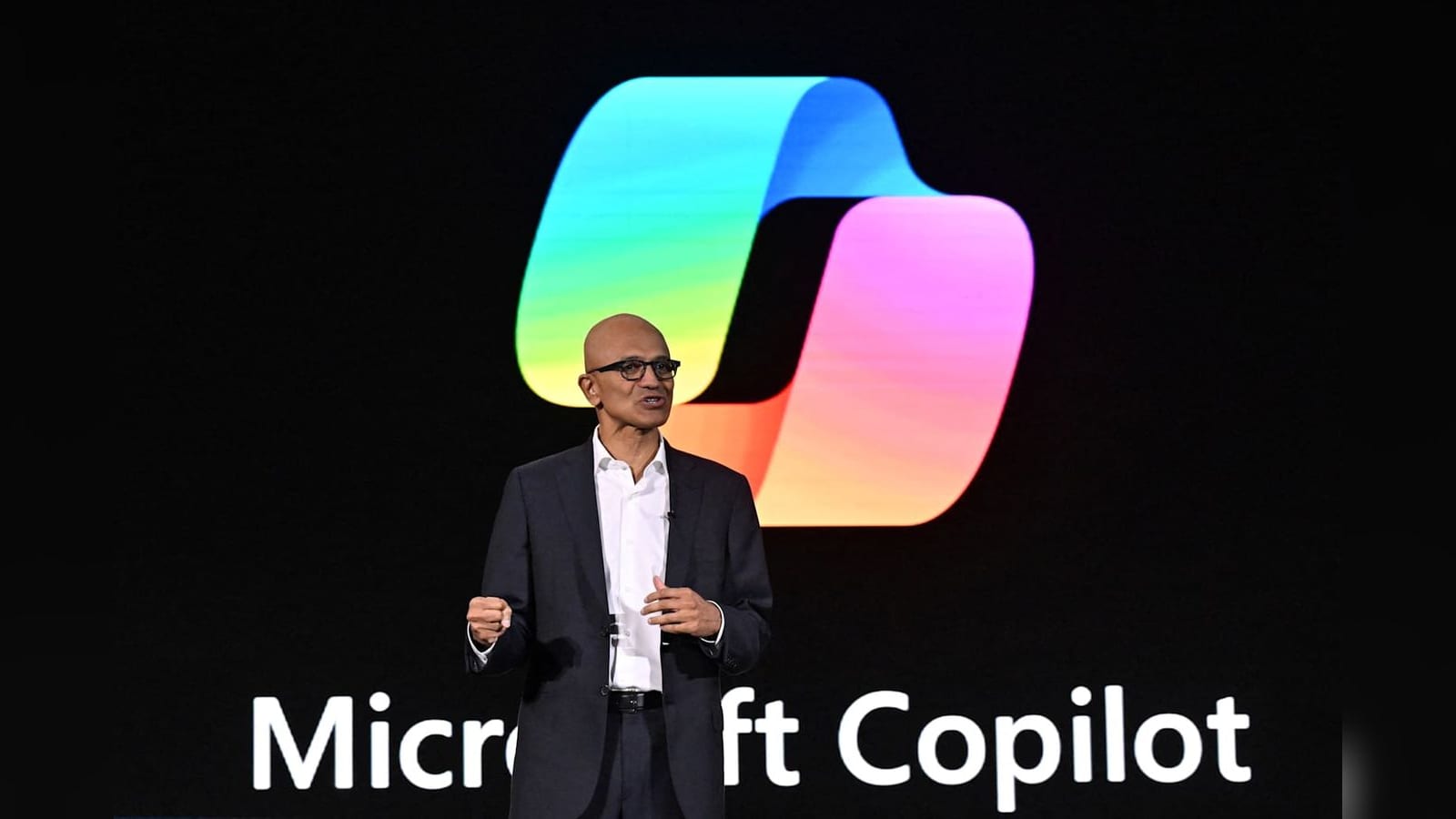
The complaint also targets statements in Microsoft's 2024 and 2025 proxy statements about the datasets Microsoft used. Both proxy statements included language about those datasets, which Anderson alleges was misleading. The complaint covers additional alleged missteps related to Microsoft's AI products, including Copilot.
How does this fit into the broader AI copyright legal landscape?
Here's what we know so far: this case is part of a fast-growing wave of AI copyright litigation in the United States. As of July 1, 2026, there are 123 AI copyright lawsuits filed against AI companies in the US, per the tracker maintained by chatgptiseatingtheworld.com.
The Anderson suit against Microsoft is the second company to face this specific "copyright shareholder derivative" legal theory. Adobe was the first. Adobe already faces two such lawsuits — one brought by the SEIU Pension Plan Master Trust and another consolidated complaint in the Lyon lawsuit.
| Company | Number of Copyright Shareholder Derivative Suits | Total US AI Copyright Suits (all types) |
|---|---|---|
| Adobe | 2 | Not specified in sources |
| Microsoft | 1 (Anderson v. Nadella) | 12 |
| All AI companies (US total) | — | 123 |
Who are the defendants named in the suit?
The suit names Microsoft's directors and officers as defendants alongside the corporation itself. The case title references Satya Nadella, Microsoft's CEO, as the lead named defendant. The complaint targets their decisions to invest in OpenAI and to approve proxy statements that addressed — and pushed back against — shareholder copyright concerns.
What is the significance of the proxy statement allegations?
The 2024 and 2025 proxy statement allegations are central to the complaint. Anderson argues that Microsoft's directors and officers used those filings to defeat shareholder proposals that raised copyright concerns. The complaint quotes from page 88 of the 2024 proxy statement and page 82 of the 2025 proxy statement, both of which included language about the datasets Microsoft used for AI.
This is notable because it ties the alleged fiduciary breach directly to formal SEC filings, not just internal business decisions.
This lawsuit connects to the ongoing NYT third amended suit against OpenAI and Microsoft, which also centers on copyright claims tied to AI training data.
Key allegations in the Anderson complaint at a glance
- Microsoft directors and officers breached fiduciary duties by investing in OpenAI
- Microsoft provided Azure infrastructure to enable OpenAI to train on allegedly infringing works
- Defendants approved 2024 and 2025 proxy statements to defeat shareholder copyright proposals
- Microsoft allegedly violated federal copyright laws in its AI strategy
- Additional alleged misstatements relate to Microsoft's Copilot product
The Anderson suit is the 12th AI copyright case against Microsoft in the US and the 123rd against AI companies overall, as tracked by chatgptiseatingtheworld.com. The full complaint in Anderson v. Microsoft Corporation is available for download via that reporting.
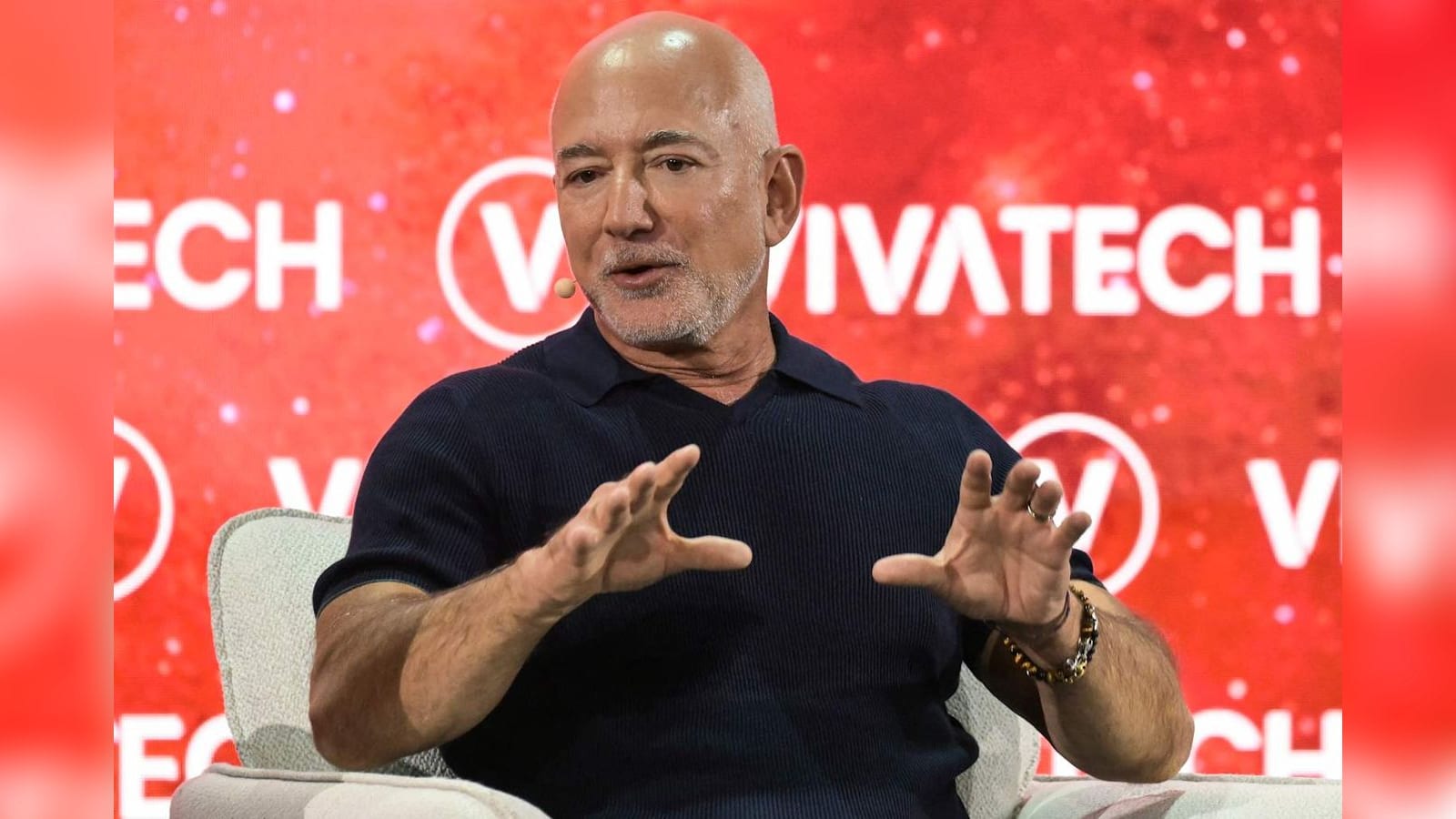
For broader context on AI and labor disruption tied to these legal battles, see our coverage of Bezos on AI.


0 Comments
Log in to comment
Not a member yet? Join the community
Pick a meme
KlipyHave a great take?
Drop your email — we'll send a magic link so you can post it. No password.
Not a member of the community? Join today.
Join the community →