What did the DOJ do in the xAI Clean Air Act lawsuit?
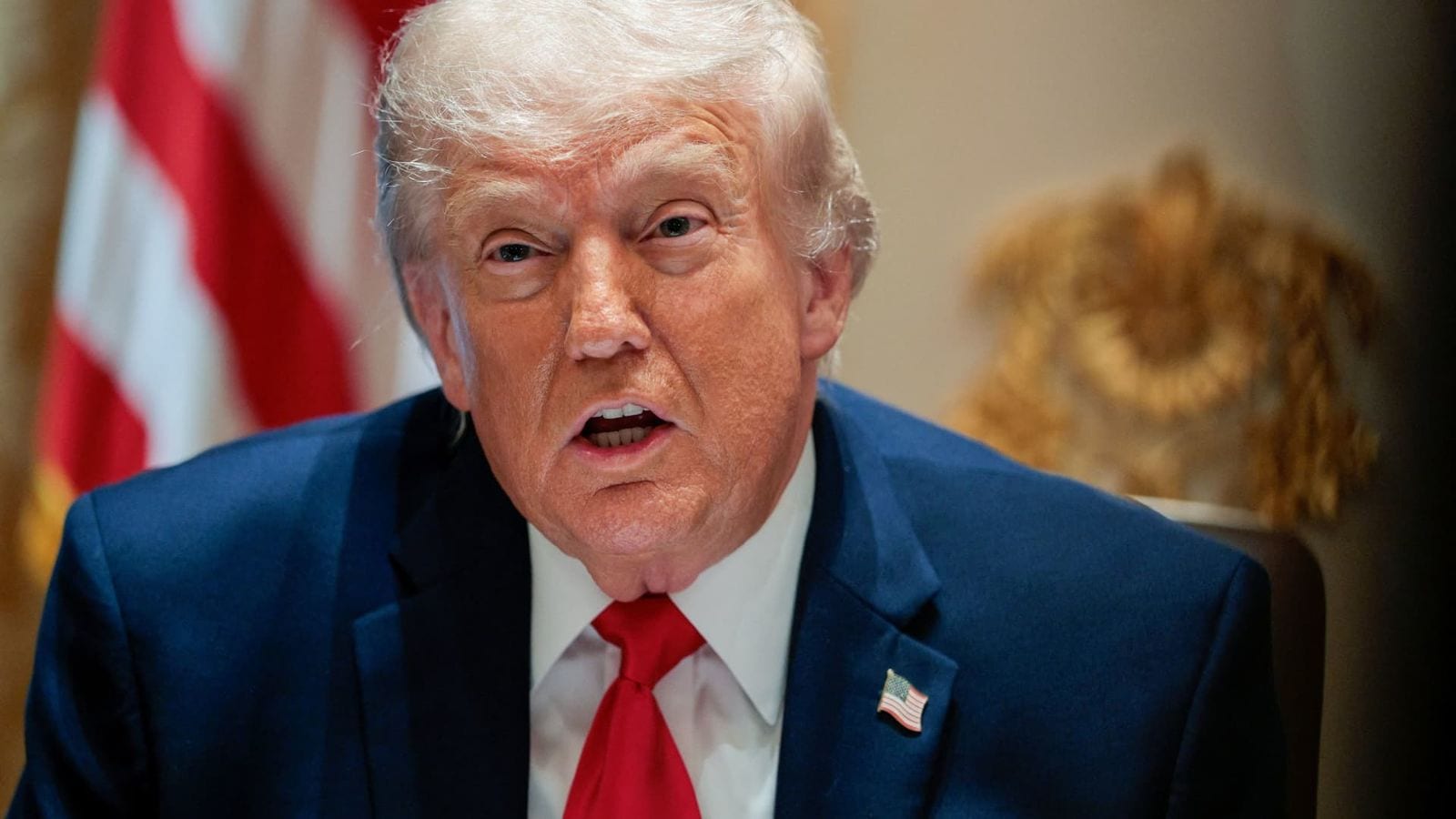
The Department of Justice filed court papers in NAACP v. xAI in the U.S. District Court for the Northern District of Mississippi, joining xAI and the state of Mississippi in seeking dismissal of the case. The DOJ argues that halting the turbines "threatens American national, economic, and energy security by seeking to shut off the power supply for artificial-intelligence innovation that supports the Department of War's military operations," according to WIRED as reported by letsdatascience.com.
This marks a significant federal intervention in a private environmental lawsuit. The DOJ's use of national security language to shield a private AI company's power supply from Clean Air Act enforcement is described as legally novel.
What is the NAACP suing xAI over?
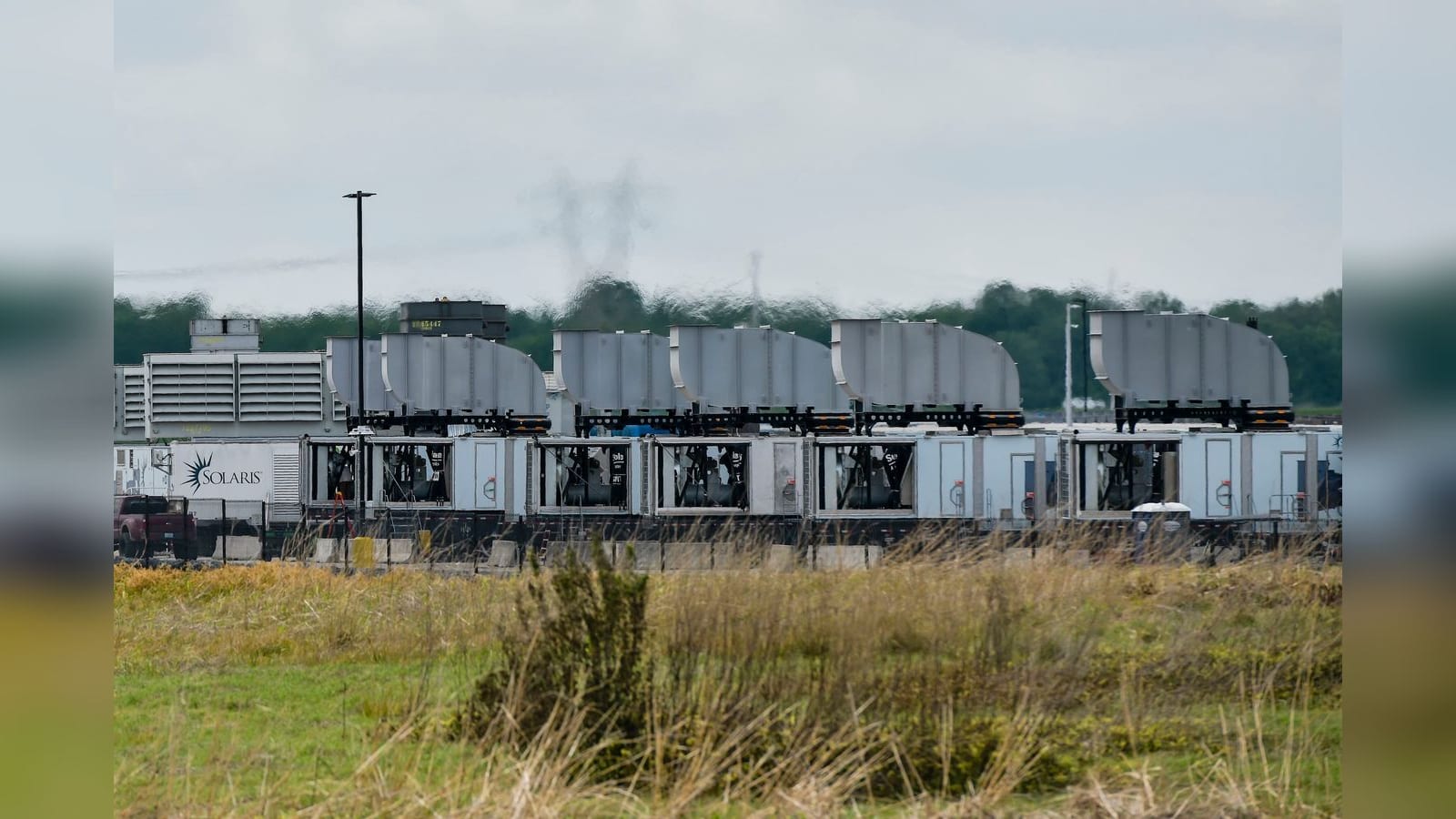
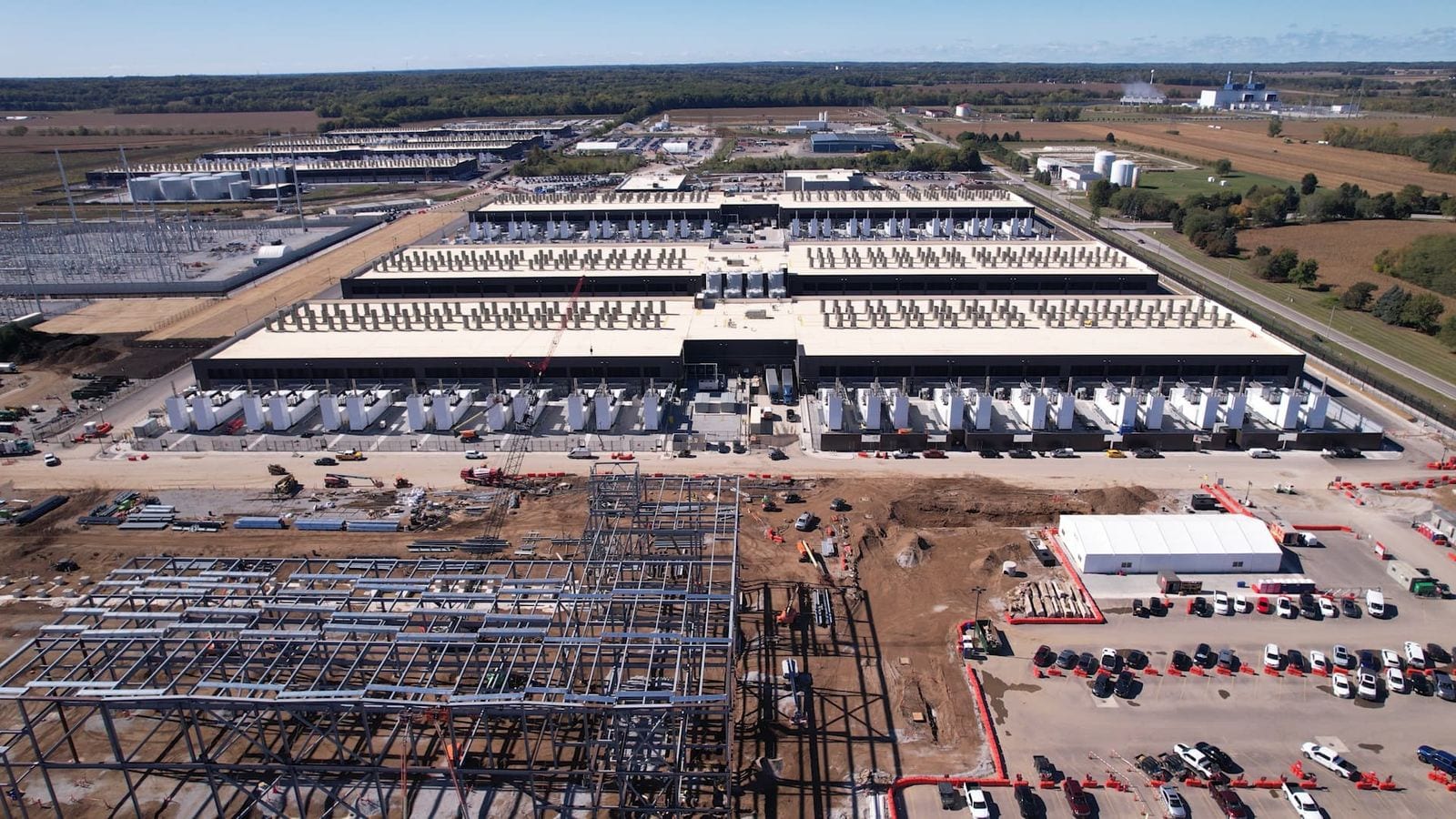
The NAACP filed suit in April 2026 against xAI and its energy subsidiary, MZX Tech. The lawsuit alleges the companies are operating 46 unpermitted methane gas turbines at Colossus 2, xAI's second data center in Southaven, Mississippi, near Memphis.
The Southern Environmental Law Center (SELC) and Earthjustice are representing the Mississippi State Conference of the NAACP and the national NAACP. According to SELC's April 14, 2026 press release, the facility has the potential to emit more than 1,700 tons of smog-forming nitrogen oxides (NOx) per year. Earthjustice states this likely makes it the largest industrial source of NOx in the greater Memphis area — a region already failing to meet national smog standards.
The turbines are also alleged to release up to 180 tons of fine particulate matter, 500 tons of carbon monoxide, and 19 tons of formaldehyde annually. Formaldehyde is a toxic, cancer-causing chemical.
How did xAI's turbine count grow over time?
Mississippi Today reporting shows xAI added 19 more turbines between late March and early May 2026, reaching 46 total. The NAACP's original April lawsuit cited 27 turbines operating without permits.
You might also like


Here's a timeline of key events:
| Date | Event |
|---|---|
| February 2026 | SELC and Earthjustice send xAI a 60-day notice of intent to sue |
| April 14, 2026 | NAACP files Clean Air Act suit against xAI and MZX Tech |
| May 2026 | NAACP files for preliminary injunction; xAI turbine count reaches 46 |
| May 18, 2026 | DOJ signals it is "evaluating possible intervention" in the lawsuit |
| June 16, 2026 | DOJ files court papers siding with xAI, seeking dismissal |
What is the DOJ's national security argument?
The DOJ filing includes a declaration from Cameron Stanley, the Department of Defense's chief digital and artificial intelligence officer. Stanley states that Grok's Gov model — xAI's government-facing AI product — supports "vital national security missions" and has been used as part of recent U.S. strikes against Iran.
The DOJ filing also claims only four AI models, including Grok, "support mission-critical operations across Secret and Top-Secret classified networks."
Earlier, in May 2026, Adam Gustafson, the principal deputy assistant attorney general, wrote in a filing that the case involves "legal and policy questions as to which the United States has a substantial interest, including its priorities with respect to promotion of artificial intelligence infrastructure," as reported by E&E News. Gustafson added: "It is the policy of the United States to sustain and enhance America's global AI dominance in order to promote human flourishing, economic competitiveness, and national security."
What is xAI's legal defense on the permits?
xAI and Mississippi argue the turbines qualify as "mobile" sources under a temporary deployment. That classification, they claim, exempts them from standard Clean Air Act permit requirements.
NAACP attorneys counter that the "mobile" exemption does not apply to the Southaven site. They also argue no "temporary" exemption exists in the Clean Air Act statute, per Earthjustice filings.
What penalties does the NAACP seek?
The NAACP complaint asks the court to:
- Declare that xAI has violated the Clean Air Act
- Force xAI to stop operating unpermitted turbines at Southaven
- Order xAI to install the best available pollution control technology
- Fine xAI up to $124,426 per day of violation
- Require xAI to offset public health impacts on nearby communities
In May 2026, the NAACP also filed for a preliminary injunction, citing increased risk of "asthma attacks and heart disease" for communities already carrying a heavy pollution burden.
Who are the communities affected?
The Colossus 2 data center sits near homes, schools, and churches in Southaven, Mississippi, close to Memphis. SELC notes the area is already failing to meet national smog standards. Hundreds of community members packed a Mississippi Department of Environmental Quality hearing to push back on xAI's gas plant.
Here's what we know so far: the communities near Colossus 2 were already living in an area with elevated pollution before xAI began operating. The NAACP's case centers on the argument that those communities should not absorb additional industrial pollution without any permitting process.
This case sits alongside other active legal pressures on major AI companies. The xAI trade secret suit against OpenAI was recently dismissed, and federal scrutiny of AI firms is intensifying — the OpenAI multi-state AG subpoena is another example of regulators moving against major AI players. As AI infrastructure scales, questions about OpenAI frontier alliances and compute buildouts are drawing increasing legal and regulatory attention.
The NAACP's preliminary injunction request is now before the U.S. District Court for the Northern District of Mississippi, where the DOJ's motion to dismiss will also be considered.



0 Comments
Log in to comment
Not a member yet? Join the community
Pick a meme
KlipyHave a great take?
Drop your email — we'll send a magic link so you can post it. No password.
Not a member of the community? Join today.
Join the community →