How much is ByteDance spending on Microsoft AI services?
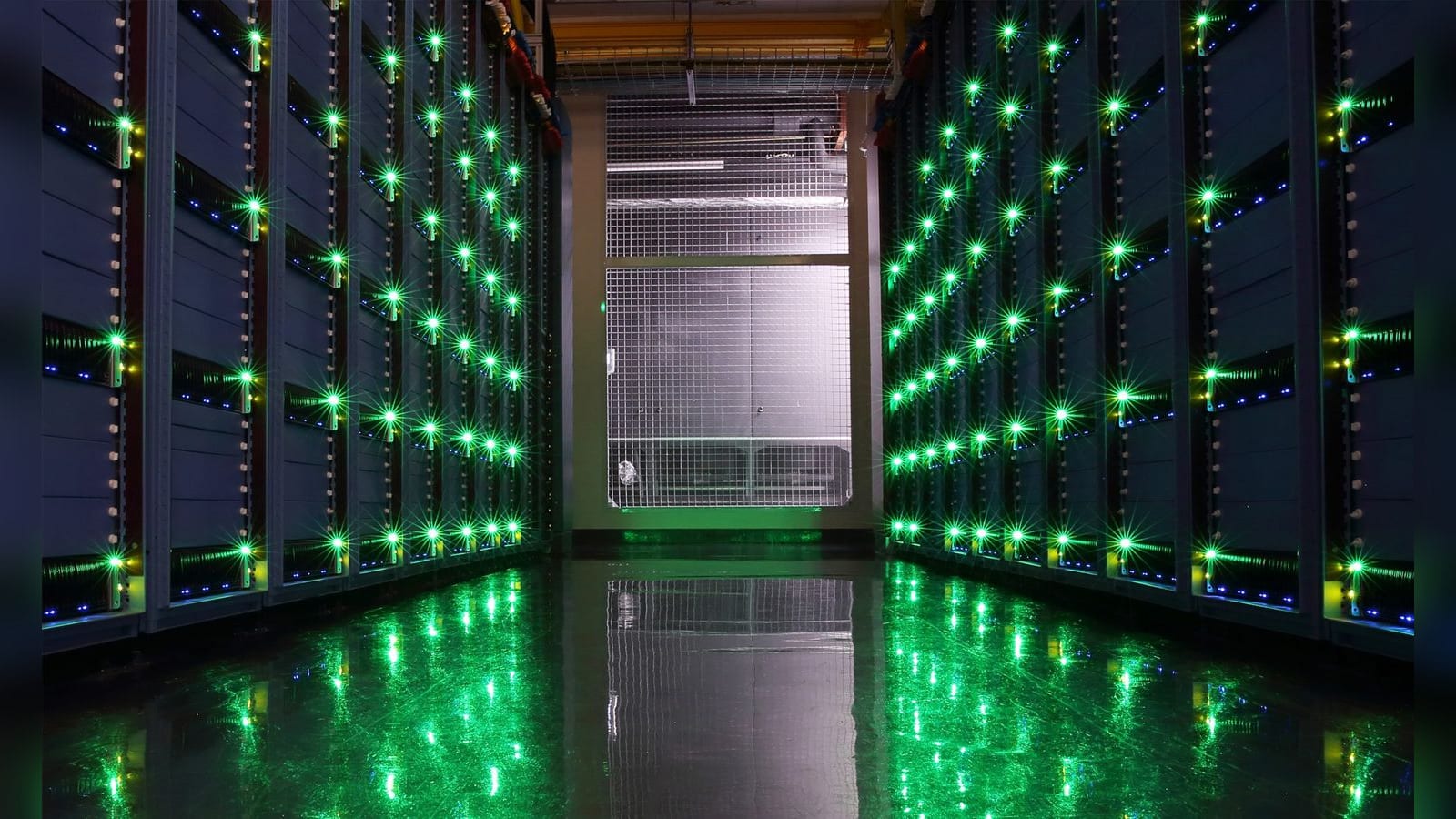
ByteDance is on track to spend more than $1 billion a year on Microsoft AI and cloud services, making it Microsoft's largest AI customer. The Chinese company accesses those services largely through OpenAI models sold via Microsoft's Azure cloud platform, according to Bloomberg.
Other major Chinese tech firms are also significant Azure spenders. Ant Group, Meituan, and Tencent Holdings all buy AI models through Azure. Much of that spending supports business expansion outside of China, according to people familiar with their operations.
How fast is Azure's AI business growing in China?
Azure's AI revenue in China is growing faster than in any other sales territory. During an internal sales meeting in July 2025, then-Microsoft Chief Commercial Officer Judson Althoff told employees that Azure's China AI revenue nearly tripled in the fiscal year ending June 2025. That followed a 400% surge in fiscal year 2024.
Althoff framed the China business in striking terms. "The world's most elite AI solutions are being built on the western coast of the United States and the eastern coast of China," he said, according to a transcript reviewed by Bloomberg. "The one company bringing those two places together is Microsoft. It's pretty awesome."
Despite that growth, Microsoft's China operation remains relatively small. Microsoft President Brad Smith told Congress that China accounted for only about 1.5% of overall company revenue in 2024.
You might also like
Why can Microsoft sell OpenAI models in China when OpenAI can't?
OpenAI and Anthropic both decline to sell their models directly to companies in China, citing fears of intellectual property theft and harmful uses. Microsoft operates differently. Due to its unique partnership with OpenAI, Microsoft sets its own policies on reselling GPT-series models in China.
Microsoft also offers a range of other AI models on Azure in China. It excludes some, such as Anthropic's models. Use cases marketed to customers include software development and customer service automation.
Here's what we know so far about the access structure: Chinese customers do not connect to servers inside China. Under Microsoft's agreements with OpenAI, models are not hosted in Chinese data centers. Instead, customers access them over the internet from facilities in other countries, including Singapore. This arrangement exists because of concerns that intellectual property could be stolen if models were hosted locally.
What are the key players and their roles?
| Company | Role |
|---|---|
| Microsoft | Sells OpenAI and other AI models to Chinese firms via Azure |
| ByteDance | Microsoft's largest AI customer; spending $1B+/year on Azure |
| Ant Group | Azure AI spender; says its core products don't rely on external models |
| Meituan | Azure AI spender |
| Tencent Holdings | Azure AI spender |
| OpenAI | Has privately complained to Microsoft about distillation risks |
Microsoft sells AI models in China only to established companies, not individual developers, in line with local regulations. Microsoft teams based in Asia manage the ByteDance account directly.
What is model distillation, and why is OpenAI worried?
Model distillation is a process where one AI model is used to generate synthetic training data that helps build a competing model. OpenAI has privately complained to Microsoft that it is not doing enough to prevent Chinese customers from distilling its models to develop competing products.
It is unclear which specific policy changes OpenAI has sought. Microsoft says it employs automated monitoring to help prevent customers from using AI models to build competing products. However, people familiar with the process say Chinese customers are not subject to heightened monitoring on their model use. Experts note it is impossible to completely prevent distillation.
ByteDance, for example, trains its own AI models and offers a widely used AI chatbot in China called Doubao. An Ant Group spokesperson said the company independently develops its own AI models and that its core products do not rely on external models.
How does Microsoft operate in China?
To sell products in China, Microsoft must partner with local providers. The company operates multiple data center regions in the country, near Beijing and Shanghai. However, as noted above, OpenAI models are not hosted at those locations — Chinese clients access them remotely from servers in countries such as Singapore.
The Anthropic ban on Chinese access to its models stands in contrast to Microsoft's approach. Anthropic and OpenAI both cite IP theft and harmful-use concerns as reasons for not selling directly in China. Microsoft's position has drawn criticism from American tech executives and lawmakers who describe China's AI push as a potential existential threat to the US industry.
The debate over OpenAI deployment safety practices is also relevant here — questions about who can access frontier models, and under what conditions, are central to both domestic and international AI policy discussions. Similarly, G7 discussions on trusted AI access have touched on how allied nations should manage frontier model distribution.
Microsoft and OpenAI both declined to comment on the reporting. ByteDance, Meituan, and Tencent did not respond to requests for comment. It remains unclear exactly how those companies use the models they purchase on Azure.
The confirmed facts on record: Azure's China AI revenue tripled in FY2025, ByteDance is on pace to exceed $1 billion in annual Microsoft spending, and OpenAI has raised private concerns about distillation — with no confirmed policy resolution yet.


0 Comments
Log in to comment
Not a member yet? Join the community
Pick a meme
KlipyHave a great take?
Drop your email — we'll send a magic link so you can post it. No password.
Not a member of the community? Join today.
Join the community →