
What did the US government order Anthropic to do?
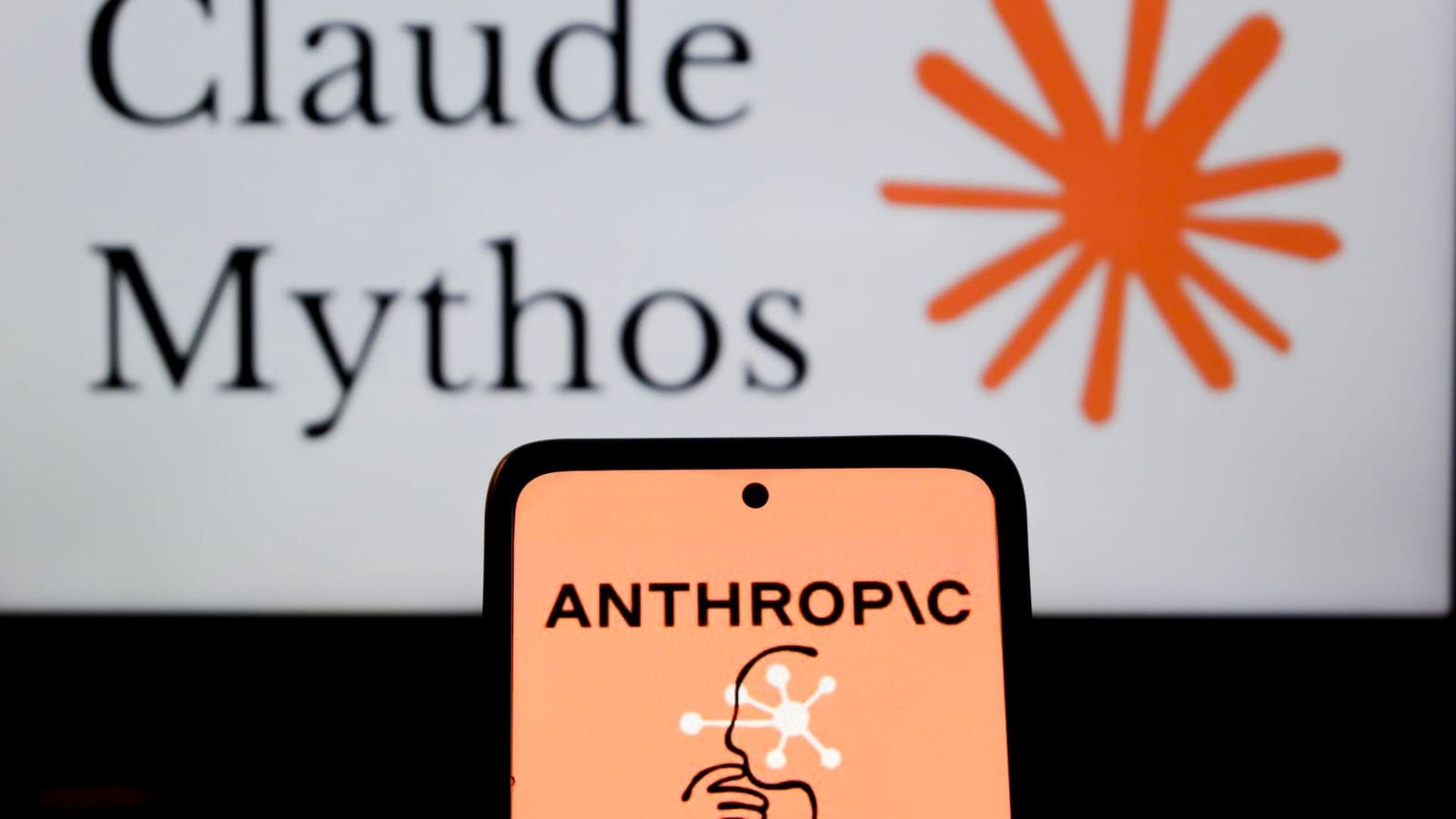
The US Department of Commerce ordered Anthropic to stop providing access to its Mythos 5 and Fable 5 frontier models to anyone outside the United States, according to Fortune. The order was revealed by Anthropic on Friday, June 13.
US export rules also bar the company from offering those models to any "foreign national" inside the US — including Anthropic's own employees. In response, Anthropic suspended access to both models for all users.
Paul Triolo, a partner at DGA-Albright Stonebridge Group, called it "the first time that a government has ordered a model developer to restrict access to a particular model based on nationality."
Which models are affected?
The two models blocked are Mythos 5 and Fable 5 — Anthropic's frontier-tier offerings. Anthropic had previously argued Mythos was too powerful for unrestricted public release.
Before the ban, Anthropic ran an early-access program called Project Glasswing. That program gave key institutions in about 15 countries — including US allies Japan and South Korea — controlled access to Mythos to find security vulnerabilities.
You might also like
Why does this matter for open-source AI?
Open-source AI models are models that users can download and run on their own computers or cloud networks, bypassing the ability of developers or governments to restrict access. They can also be fine-tuned more easily by developers.
The Anthropic ban raises the possibility that export controls could eventually hit frontier models from OpenAI or Google as well. If that happens, non-US organizations could be locked out of the best US-developed models entirely. Here's what we know so far: that scenario is already pushing governments and companies to reconsider their AI partnerships, according to Triolo.
Open-source models are seen as a natural fallback, especially for governments pursuing sovereign AI — domestically developed and controlled AI infrastructure.
Which Chinese AI companies are benefiting?
Chinese labs moved quickly to claim a public relations win. Knowledge Atlas Technology — a Chinese AI lab better known as Z.ai — saw its shares surge over 30% in Hong Kong trading on Monday after it released GLM-5.2, the latest version of its open-source model. Knowledge Atlas shares are up more than 800% since their January debut.
Z.ai posted on social media: "At a time when some frontier models can suddenly become unavailable, we choose to believe in a different path." The company added that "frontier intelligence should not belong to only a few people, nor be subject to withdrawal by a handful of rules at any moment," in a clear reference to the Anthropic news, as reported by the South China Morning Post and cited by Fortune.
What does OpenRouter usage data show?
OpenRouter is a popular platform for accessing different AI models. Last week, the top four most-used models on OpenRouter all came from Chinese companies: DeepSeek, MiniMax, Tencent, and Xiaomi.
Chinese open-source models have proven popular not just inside China but also across many developing countries, where they are viewed as a strong price-to-performance option.
How does this connect to China's broader tech strategy?
Neil Shah, vice president of research at Counterpoint Research, said the US ban is "a great move for China." He noted that while China is not at the cutting edge due to chip export controls, "they have their own silicon and their own software."
The US placed controls on advanced chip and chipmaking equipment sales to China in 2022 under the Biden administration. That move accelerated China's push toward tech self-sufficiency — a trend the Anthropic ban now appears to reinforce. The US stance on DeepSeek has been a separate but related flashpoint in that broader competition.
Who else is watching this closely?
Triolo said companies and governments "will start reconsidering how they are approaching application development based on a particular model." For governments, the question is which companies they want to partner with for sovereign AI deployments.
The Anthropic case is the first known instance of a government ordering a model developer to restrict access by nationality. That precedent has implications for the entire AI productivity and enterprise software stack that non-US organizations have built on US models.
Key facts at a glance
| Detail | Fact |
|---|---|
| Models blocked | Mythos 5, Fable 5 |
| Order issued by | US Department of Commerce |
| Announced by Anthropic | Friday, June 13, 2026 |
| Z.ai (Knowledge Atlas) share surge | +30% on Monday |
| Z.ai shares since January debut | +800% |
| Top 4 models on OpenRouter last week | DeepSeek, MiniMax, Tencent, Xiaomi |
| Project Glasswing countries | ~15, including Japan and South Korea |
The most important confirmed fact: as of June 13, Anthropic has suspended access to Mythos 5 and Fable 5 for all users globally in response to the US Department of Commerce order.



0 Comments
Log in to comment
Not a member yet? Join the community
Pick a meme
KlipyHave a great take?
Drop your email — we'll send a magic link so you can post it. No password.
Not a member of the community? Join today.
Join the community →