Start minimalism with one measurable rule: for 30 days, remove one item you don't use each day, then judge keep-or-donate by a single test — did you use it in the last 90 days? Begin with one drawer, not the whole house. Add a screen-time cap on your two worst apps. Minimalism is a subtraction habit, not a weekend purge, so make it small enough to repeat every day.
How do I actually start minimalism?
Start with one zone you can finish in 15 minutes — a nightstand drawer, your car, or your phone home screen. Small wins build the habit, while whole-house purges usually fail because they drain you before they change anything.
Use this exact first-week sequence:
- Pick one small zone and empty it completely onto a flat surface.
- Sort each item into keep, donate, or trash using the 90-day-use test.
- Return only the keepers, and give each one a fixed home.
- Bag the donations and put them in your car the same day.
- Repeat with a new zone tomorrow — one item minimum, daily, for 30 days.
The 90-day-use test is the engine: if you haven't used it in three months and it isn't sentimental or seasonal, it leaves. This removes the endless "but maybe someday" debate that stalls most people.
What should I declutter first?
Declutter the spaces you touch most and see most: your entryway, kitchen counter, bathroom sink, and phone. High-traffic surfaces give the fastest visible payoff, which keeps momentum going when motivation dips.
There is a real cognitive reason to clear surfaces first. A 2011 Journal of Neuroscience study from the Princeton Neuroscience Institute found that competing visual objects reduce how well your brain focuses on any single task. Fewer objects in view means less mental noise. In a 2010 study in Personality and Social Psychology Bulletin, people who described their homes as cluttered showed higher daytime cortisol, a stress hormone. Clearing what you look at all day is not vanity — it lowers the load your mind carries.
How is digital minimalism different from clearing clutter?
Digital minimalism is about attention, not shelf space. Physical decluttering frees rooms; digital minimalism frees hours and focus by cutting what pulls at your eyes and thumbs all day.
Cal Newport defines the idea in Digital Minimalism as using technology on purpose, keeping only the tools that strongly serve something you value. Apply it in three moves: delete your two least-useful apps, turn off every notification that isn't from a human, and set a single daily screen-time cap on your worst offender. A cleared closet won't help much if your phone still eats two hours of your evening.
What starting minimalism taught me during Ironman training
I learned minimalism the hard way, at 5am, prepping for a brick session — a bike ride straight into a run. My gear was scattered across three rooms, and I burned 20 minutes hunting for one cycling shoe while the good, cool morning air slipped away. That morning I owned too much stuff to find the few things I actually needed.
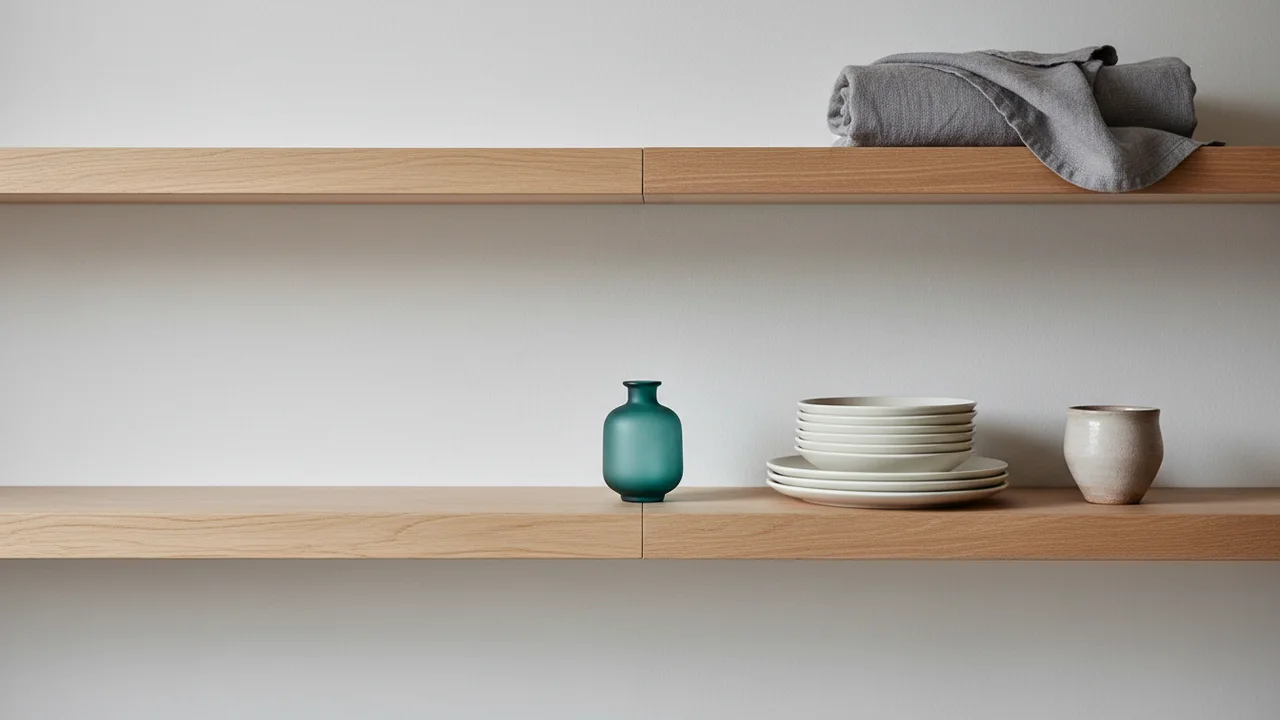
So I built a single, fixed "launch shelf": one set of tri kit, one pair of run shoes, one bottle, one headlamp, laid out the night before. Nothing else lives there. Training taught me that constraint is not deprivation — it's speed. The same is true of faith and discipline for me. When I stripped my mornings down to three non-negotiables — pray, train, plan the day — the fog lifted. I stopped managing options and started living. Owning less gave me back the two things I care about most: time and attention.
Which minimalism method should I use?
Use the method that matches your bottleneck: KonMari for emotional attachment, Digital Minimalism for phone overload, and a daily-removal game for people who freeze up. No single method is best; the best one is the one you'll repeat.
| Method | Best for | Core move | Effort to start |
|---|---|---|---|
| KonMari (Marie Kondo) | Emotional, sentimental clutter | Keep only what "sparks joy," sort by category | Medium |
| Digital Minimalism (Cal Newport) | Phone and screen overload | Remove optional tech for 30 days, add back intentionally | Low |
| Essentialism (Greg McKeown) | Overcommitted schedules | Say no to the non-essential few | Low |
| The Minimalist Game | People who stall or freeze | Remove 1 item day one, 2 on day two, up the month | Low |
| 365-Less-Things | Slow, steady removers | Remove one item every day for a year | Low |
Start with one method for 30 days. Switching systems every week is just a new form of clutter.
How do I keep minimalism from backsliding?
Keep minimalism by installing rules, not relying on willpower. The two that hold best are one-in-one-out for every new purchase and a short monthly reset you actually schedule.
Protect your progress with these habits:
- One-in-one-out: every new item means one similar item leaves that day.
- A 24-hour buy pause: wait a day before any non-essential purchase; most urges fade.
- A monthly 15-minute reset: clear the surfaces that always creep back.
- A donation box by the door: fill it passively, drop it off when full.
- One digital sweep a month: delete unused apps and dead subscriptions.
Minimalism is not a finish line you cross once. It's a small, calm practice you keep — the way you keep any habit worth having.