Practicing gratitude daily takes two minutes: write down three specific things you are thankful for, and thank one person directly. Harvard Health reports this simple habit can lift happiness by about 25%. The key is naming concrete details, not vague ideas, and repeating it every day at the same time.
What is gratitude and why does it matter?
Gratitude is the practice of noticing and appreciating what is good in your life. It is a skill you train, not a mood you wait for. Martin Seligman, a founder of positive psychology, tested gratitude exercises and found they produced lasting boosts in well-being.
The effect is partly biological. When you feel thankful, your brain releases dopamine and serotonin, the chemicals tied to positive emotions. Repeated over weeks, gratitude can rewire your attention toward what is going right instead of what is missing. That shift in focus is why a two-minute habit can change how a whole day feels.
How can I practice gratitude daily?
Start small and keep it consistent. Here is a simple daily routine I use and recommend:
- Pick a fixed time — morning coffee or right before bed.
- Write down three specific things you are grateful for. Not "my family," but "my sister called to check on me today."
- Add one sentence on why each one matters to you.
- Say one genuine thank-you out loud or by text to a real person.
- Reread yesterday's entry to build momentum.
Specificity is the whole game. "Good weather" fades fast; "the sun on my back during my morning run" sticks. Keep it to two minutes so you never dread it.
What are the mental health benefits of gratitude?
The research is consistent and measurable. Gratitude journaling can reduce stress and anxiety by roughly 30%, according to the University of California, Irvine. It also supports rest — the National Sleep Foundation reports that 75% of people who practice gratitude daily say they sleep better.
| Benefit | Reported effect | Source |
|---|---|---|
| Happiness | +25% | Harvard Health |
| Stress and anxiety | -30% | UC Irvine |
| Better sleep quality | 75% report improvement | National Sleep Foundation |
| Self-esteem and confidence | +15% | American Psychological Association |
| Physical activity | 23% more likely to exercise | Journal of Positive Psychology |
These gains compound. Better sleep lowers stress, lower stress lifts mood, and a steadier mood makes the habit easier to keep. You can read more on the link between sleep and gratitude from the Sleep Foundation.
How do I make gratitude a habit?
Most people quit because they treat gratitude as an extra chore. The fix is to bolt it onto something you already do. This is called habit stacking, and it removes the need for willpower.
- Anchor it. Tie the practice to coffee, brushing your teeth, or shutting your laptop.
- Lower the bar. One line counts on a hard day. Missing a day does not break the streak — skipping two in a row does.
- Make it visible. Keep a notebook on your pillow or a note pinned on your phone.
- Track it lightly. A simple checkmark on a calendar is enough motivation.
Mindfulness helps here. When you slow down for a moment before writing, you notice more to be grateful for. The goal is a two-minute ritual that runs on autopilot within about three weeks.
What gratitude exercises can I try?
Variety keeps the practice from going stale. Rotate through these when a plain list starts to feel routine:
- The gratitude letter. Write a full letter to someone who helped you, then read it to them. Seligman found this one produces the biggest happiness spike.
- Three good things. Each night, record three things that went well and why.
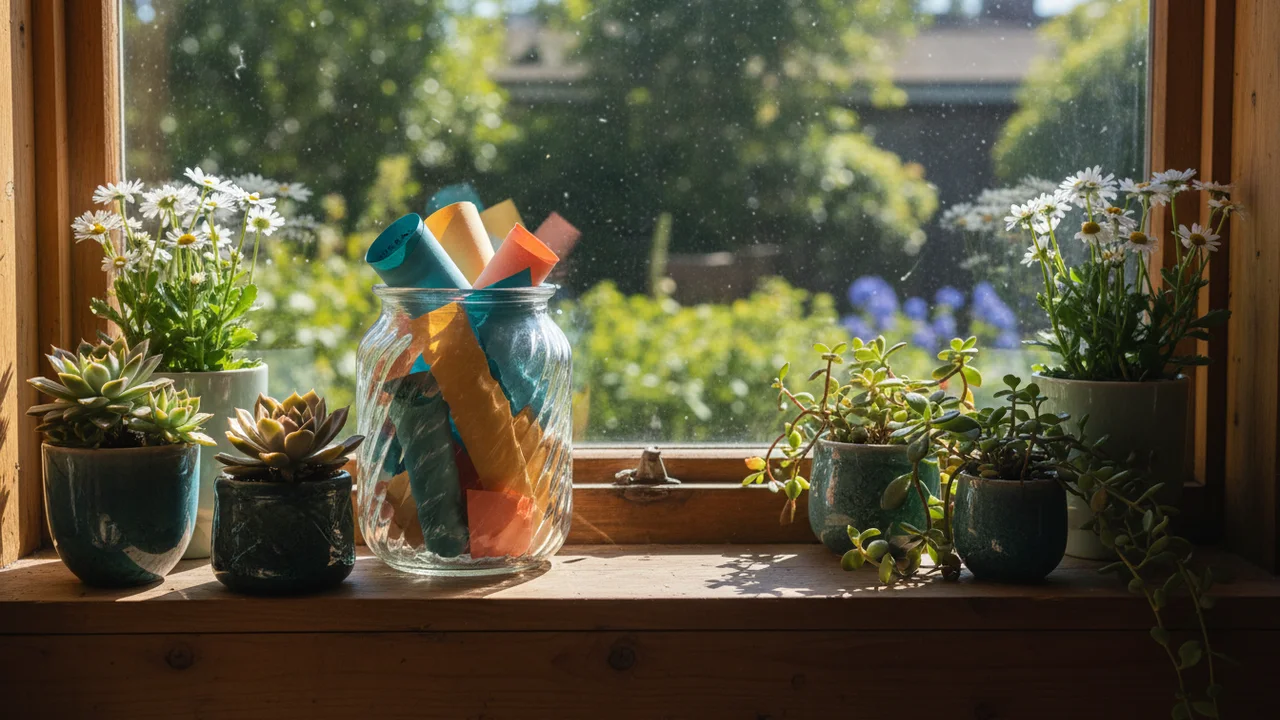
- The gratitude jar. Drop a note in a jar whenever something good happens, then read them at year's end.
- Mental subtraction. Imagine a good thing in your life never happened. This resets how much you value it.
- Photo gratitude. Snap one photo a day of something you appreciate.
Books like The Gratitude Diaries and The Happiness Advantage offer more structured versions if you want a longer program.
How can gratitude improve my relationships?
Gratitude is one of the fastest ways to strengthen a bond. Gallup research links regular appreciation to about a 20% improvement in relationship quality, because people feel seen when their effort is named.
The practice is simple: tell people specifically what they did and how it helped. "Thanks for dinner" is fine, but "Thanks for cooking after my long day — it took a real weight off" lands deeper. Do this with a partner, a coworker, or a friend, and expressed gratitude tends to circle back to you. Over time, it builds the resilience and trust that carry relationships through hard seasons.