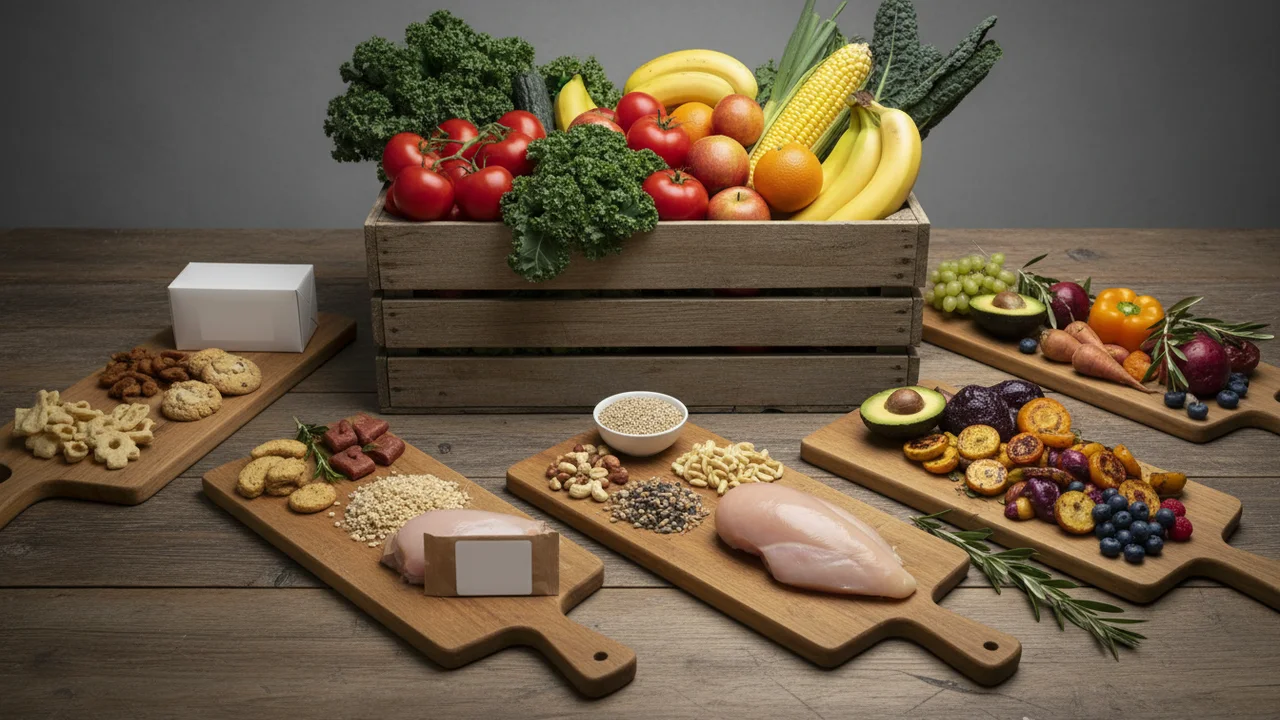
The average American eats about 27 pounds of added sugar each year, and trimming even part of that back helps your health more than any crash diet. You can eat healthier without dieting by adding foods instead of banning them: more produce, more water, more whole grains. Small, repeated swaps beat strict rules because they survive busy weeks. Focus on what goes onto your plate, not on what you deny yourself.
What does eating healthier without dieting actually mean?
Dieting usually means restriction: counting calories, cutting food groups, and following rules with a start and end date. Eating healthier without dieting means changing your defaults so good choices happen automatically.
The difference matters. A diet asks for willpower every meal. A habit asks once, then runs on autopilot. Writer Michael Pollan summed up the whole approach in seven words: "Eat food. Not too much. Mostly plants."
This approach has no forbidden list. You are not "cheating" when you eat cake at a birthday. You are simply building a pattern where most of your meals are built from whole, minimally processed foods. According to the U.S. Department of Health and Human Services dietary guidelines, lasting patterns matter more than any single food.
How can I make small changes that stick?
Change one thing at a time. When you try to overhaul everything at once, the whole plan collapses within a week. I have watched this fail in my own kitchen more than once.
You might also like
Start with these steps, in order:
- Pick one meal to improve first, usually breakfast, since it repeats daily.
- Add before you subtract—put a fruit or vegetable on the plate before removing anything.
- Swap one refined grain for a whole grain, like brown rice for white.
- Keep water visible; drink a glass before each meal.
- Repeat the same swap for two weeks until it feels normal, then add the next.
This works because each change is small enough to ignore your resistance. The goal is a new default, not a heroic effort. Mayo Clinic notes that gradual, realistic changes are far more likely to last than dramatic overhauls.
What should I add to my plate instead of cutting out?
Adding crowds out the less helpful stuff naturally. When half your plate is vegetables, there is simply less room for the fried side. The Harvard T.H. Chan School of Public Health recommends filling half your plate with fruits and vegetables at most meals.
Focus on these additions:
- Fruits and vegetables: aim for at least five servings daily.
- Whole grains: brown rice, oats, and quinoa for more fiber and nutrients.
- Healthy fats: avocado, nuts, and olive oil to support heart health.
- Water: 8-10 glasses a day to aid digestion and steady your energy.
Here is how common swaps compare:
| Common choice | Better default | Why it helps |
|---|---|---|
| White bread | Whole-grain bread | More fiber, slower energy release |
| Soda | Water or sparkling water | Cuts a large share of added sugar |
| Chips | Nuts or fruit | Adds healthy fats or vitamins |
| White rice | Brown rice or quinoa | More nutrients per serving |
| Sugary cereal | Oats with fruit | Steadier morning energy |
None of these swaps require you to feel hungry or deprived. That is the point—better food, not less food.
Why do restrictive diets usually fail?
Restrictive diets fail because they run on scarcity and shame. The rules feel good for two weeks, then real life returns: a late meeting, a stressful day, a holiday. When the rules break, most people abandon the whole plan.
Strict diets also ignore biology. Deep restriction can slow your metabolism and spike cravings, which is why the lost weight often returns. Popular plans like Keto, Whole30, and Intermittent Fasting can work for some people, but only if the pattern is sustainable for years, not weeks.
The Blue Zones—regions where people live longest—show a calmer path. Their residents do not diet. They eat mostly plants, stop when nearly full, and share meals with others. Consistency, not intensity, does the heavy lifting.
How can I make healthy eating a lasting habit?
Habits form through repetition and environment, not motivation. Motivation fades by Wednesday; a well-stocked kitchen does not. Design your surroundings so the healthy choice is the easy one.
Try these anchors:
- Keep cut fruit and vegetables at eye level in the fridge.
- Prep one component in advance, like a pot of grains for the week.
- Pair a new habit with an existing one, such as water with your morning coffee.
- Eat mindfully—slow down, notice flavors, and stop at comfortably full.
Progress beats perfection. If you eat well 80% of the time, the other 20% will not undo your health. The Centers for Disease Control and Prevention links steady, balanced eating to lower risk of heart disease, diabetes, and other chronic conditions. Build the pattern, forgive the slips, and let your new normal do the work.
0 Comments
Log in to comment
Not a member yet? Join the community
Pick a meme
KlipyHave a great take?
Drop your email — we'll send a magic link so you can post it. No password.
Not a member of the community? Join today.
Join the community →