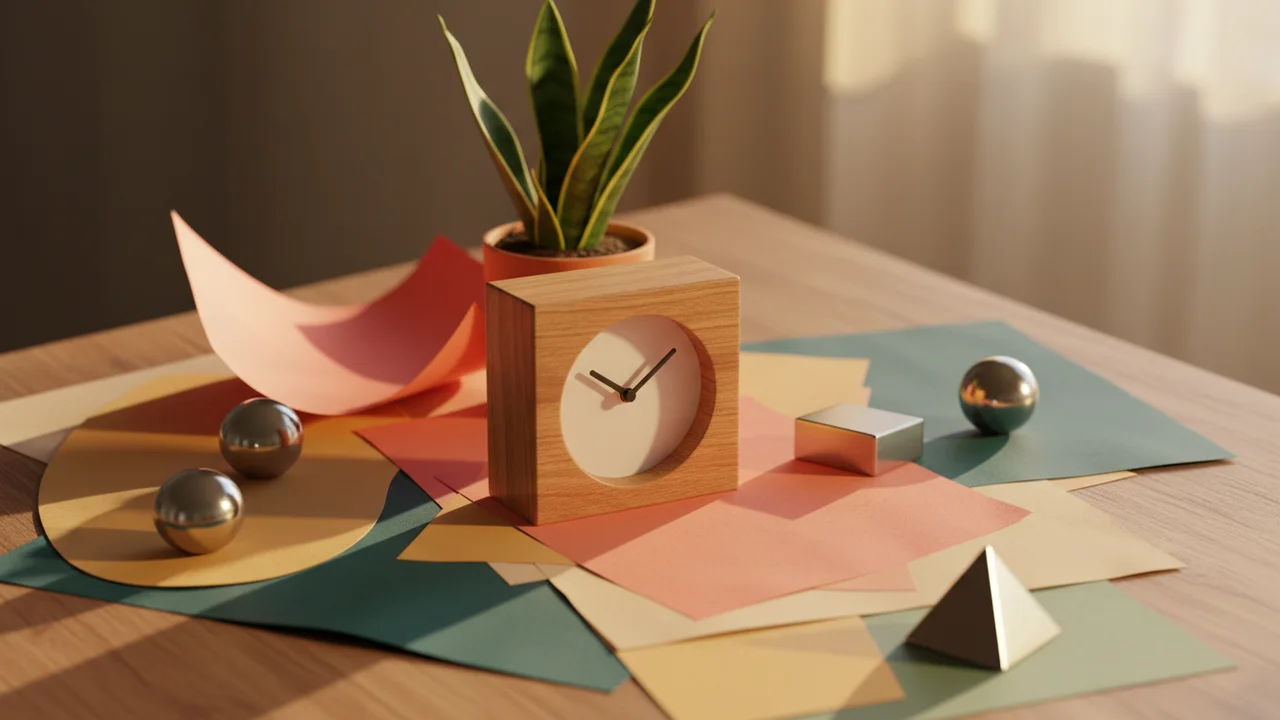
The fastest way to be more productive is to do fewer things with full attention. Work in focused 25-minute blocks, which can raise output by up to 28% according to Harvard Business Review. Then protect that focus: multitasking cuts productivity by as much as 40%. Add a written task list, 7-9 hours of sleep, and daily movement. Productivity is not busyness. It is finishing the work that actually matters to your life.
What Is Productivity and Why Does It Matter?
Productivity is the amount of meaningful output you produce for the time and energy you spend. It is a ratio, not a total. Working 12 hours and finishing three important tasks beats working 12 hours and answering 200 emails.
I stopped measuring my days by hours logged and started measuring them by whether the two or three things that mattered got done. That shift changed everything. When productivity serves a life instead of a metric, you protect time for health, relationships, and rest, not just work.
The payoff is real. The American Psychological Association reports that using a task list can reduce stress by 25% and increase productivity by 15%. Less stress and more output usually come from the same habit: deciding what to do before you start.
How Can I Set Effective Goals and Priorities?
Start with the 80/20 rule, also called Pareto analysis. It states that 80% of your results come from about 20% of your efforts. Your job is to find that 20% and defend it.
You might also like
Here is a simple weekly method I use:
- Write down every task you think you owe this week.
- Circle the two or three that create the most real value.
- Schedule those first, in your best hours.
- Batch or delete the rest.
Brian Tracy's book Eat That Frog! pushes the same idea: do your hardest, highest-impact task first, before distractions win. Stephen Covey's The 7 Habits of Highly Effective People frames this as putting "first things first." Both agree that priority is a decision you make in advance, not a feeling you have in the moment.
What Are the Best Time Management Techniques?
Good time management removes friction and decisions. The table below compares four proven methods so you can pick one that fits how you work.
| Technique | Core idea | Best for | Reported effect |
|---|---|---|---|
| Pomodoro Technique | 25 min focus, 5 min break | Beating procrastination | Up to 28% more output |
| Getting Things Done (GTD) | Capture every task externally | Busy, scattered days | Lower mental load |
| 80/20 rule | Focus on the vital few | Overloaded schedules | High-leverage output |
| Time blocking | Assign each task a calendar slot | Deep work sessions | Fewer context switches |
The Pomodoro Technique, created by Francesco Cirillo, is the easiest to start today. David Allen's Getting Things Done and Cal Newport's Deep Work both argue the same point from different angles: your brain performs best when it holds one thing at a time. Pick one method and run it for two weeks before judging it.
How Can I Avoid Distractions and Stay Focused?
Distraction is the biggest tax on modern focus. Deloitte research found that the average person checks their phone more than 150 times per day. Each check pulls you out of deep work and forces a costly restart.
Use these guardrails:
- Put your phone in another room during focus blocks.
- Turn off all non-urgent notifications.
- Close every browser tab that is not part of the current task.
- Work in one 25-minute Pomodoro before checking messages.
Single-tasking is the real skill. Stanford University research shows heavy multitasking can decrease productivity by up to 40%. When you feel the urge to switch, write the stray thought on paper and return to it later. The task stays captured; your focus stays intact.
What Are the Benefits of Self-Care for Productivity?
Productivity is a body problem as much as a schedule problem. You cannot out-plan a tired brain.
Three habits carry most of the weight:
- Sleep. The National Sleep Foundation reports that 7-9 hours per night can improve productivity by 12%.
- Exercise. The Mayo Clinic finds that regular exercise can increase productivity by 15% and sharpen cognitive function.
- Breaks. University of Illinois research shows short, regular breaks can improve productivity by 13%.
This is why the anti-hustle approach wins over time. Skipping sleep to work more usually costs you the next day. Rest, movement, and breaks are not rewards for finishing; they are the engine that gets you there. In Four Thousand Weeks, Oliver Burkeman argues that accepting your limits is what makes real focus possible.
Which Tools and Apps Actually Boost Productivity?
Tools help only after your priorities are clear. A great app cannot fix a fuzzy plan. Once you know your top tasks, a simple system keeps them visible.
Reliable options include Todoist for capturing and sorting tasks, and Trello for tracking projects on a visual board. A basic Pomodoro timer is enough to run focus blocks. Tim Ferriss, author of The 4-Hour Work Week, warns against confusing motion with progress, so choose one task manager and one timer, then stop shopping for tools. The goal is fewer decisions, not more software.

0 Comments
Log in to comment
Not a member yet? Join the community
Pick a meme
KlipyHave a great take?
Drop your email — we'll send a magic link so you can post it. No password.
Not a member of the community? Join today.
Join the community →