What did HCA Healthcare publish in the NEJM?
HCA Healthcare announced on June 29, 2026 that The New England Journal of Medicine published the first data evaluating exa-cel in children ages 5–11 with severe sickle cell disease and transfusion-dependent beta thalassemia. The study was led by Dr. Haydar Frangoul, medical director of the Pediatric Stem Cell Transplant Program at TriStar Centennial Children's Hospital in Nashville, Tennessee. It was conducted in collaboration with Sarah Cannon Research Institute.
Exagamglogene autotemcel (exa-cel) is a CRISPR-based gene-editing therapy that targets inherited blood disorders by editing a patient's own stem cells. According to HCA Healthcare's announcement on Business Wire, this study represents the first published data on exa-cel in children younger than 12.
Why does treating children ages 5–11 matter?
Sickle cell disease and beta thalassemia are inherited blood disorders. They can cause serious, lifelong complications that begin in childhood. Treating patients in the 5–11 age range could allow earlier intervention — before years of cumulative injury and treatment burden occur.
"For many patients with sickle cell disease and beta thalassemia, the burden of disease begins early in life," said Dr. Frangoul in the announcement.
You might also like



Who is Dr. Haydar Frangoul?
Dr. Frangoul is a nationally recognized leader in stem cell transplantation and gene therapy. He was an investigator in the first U.S. clinical trial to use gene-editing to treat sickle cell disease. That work contributed to the development of the first FDA-approved CRISPR-based therapy in the U.S. for patients ages 12 and older. His current NEJM study builds directly on that earlier research.
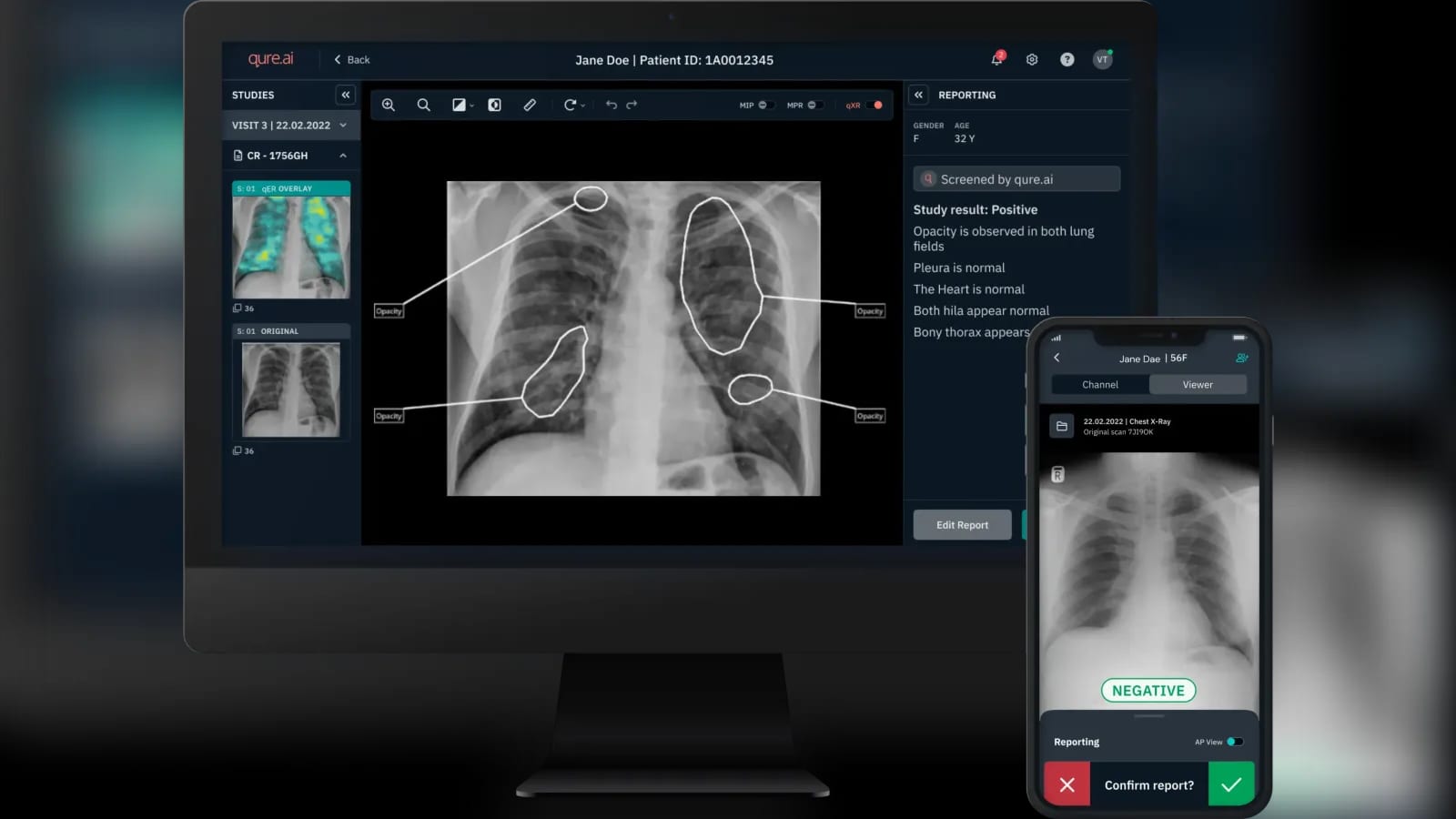
This kind of work sits at the intersection of FDA radiology AI and broader regulatory momentum around AI-assisted and gene-based medical technologies.
Where is HCA Healthcare offering exa-cel today?
HCA Healthcare is expanding access to FDA-approved gene-editing therapies through specialized transplant and cellular therapy programs. Here is the current status of those programs:
| Hospital | Location | Status |
|---|---|---|
| TriStar Centennial Children's Hospital | Nashville, TN | Currently offering gene-editing therapies |
| Methodist Children's Hospital | San Antonio, TX | Currently offering gene-editing therapies |
| Medical City Children's Hospital | Dallas, TX | Preparing to expand services |
All three hospitals are part of HCA Healthcare's network. The Sarah Cannon Transplant and Cellular Therapy Network performs more than 1,600 blood and marrow transplants and cellular therapies annually across its sites.
What is the Sarah Cannon Transplant and Cellular Therapy Network?
The Sarah Cannon Transplant and Cellular Therapy Network is HCA Healthcare's specialized network for transplant and cellular therapy programs. TriStar Centennial Medical Center is a key site within this network. The current NEJM study builds on research conducted at that center.
What is the background on FDA-approved CRISPR therapy?
The first FDA-approved CRISPR-based therapy in the U.S. was approved for patients ages 12 and older. Dr. Frangoul's earlier work as a clinical trial investigator contributed to that approval. The new NEJM study now evaluates whether the same therapy — exa-cel — can work safely and effectively in younger children, ages 5–11.
Here's what we know so far: the sources confirm this is the first published data in this younger age group, but the full clinical results and any regulatory implications for expanded age labeling are not detailed in the announcement.
Key facts about the NEJM study at a glance
- Lead author: Dr. Haydar Frangoul, TriStar Centennial Children's Hospital, Nashville
- Therapy evaluated: Exagamglogene autotemcel (exa-cel), a CRISPR-based gene-editing therapy
- Patient population: Children ages 5–11 with severe sickle cell disease or transfusion-dependent beta thalassemia
- Published in: The New England Journal of Medicine
- Announced: June 29, 2026
- Conducted with: Sarah Cannon Research Institute
- Network volume: More than 1,600 blood and marrow transplants and cellular therapies performed annually across the Sarah Cannon network
As reported by Stock Titan, the study highlights advances in CRISPR-based therapy for children and the potential for earlier intervention in inherited blood disorders.
Medical City Children's Hospital in Dallas is the next site preparing to expand gene-editing therapy services within HCA Healthcare's network.



0 Comments
Log in to comment
Not a member yet? Join the community
Pick a meme
KlipyHave a great take?
Drop your email — we'll send a magic link so you can post it. No password.
Not a member of the community? Join today.
Join the community →