What did Anthropic file with the SEC on June 1, 2026?
Anthropic confidentially filed its IPO prospectus with the Securities and Exchange Commission on Monday, June 1, 2026. The company confirmed the move in a public statement: "This gives us the option to go public after the SEC completes its review. The proposed initial public offering will depend on market conditions and other factors."
The confidential filing is a standard pre-IPO step that allows companies to submit their S-1 prospectus for SEC review before making it public. Anthropic has also selected underwriters for the offering, though the prospectus itself remains confidential pending that review, according to CNBC.
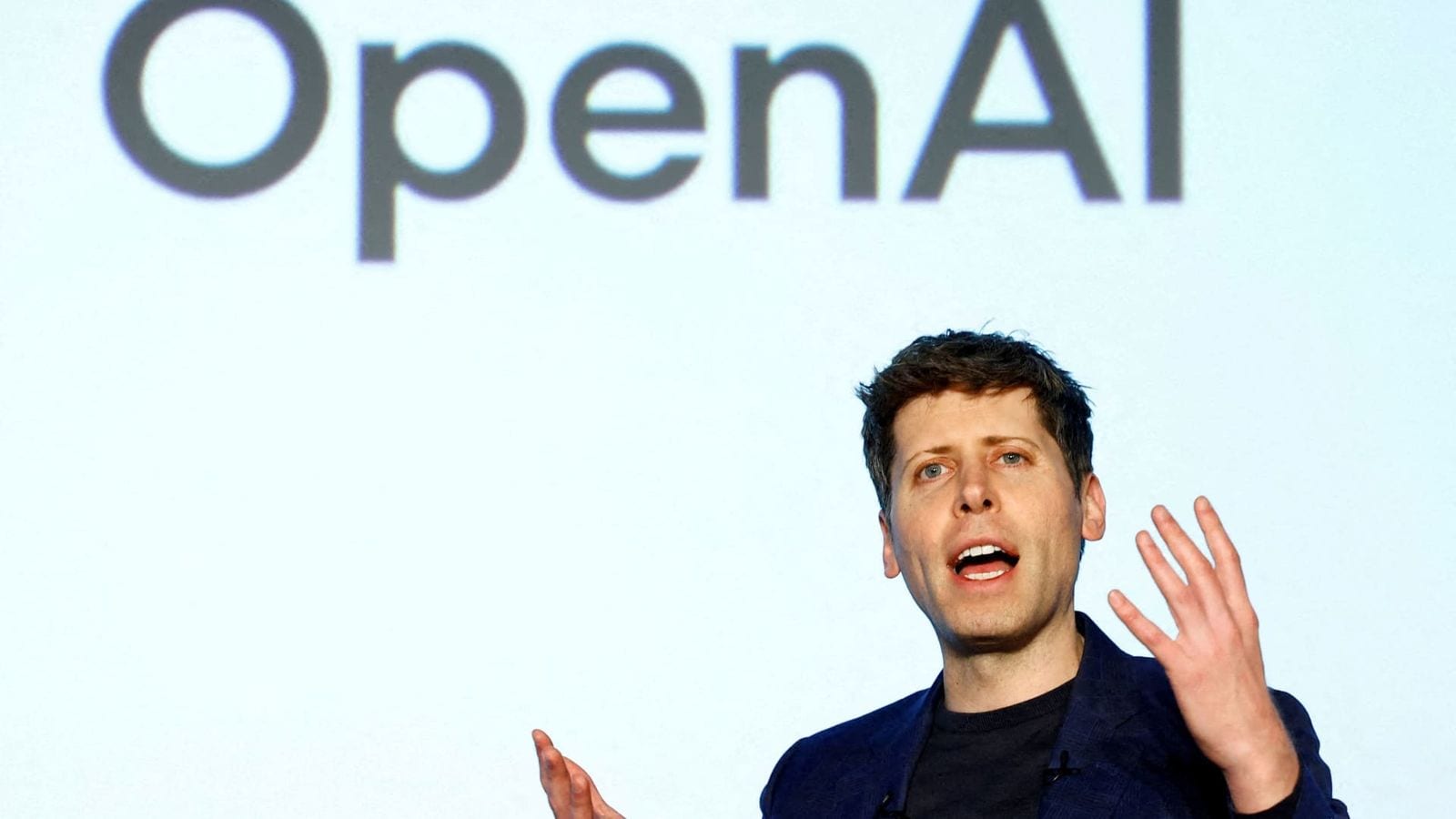
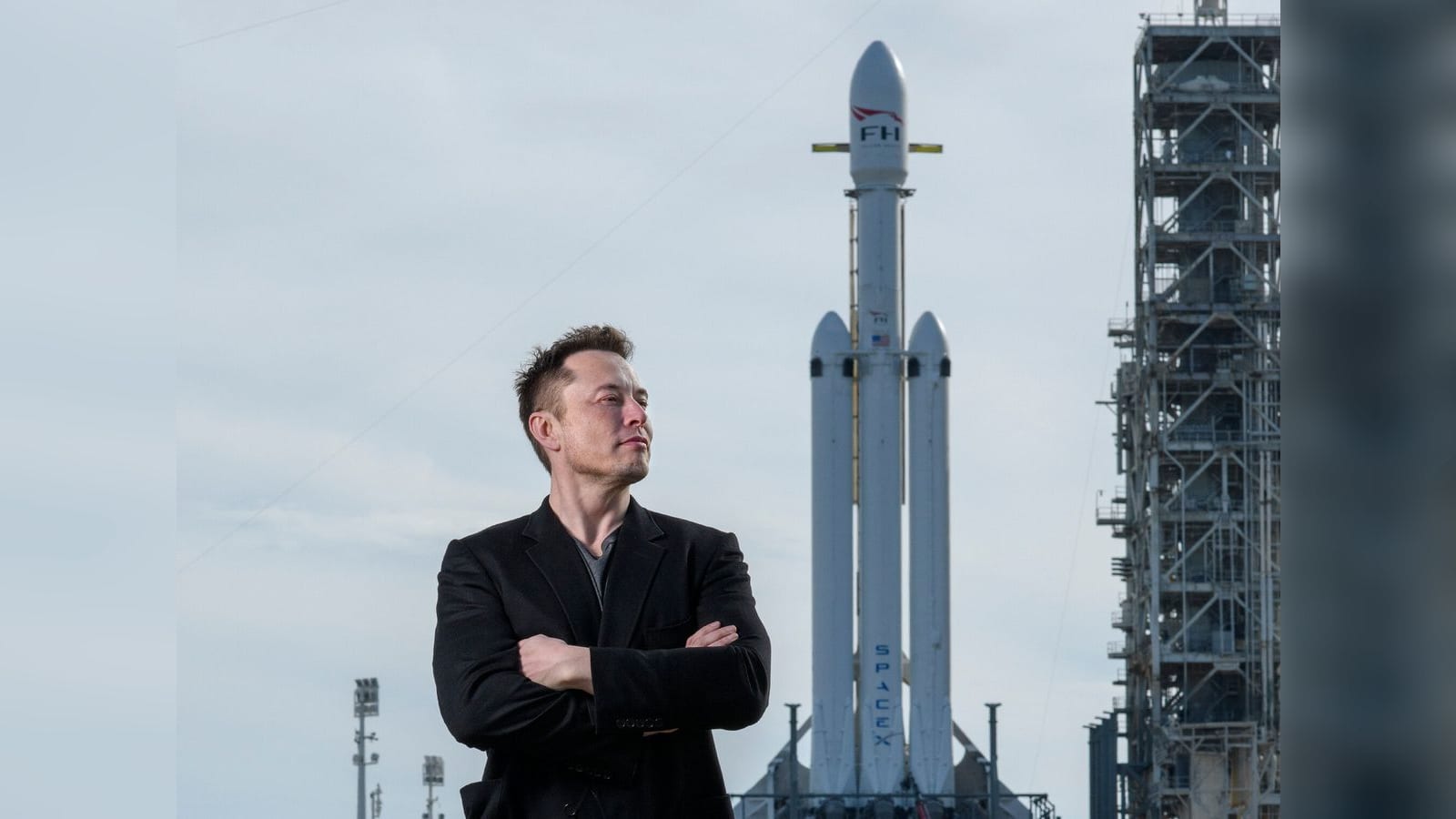
By filing when it did, Anthropic moved ahead of rival OpenAI, which is readying its own confidential filing. Elon Musk's SpaceX has already officially filed its prospectus, making the broader tech and AI IPO pipeline unusually active heading into mid-2026, per CNBC.
Why is OpenAI disputing Anthropic's revenue figures?
Even as Anthropic prepares for its public debut, OpenAI is telling investors that Anthropic overstates its revenue by billions. The dispute, reported by Reuters, centers on how each company treats cloud compute costs in its accounting — specifically, whether those costs are recorded as a gross revenue line or netted out before reporting headline revenue numbers.
The difference is not trivial. Depending on which treatment a company applies, its reported revenue can look materially larger or smaller. OpenAI's position is that Anthropic's gross treatment inflates the numbers investors see. Anthropic's approach, by contrast, produces higher headline figures that may not reflect the same underlying economics as OpenAI's net treatment.
You might also like



The stakes are high for both companies. According to AI Weekly, at least one investor requires a $1.2 trillion public valuation to justify OpenAI's private funding round. That figure makes the accounting methodology a live financial question, not just a technical one.
DA Davidson has argued that whichever AI company goes public first will effectively define valuation reporting standards for the entire sector, per AI Weekly. That means the outcome of this accounting dispute could shape how Wall Street prices AI companies for years.
What metric cuts through the gross-versus-net debate?
AI Weekly introduces revenue per gigawatt of compute as an accounting-neutral way to compare the two companies. Because this metric ties revenue to physical compute consumption rather than to how costs are booked, it sidesteps the gross-versus-net disagreement entirely.
On that measure, Anthropic comes in at $21.4 billion per gigawatt. OpenAI comes in at $12.6 billion per gigawatt. That is a 70% efficiency gap in Anthropic's favor, and it holds regardless of which accounting treatment either company applies to its cloud costs.
How fast is Anthropic growing compared to OpenAI?
Beyond the accounting dispute, AI Weekly reports that Anthropic achieved 30x revenue expansion over 15 months. OpenAI's annualized growth rate over the same period is reported at 25%. AI Weekly frames this difference as reflecting a structurally different business model between the two companies, not simply a difference in scale.
What does an internal Anthropic memo reveal about strategy?
AI Weekly's analysis of an internal memo attributed to a figure named Dresser adds several strategic details that go beyond the IPO filing itself.
The memo flags an Amazon distribution pivot as a meaningful signal for Anthropic's go-to-market direction. It also references a new model called Spud. Dresser's direct language in the memo warns against Anthropic becoming a "single-product company in a platform war" — a phrase that points to concerns about competitive positioning as the AI market consolidates around platform players.
The memo also references Anthropic's "fear and restriction" framing as a strategic concern, suggesting internal debate about how the company positions its safety-focused identity against more aggressive commercial competitors.
Where does the IPO process stand now?
Anthropic's timeline is contingent on two factors the company named explicitly: SEC review completion and market conditions. The confidential filing means the prospectus is not yet public, and no pricing or listing date has been announced.
OpenAI is preparing its own confidential filing, putting the two companies on a near-parallel IPO track. SpaceX has already moved further along by officially filing its prospectus, according to CNBC. The AP has also covered the filing as a landmark moment for AI investment. Business Insider has raised the question of whether going public before OpenAI could itself carry strategic risk for Anthropic.
The accounting dispute, the internal memo signals, and the compute-efficiency gap all feed into a broader question that DA Davidson identified: whoever sets the IPO template first sets the terms for how the entire AI sector gets valued on public markets.

0 Comments
Log in to comment
Not a member yet? Join the community
Pick a meme
KlipyHave a great take?
Drop your email — we'll send a magic link so you can post it. No password.
Not a member of the community? Join today.
Join the community →