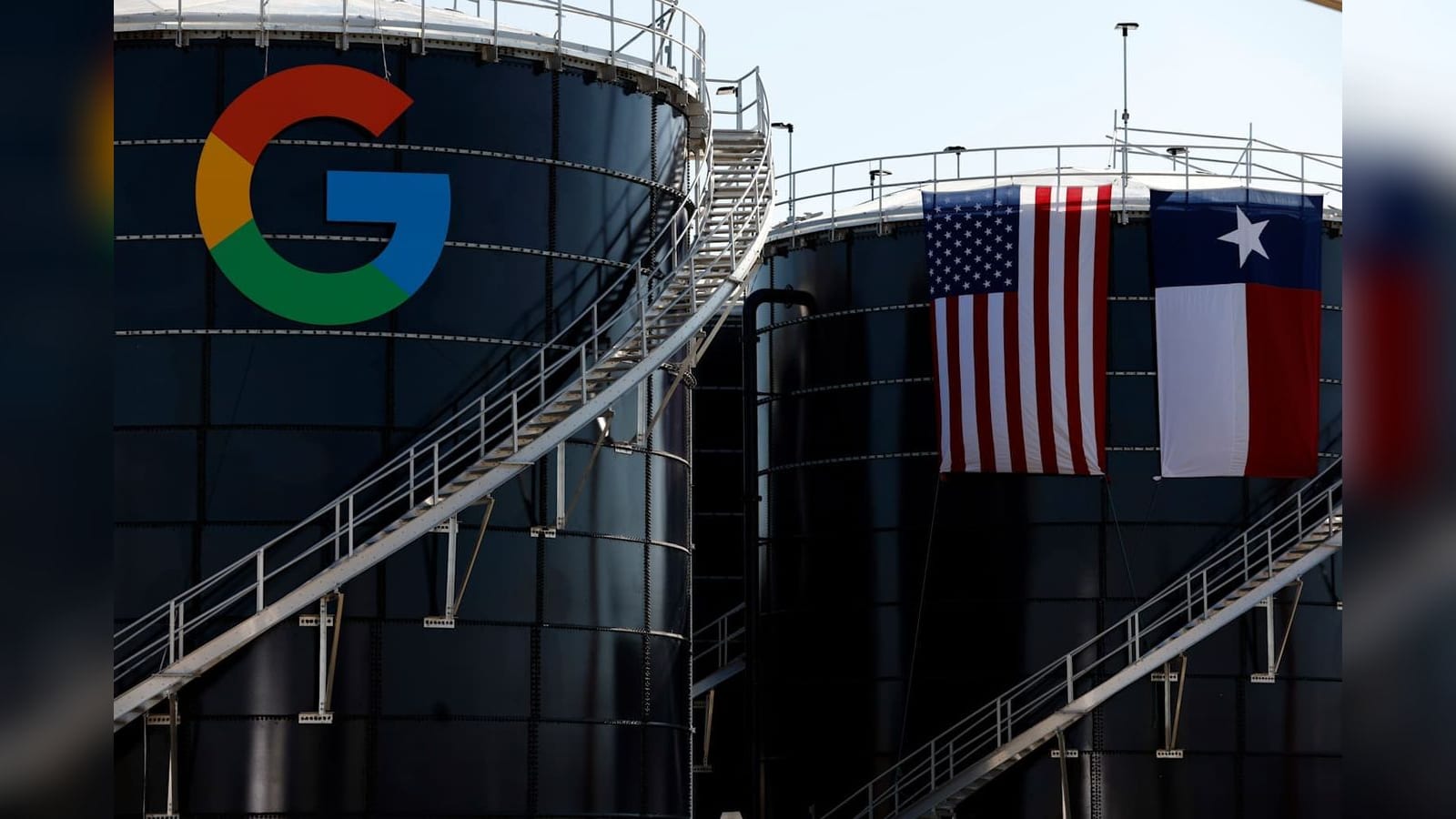
What did Google's 2025 Environmental Report find?
Google's overall emissions are up 51% compared to a 2019 baseline, according to the company's 11th annual Environmental Report, released in 2025. That increase happened even as Google made measurable progress on clean energy procurement and data center efficiency.
The report covers Google's full 2025 sustainability performance. It tracks scope 1, 2, and 3 emissions, clean energy deals, and progress toward the company's 2030 net-zero target.
How much did Google's emissions change year-over-year?
Operational emissions — scope 1 and 2 — fell 11% year-over-year. But scope 3 emissions, which cover the broader supply chain and value chain, rose 22%. The net result was an 11% increase in total company emissions, according to ESG Dive.
Here's a snapshot of the key emissions figures from the report:
| Metric | Change |
|---|---|
| Overall emissions vs. 2019 baseline | +51% |
| Year-over-year total emissions | +11% |
| Scope 1 & 2 (operational) emissions | -11% year-over-year |
| Scope 3 emissions | +22% year-over-year |
| Data center emissions (2024) | -12% |
What progress did Google make on clean energy?
Google signed agreements for over 12 GW of net-new clean energy in 2025 alone. The company described that figure as roughly enough to power a country the size of Greece for a year, once operational.
In 2024 specifically, Google signed power agreements for 8 GW of new clean energy generation and brought 2.5 GW of new clean energy online. The company also powered 66% of its global operations with carbon-free energy last year.
You might also like



Google also reported a 2% reduction in operational emissions in 2025, despite significant ongoing growth in electricity demand.
Why are Google's total emissions still rising?
Google was direct about the cause. The company stated its AI infrastructure buildout is "currently accelerating faster than the grid is decarbonizing." That tension between rapid AI growth and clean energy supply is the central challenge the report describes.
The company said achieving its climate targets "is now more complex and challenging across every level — from local to global." It cited AI's energy demand and policy uncertainty as contributing factors.
This dynamic is not unique to Google. As builders and founders in the AI space push more workloads into data centers, the AI energy demand problem is becoming a structural issue for the whole industry — here's what we know so far from the data Google has disclosed.
How did Google's data center emissions perform?
Data center emissions dropped 12% in 2024, even as AI drove up energy demand. That is a meaningful operational win. But it was not enough to offset the rise in scope 3 emissions across the broader business.
Google's data centers are a focus of its decarbonization work. The company has a goal to run all global operations on 24/7 carbon-free energy by 2030.
What is Google's 2030 climate target?
Google's 2030 targets include:
- Halving scope 1, 2, and absolute scope 3 emissions
- Running all global operations on 24/7 carbon-free energy by end of decade
The company called these targets "moonshots" and "ambition-based" in this year's report. That language is a shift from how the same targets were framed in prior reports, ESG Dive noted.
Google stated it remains "committed to its climate moonshots" despite the growing complexity.
The broader conversation about tech giants and energy use connects to how companies like Google are also rethinking their AI infrastructure strategies — similar pressures are visible in how Amazon eyes alt AI models as compute costs climb, and how SpaceX engineers on Grok reflect the industry's race to scale AI regardless of infrastructure constraints.
It's also worth noting that key figures behind these companies are making headlines beyond just emissions. Sergey Brin's NYC losses recently drew attention, a reminder that Google's co-founders remain in the public eye as the company faces scrutiny on multiple fronts.
Google's confirmed next milestone is its 2030 net-zero target date, with the 12 GW of newly signed clean energy agreements expected to come online before then.




0 Comments
Log in to comment
Not a member yet? Join the community
Pick a meme
KlipyHave a great take?
Drop your email — we'll send a magic link so you can post it. No password.
Not a member of the community? Join today.
Join the community →