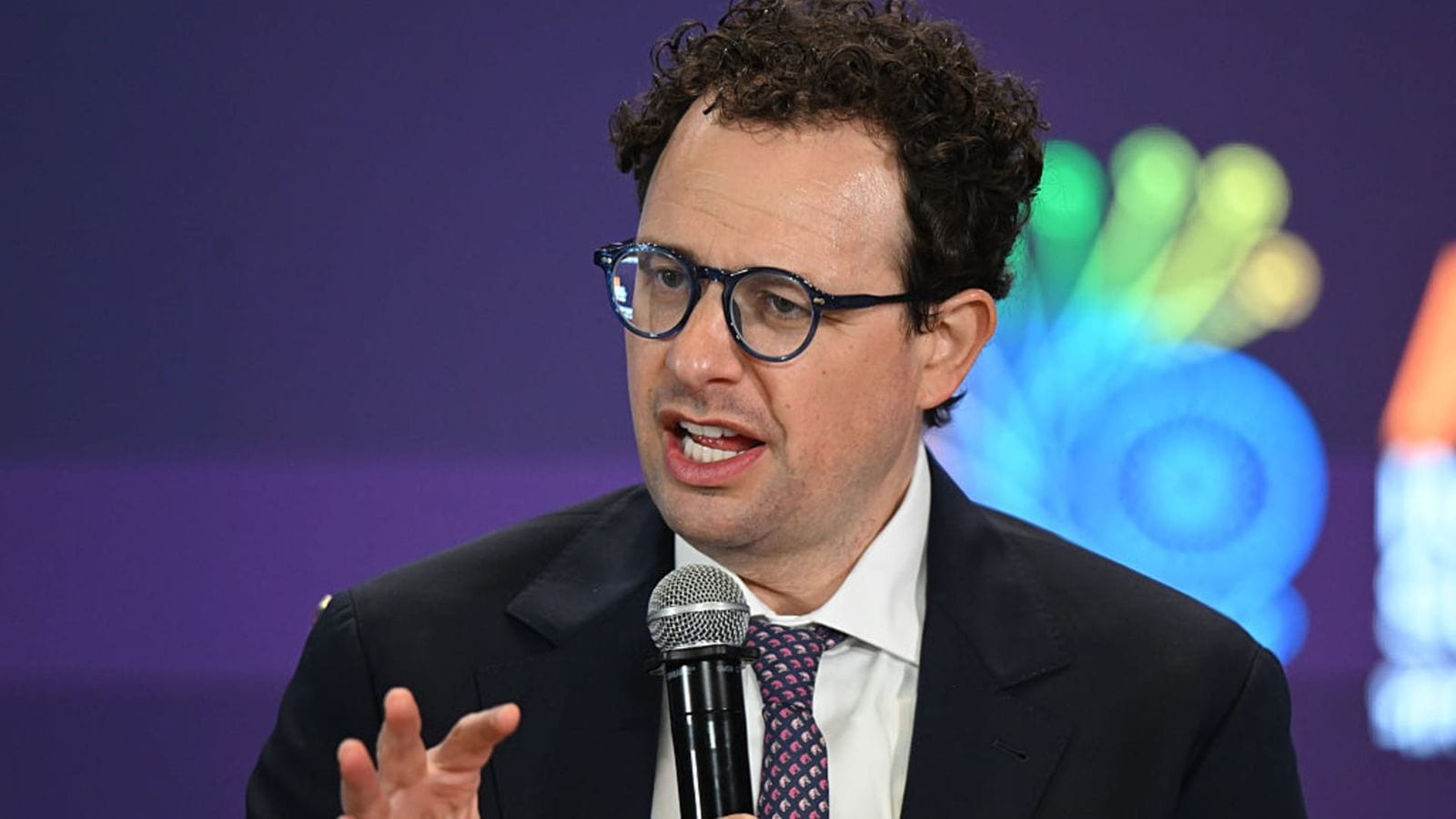
What is California's new deal with Anthropic?
California signed a first-of-its-kind partnership with Anthropic on June 29, 2026. The agreement gives every state agency access to Claude — Anthropic's AI productivity assistant — at a 50% discounted price. Free workforce training is included in the deal.
Claude is the first AI productivity tool made available to all state agencies, as well as cities and counties across California. Governor Gavin Newsom announced the partnership in Sacramento, according to goldrushcam.com.
Newsom framed the deal in plain terms: "This partnership is about using technology the California way: responsibly, transparently, and in service of people. AI should not replace the human work of government; it should help our workers move faster, solve problems more effectively, and deliver better results for Californians."
Who is Anthropic, and why does it matter here?
Anthropic is a California-based AI company and the maker of Claude. The company has been at the center of California's AI policy debates. Earlier in 2026, the U.S. Department of Defense designated Anthropic a supply-chain risk, which effectively barred the startup from competing for certain military contracts and subcontracts. A judge later issued a temporary injunction to block that designation.
Newsom responded in March 2026 with an executive order stating that if the federal government labels a business a supply-chain risk, California will review that designation and make its own decision about whether to do business with them. CalMatters reported that the order followed a dispute between Anthropic and the Defense Department over contract terms barring the military from using Anthropic systems for domestic mass surveillance and fully autonomous weaponry.
For more on Anthropic's recent activity, see our coverage of the Anthropic Alibaba distillation dispute and Claude paid user growth in 2026.
What executive orders has Newsom signed on AI?
Here's what we know so far: Newsom has signed multiple executive orders on AI across three years, each building on the last.
| Date | Action |
|---|---|
| September 2023 | First state executive order on Generative AI — called for responsible adoption and risk study |
| March 2026 | Executive order on AI procurement — added civil rights and privacy guardrails, pushed back on federal supply-chain designation of Anthropic |
| May 21, 2026 | First-in-the-nation executive order on AI workforce disruption — directed agencies to track layoffs, expand training, and explore worker ownership models |
| June 29, 2026 | Partnership with Anthropic announced — Claude available to all state agencies at 50% discount with free training |
The May 2026 workforce order directed state agencies to produce a new dashboard showing AI's impact across sectors, issue WARN Act revision recommendations within 180 days, and create a single online platform to help Californians find government services they qualify for.
You might also like


What does the May 2026 workforce executive order require?
The May 21, 2026 order — described by Newsom's office as first-in-the-nation — directed California to prepare workers, small businesses, and communities for AI-driven economic disruption. The full order is available on gov.ca.gov.
Key directives include:
- Track workforce impact: A new report on early economic warning signals, drafted with labor, industry, and academic experts; a new dashboard showing AI's impact across sectors; and new business feedback on technology's role in workforce decisions added to the state's monthly jobs report.
- Respond to disruption: Review severance policies, increase enrollment in employment insurance programs, create an AI playbook to modernize job training, and build a single online platform for Californians to find government services.
- Share productivity gains: Evaluate worker ownership models, support small businesses with AI best practices, and add more on-the-job AI training in higher education.
Newsom said at the signing: "California has never sat back and watched as the future happened to us — and we won't start now."
How does California's approach compare to the federal government's?
California and the federal government are moving in opposite directions on AI policy. Newsom's office stated that President Trump and Republicans in Washington have rolled back protections or ignored the ways AI can harm people.
At the federal level, Trump signed executive orders to discourage states from regulating AI and urged federal agencies to adopt AI to reduce federal regulation. The White House introduced an AI policy framework in March 2026 that takes a light-touch approach to regulation and does not address bias, discrimination, or civil rights.
California, by contrast, leads the nation in volume of AI regulations. The state is home to 33 of the top 50 private AI companies in the world, according to the governor's office. California also passed the Transparency in Frontier Technology Act (Senate Bill 53), the first state legislation of its kind nationwide, which has since been replicated in other states.
This broader AI policy context is also shaping how AI standards bodies are forming globally — see our coverage of the Linux Foundation Appia AI standards initiative.
What other AI tools is California already using?
Before the Anthropic deal, more than 20 California departments and agencies were already working to develop or use Poppy, a generative AI assistant for state employees. Half a dozen state agencies were also testing AI to assist employees and help homeless people and businesses. State courts and city governments have been increasing their use of AI as well.
The Anthropic partnership makes Claude the first AI productivity tool formally available to all state agencies, cities, and counties — not just select departments.
For context on how other AI companies are scaling their government and enterprise reach, see our reporting on DeepSeek's $7.4B raise and Tencent WeCom's DeepSeek agent launch.
The most immediate confirmed next step: state agencies may now access Claude at the 50% discounted price under the new agreement, with free workforce training included as part of the partnership announced June 29, 2026.
Frequently asked questions
What did California agree to with Anthropic on June 29, 2026? California entered a first-of-its-kind partnership with Anthropic, the California-based AI company behind Claude. Under the agreement, state agencies, cities, and counties may access Claude — Anthropic's AI productivity assistant — at a 50% discounted price. The deal also includes free workforce training for state employees and builds on a series of executive orders Newsom has signed on AI adoption and safety.
What is Claude, and what will California use it for? Claude is an AI productivity assistant made by Anthropic. Under California's new partnership, it becomes the first AI productivity tool available to all state agencies, as well as cities and counties. The stated goals are to improve government services, expand state workforce training, and make services more user-friendly and efficient for Californians.
What did Newsom's May 2026 AI workforce executive order require? Signed on May 21, 2026, the order directed state agencies to track AI's impact on jobs through a new dashboard and monthly jobs report data, review severance and employment insurance policies, create an AI job-training playbook, and issue recommendations on updating California's WARN Act within 180 days. It also called for evaluating worker ownership models to help workers share in AI productivity gains.
Why did California push back on the federal government's treatment of Anthropic? The U.S. Department of Defense designated Anthropic a supply-chain risk, effectively barring it from certain military contracts. Newsom signed a March 2026 executive order stating California would review any such federal designation and make its own procurement decision. The dispute stemmed from Anthropic's contract terms barring military use of its systems for domestic mass surveillance and fully autonomous weaponry.
How many top AI companies are based in California? According to the governor's office, 33 of the top 50 private AI companies in the world are based in California. The state also leads the nation in volume of AI regulations, and it passed the Transparency in Frontier Technology Act — the first state AI transparency law of its kind in the US — which has since been replicated in other states.

0 Comments
Log in to comment
Not a member yet? Join the community
Pick a meme
KlipyHave a great take?
Drop your email — we'll send a magic link so you can post it. No password.
Not a member of the community? Join today.
Join the community →