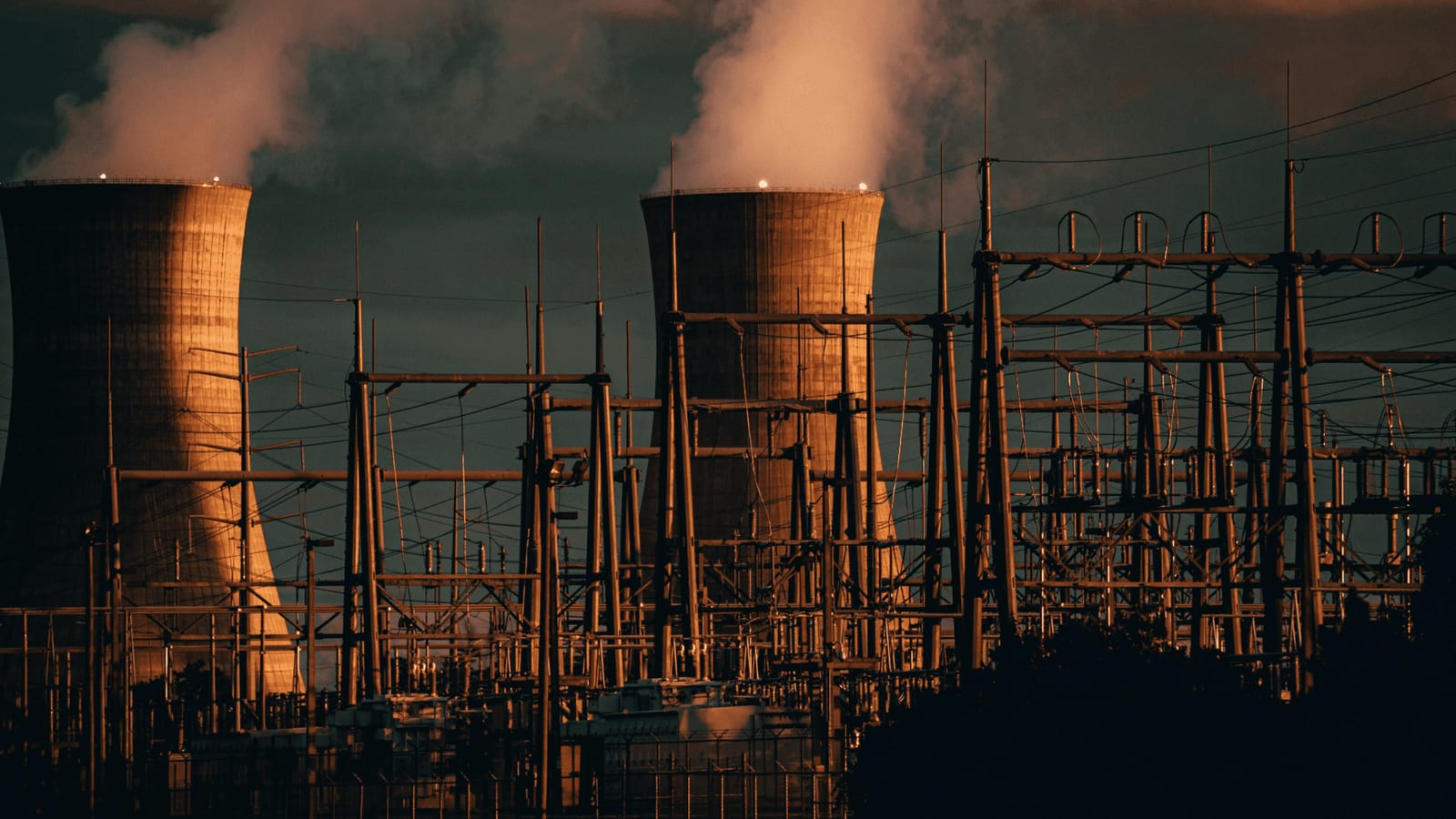
What's driving the surge in data center electricity demand?
Data centers are consuming a growing share of U.S. electricity, and the pace is accelerating. According to ANS Nuclear Newswire, the domestic data center electricity load is projected to grow from 4% to 9% of total U.S. electricity consumption by 2030. That shift is already affecting utility planning and grid interconnection queues nationwide.
The rapid expansion of artificial intelligence is a key factor behind this growth, alongside broader digital infrastructure demands.
Why does nuclear fit data center requirements?
Modern hyperscale data center campuses — large-scale facilities housing IT equipment and cooling systems — can require hundreds of megawatts of power and demand maximum uptime. Nuclear plants provide reliable, 24/7 electricity with stable long-term costs, which aligns directly with those operational needs.
You might also like
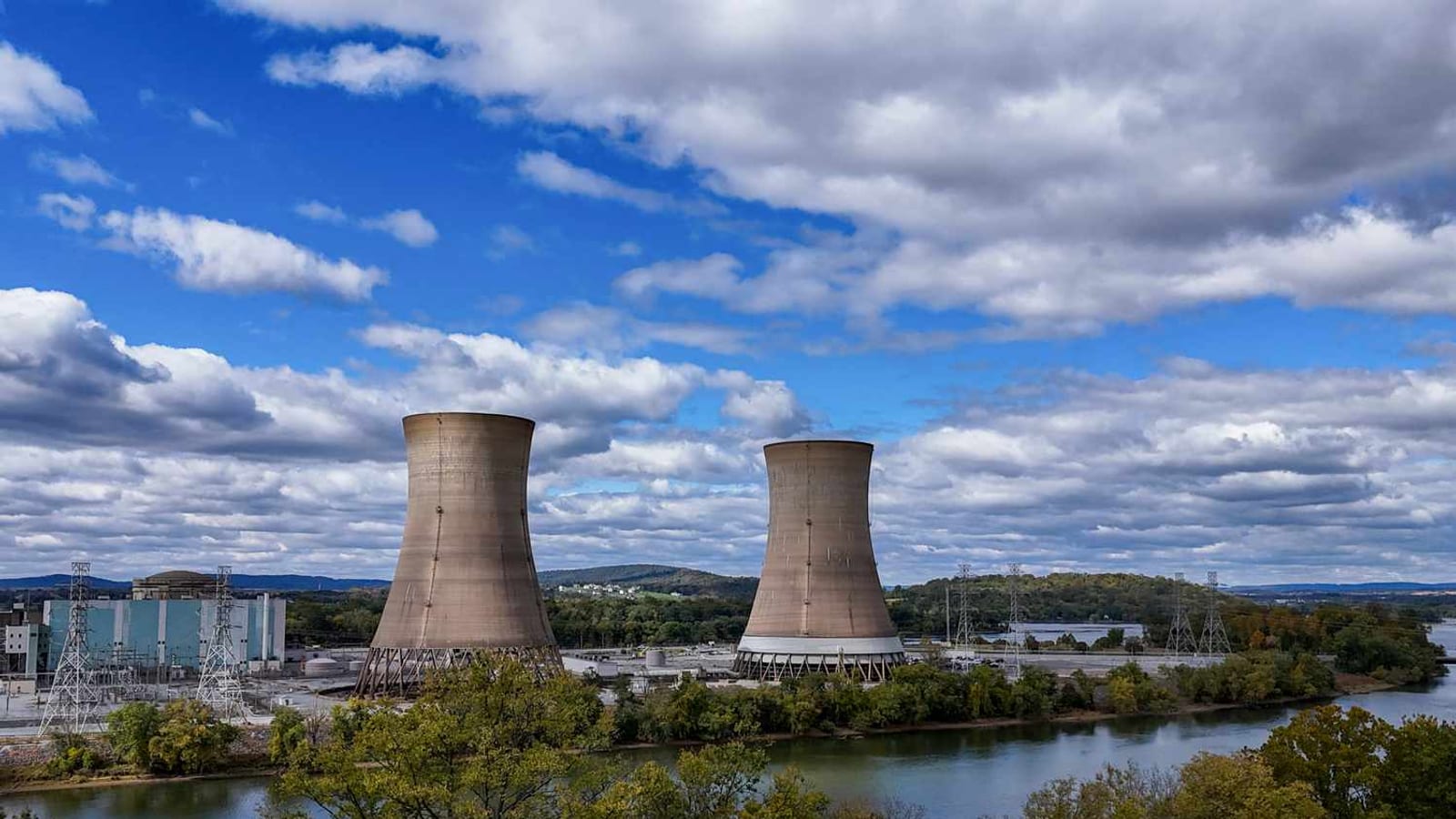


Leading hyperscalers also carry aggressive decarbonization commitments that rule out heavy reliance on fossil fuel generation. Nuclear generation addresses that constraint while also reducing exposure to fuel-price volatility and transmission constraints, as reported by ANS Nuclear Newswire.
What else do data centers need beyond power?
Power alone isn't the full picture. Data centers also require fiber connectivity, a skilled local workforce, and community acceptance. On the other side of that equation, they can deliver meaningful tax base contributions and employment impacts — particularly when paired with a major energy project.
Nuclear power plants can meet the core energy requirements while addressing the broader siting and economic considerations that come with large data center deployments.
Frequently asked questions
Q: How much of U.S. electricity do data centers currently use, and where is that headed? A: Data centers currently account for approximately 4% of U.S. electricity consumption. That figure is projected to reach 9% by 2030.
Q: Why is nuclear energy considered a strong match for data centers? A: Nuclear provides 24/7 reliable electricity with stable long-term costs, reduces exposure to fuel-price volatility, and supports decarbonization goals — all of which align with hyperscale data center requirements for uptime and clean energy commitments.
The most concrete confirmed figure from this reporting: U.S. data center electricity load is projected to nearly double — from 4% to 9% of national consumption — by 2030.


0 Comments
Log in to comment
Not a member yet? Join the community
Pick a meme
KlipyHave a great take?
Drop your email — we'll send a magic link so you can post it. No password.
Not a member of the community? Join today.
Join the community →